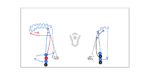
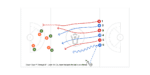
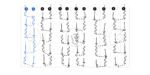
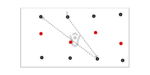
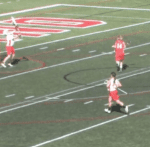
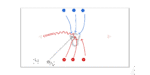
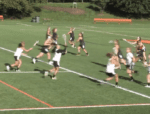
The U14 Girls’ Competitive Development Curriculum helps players bridge the transition from Train to Train toward Train to Compete by combining sharper execution with greater tactical awareness and independence. Across 20 practices, the season progresses through three developmental cycles—Precision & Pace, Create & Manipulate, and Compete & Adapt. Players refine stick skills at speed, purposeful dodging, quick ball movement, defensive footwork, and transition recognition before exploring how deception, two-player actions, and well-timed off-ball movement create advantages. Picks, slips, exchanges, and attacks from behind the goal encourage players to draw defensive help, move the ball early, and find opportunities through second and third actions. Coaches guide learning through questions such as How can we make the defense react? Who becomes available when help arrives? Where is the next advantage?
The practice plans and cycles provide a flexible developmental framework, allowing coaches to adjust the challenge while maintaining a connected progression. Early practices emphasize precision and decision-making under realistic pressure, while later cycles challenge players to create opportunities against recovering defenses and adapt when an initial attack is stopped. Competitive scenarios introduce extra-player and player-down situations, pressured clears, end-of-game decisions, and protecting or chasing a one-goal lead. Activities should reflect the girls’ game through purposeful cutting, safe shooting decisions, coordinated defensive help and recovery, and awareness of space around the goal. Coaches can adjust time limits, playing areas, numbers, and scoring conditions to make communication and decision-making increasingly important.
This curriculum is a starting point for programs, directors, and coaches, who should adapt practices to their players’ experience, confidence, and readiness for competition. Team attacking and defensive principles provide shared direction while leaving players room to read situations, solve problems, and take ownership of their choices. Coaches should reward smart team decisions, demand clear communication, and help players respond constructively to mistakes, changing scores, and competitive pressure. The goal is to develop confident, adaptable girls who execute at pace, create advantages together, and compete with composure, leadership, and a deeper understanding of lacrosse.