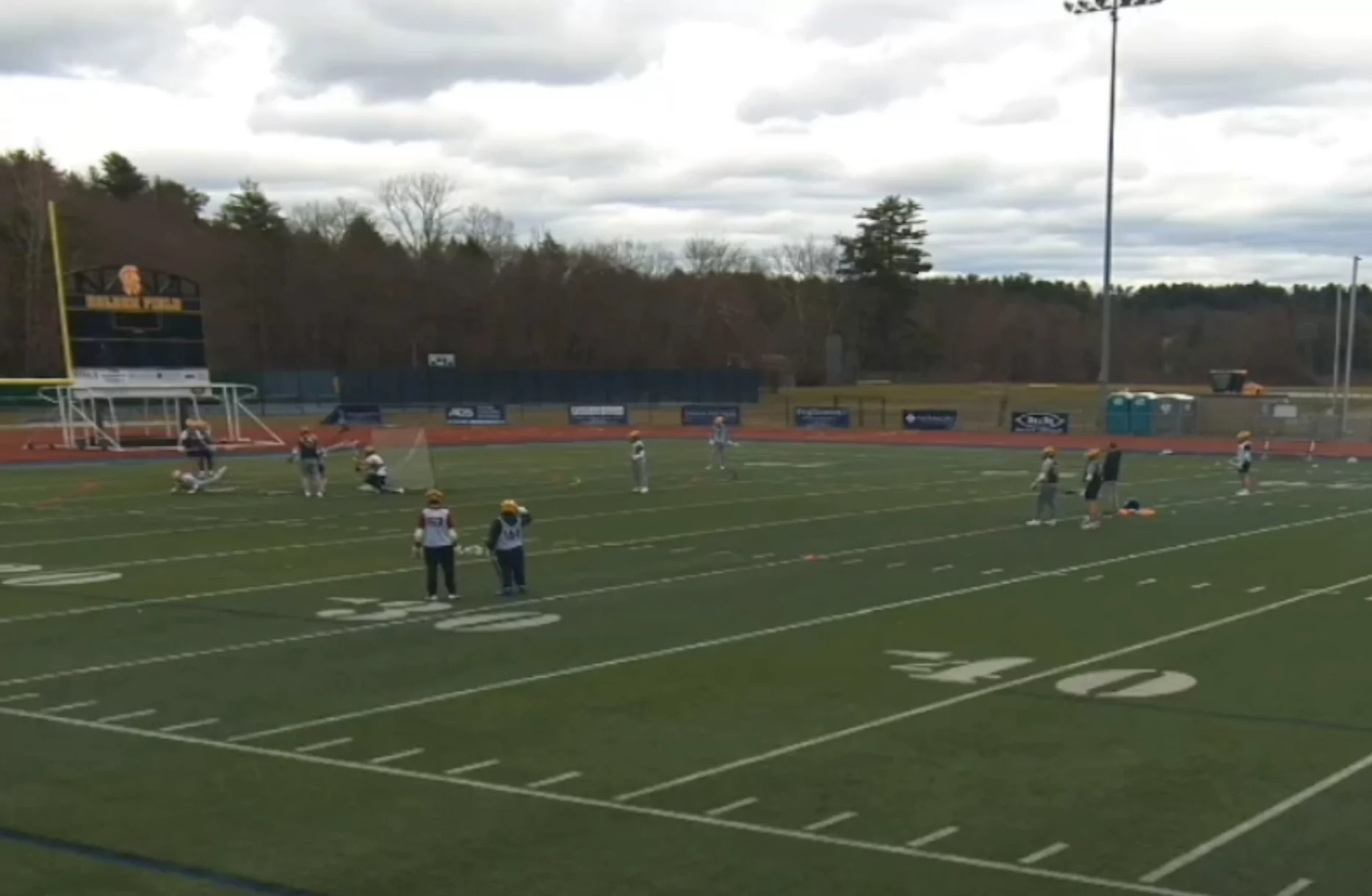
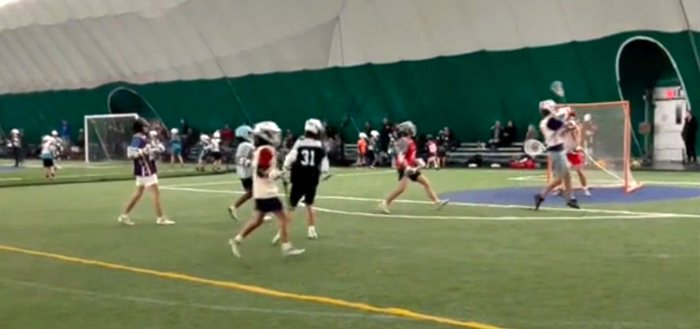
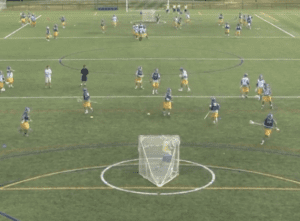
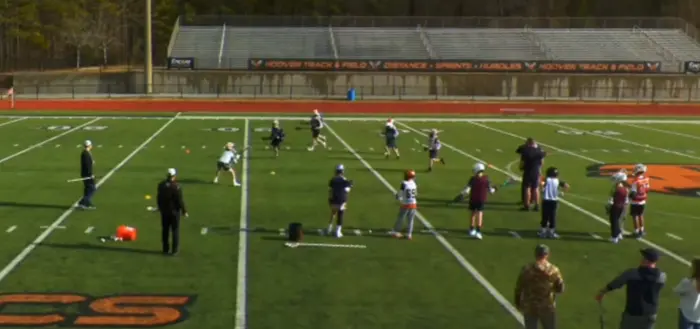
Practicing live play drills is essential for preparing players to react under realistic game conditions. These exercises simulate full-field competition, teaching athletes to make smart decisions, communicate effectively, and maintain proper spacing. By emphasizing anticipation and recognition, players develop sharper situational awareness, improving performance in both settled and transition play.
Live play drills help players transfer skills from isolated drills into real-game scenarios. Athletes improve footwork, stick handling, passing accuracy, and defensive positioning while reacting to dynamic situations. This training also builds endurance, decision-making speed, and teamwork, which are critical for successful offensive and defensive plays.
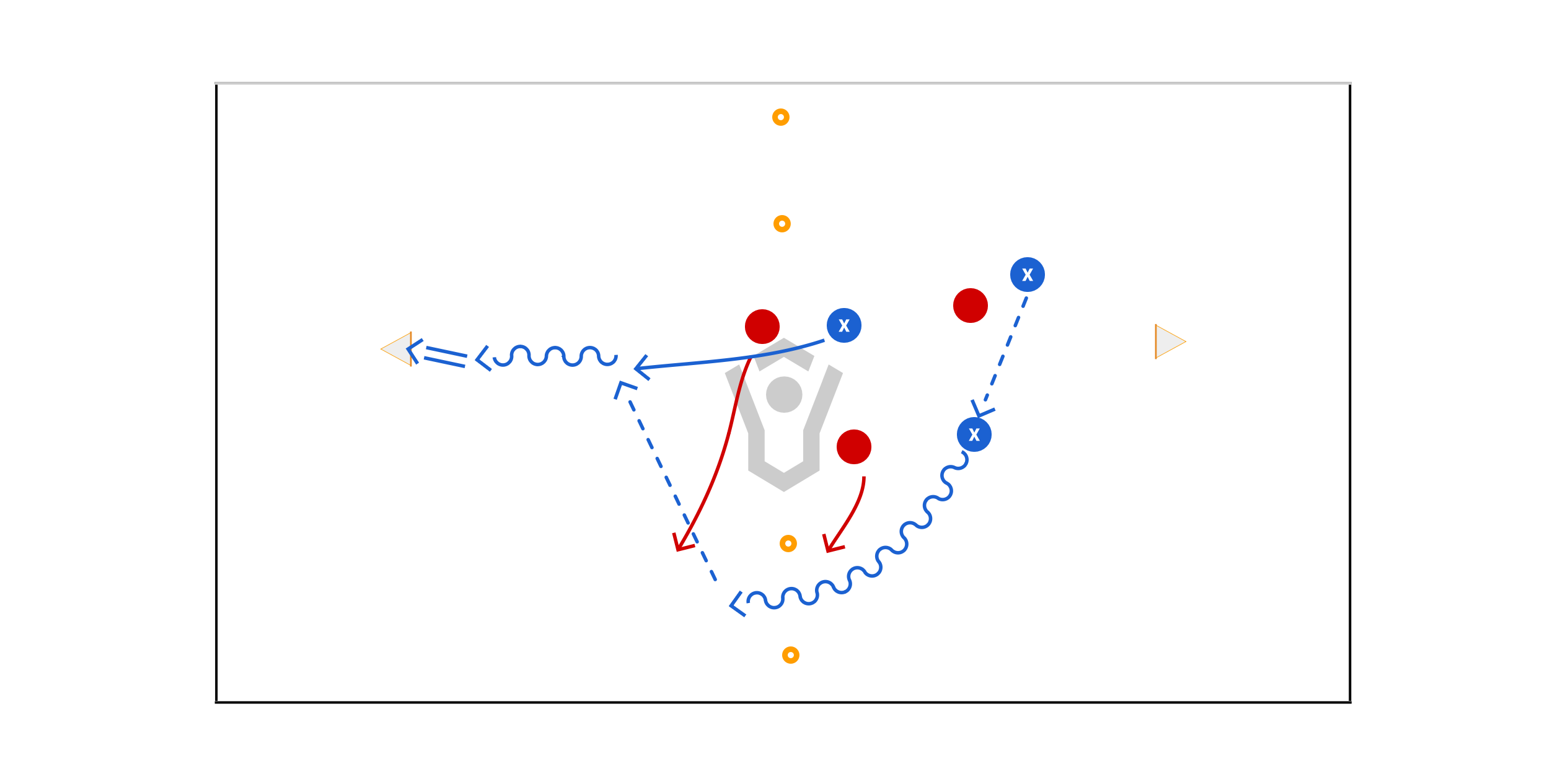
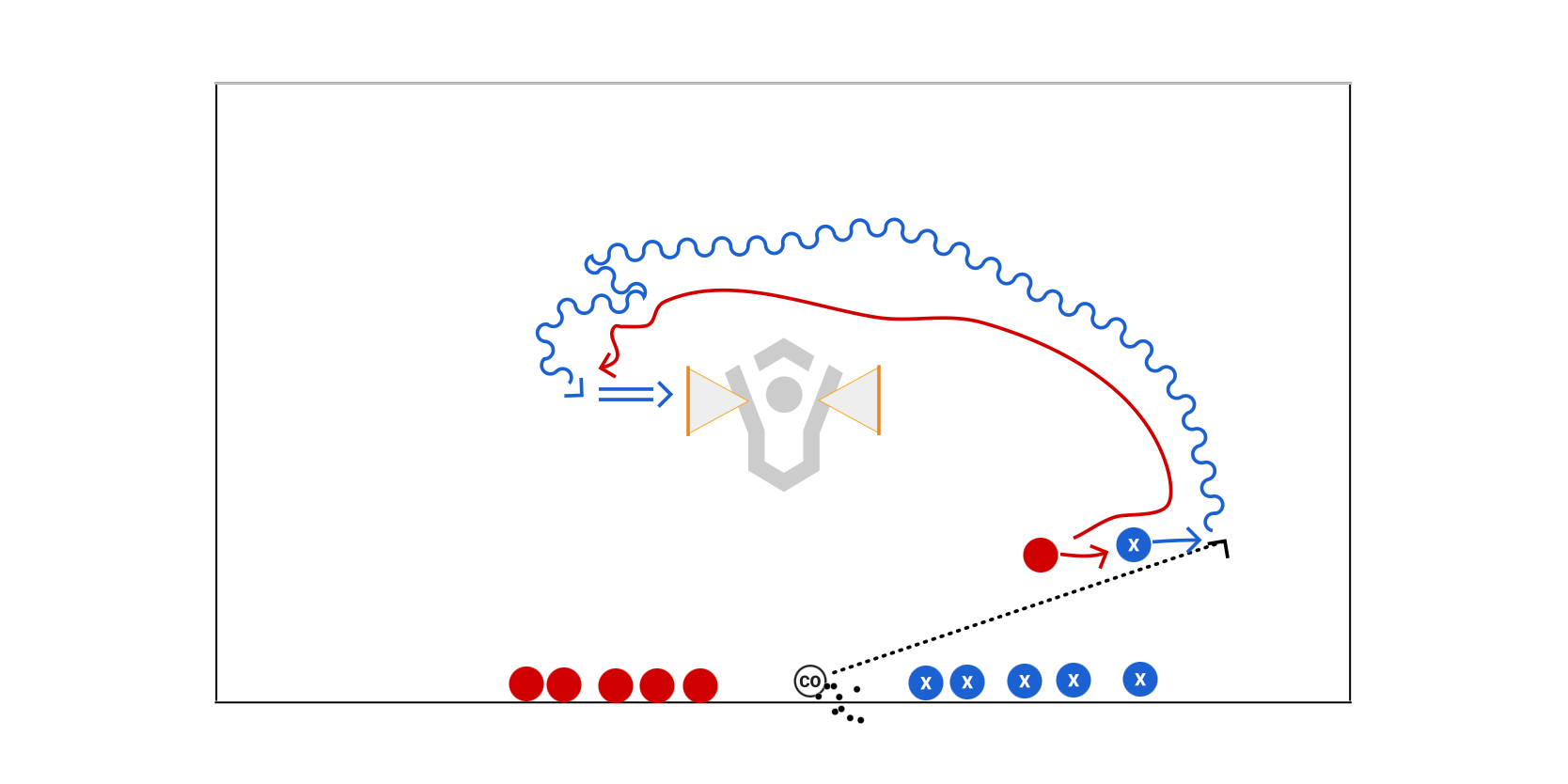
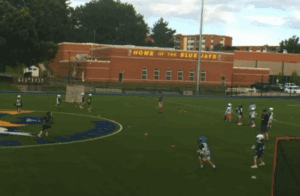
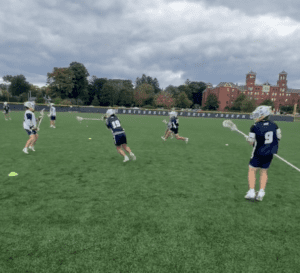
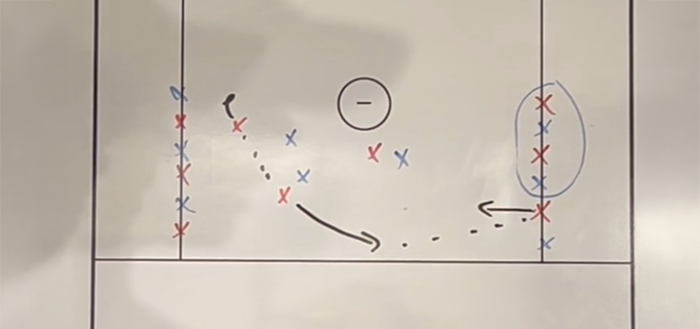
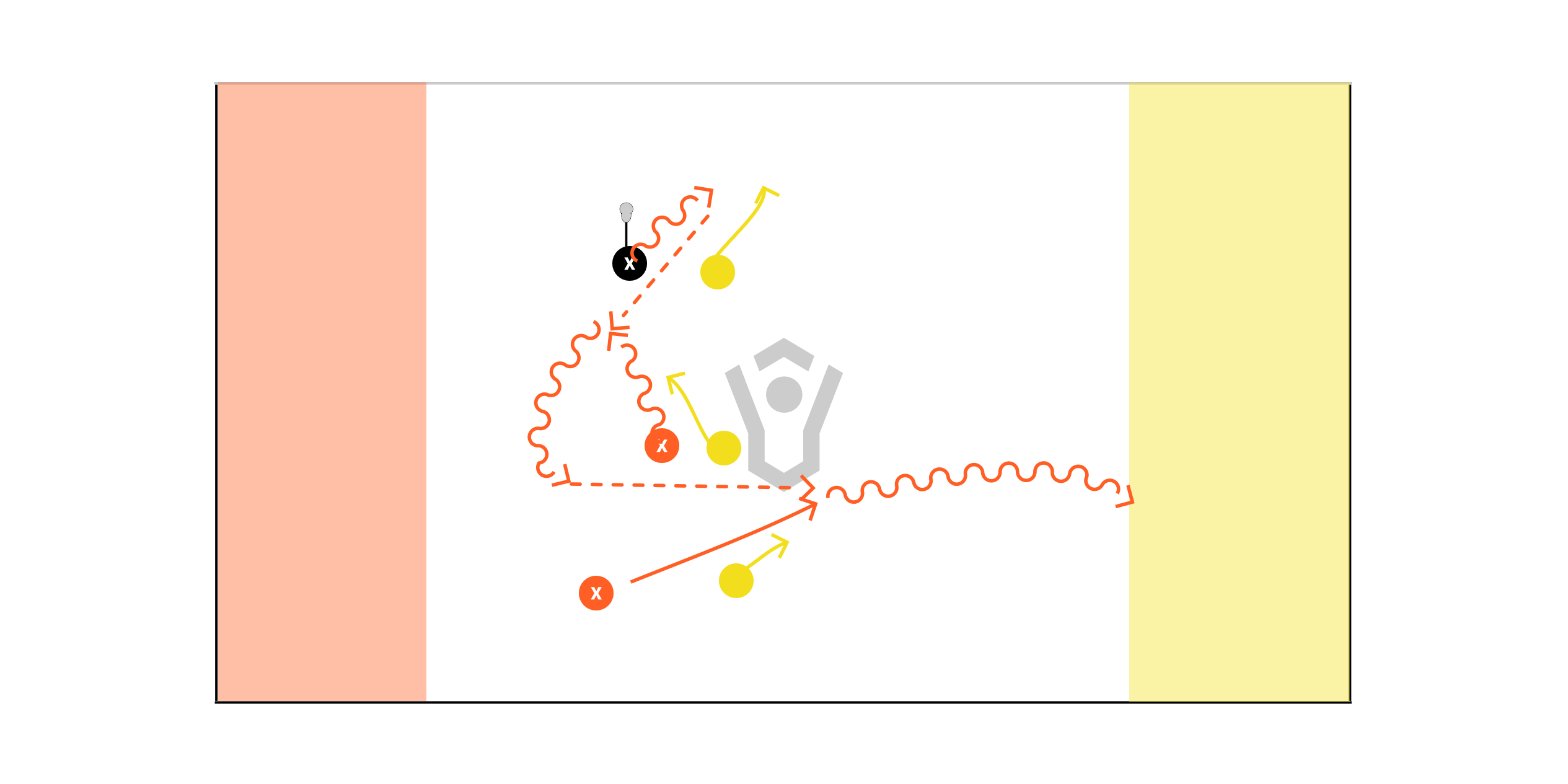
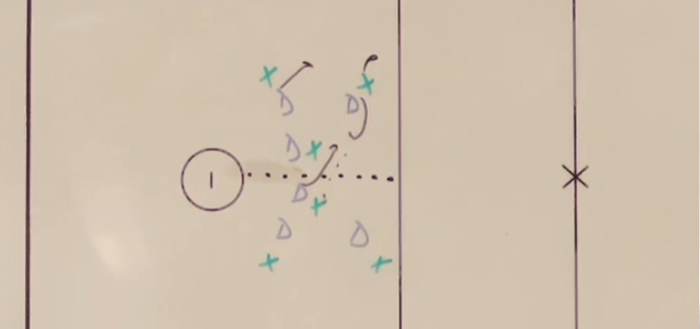
This high-energy drill keeps both teams on their toes as the situation constantly changes. Players work on quick transitions, spacing, and reacting under pressure. The dynamic nature of this game enhances lacrosse IQ and helps athletes make faster decisions during live play.
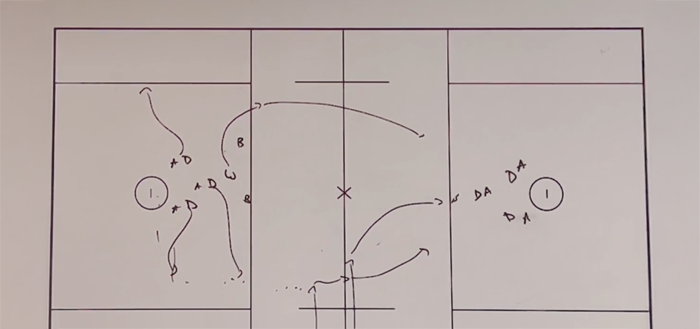
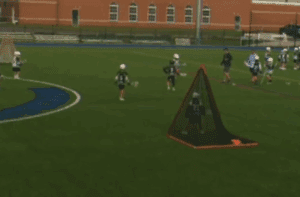
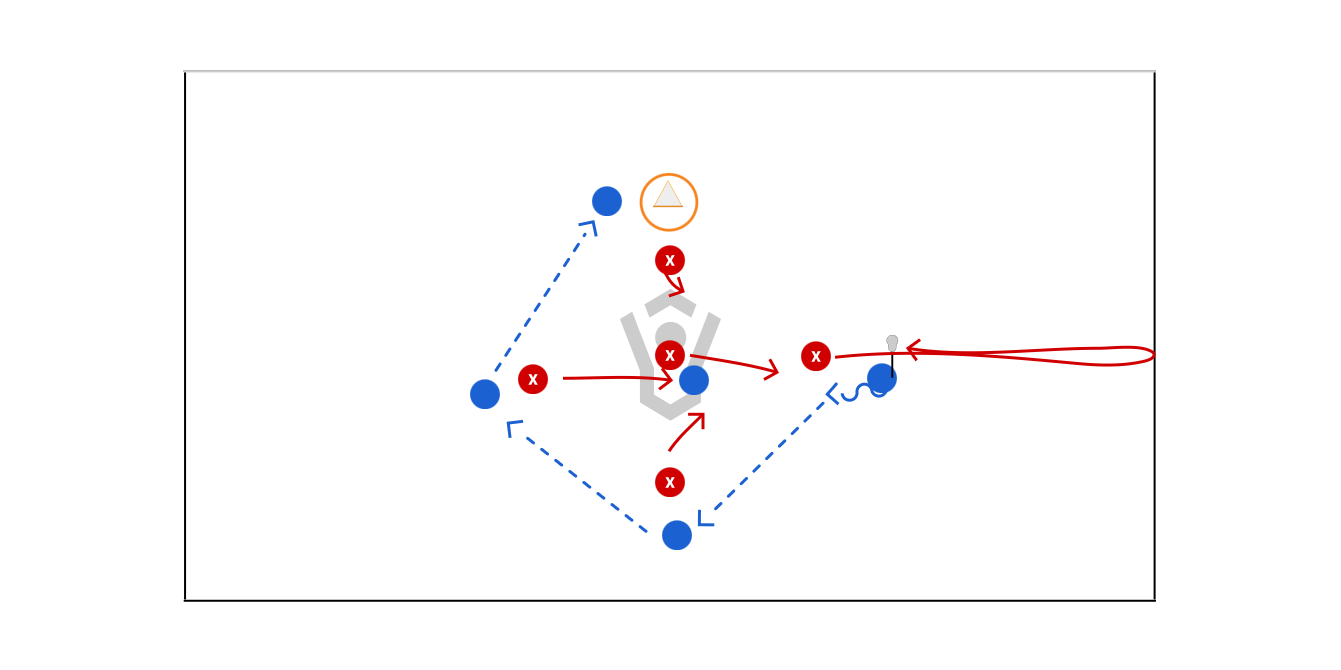
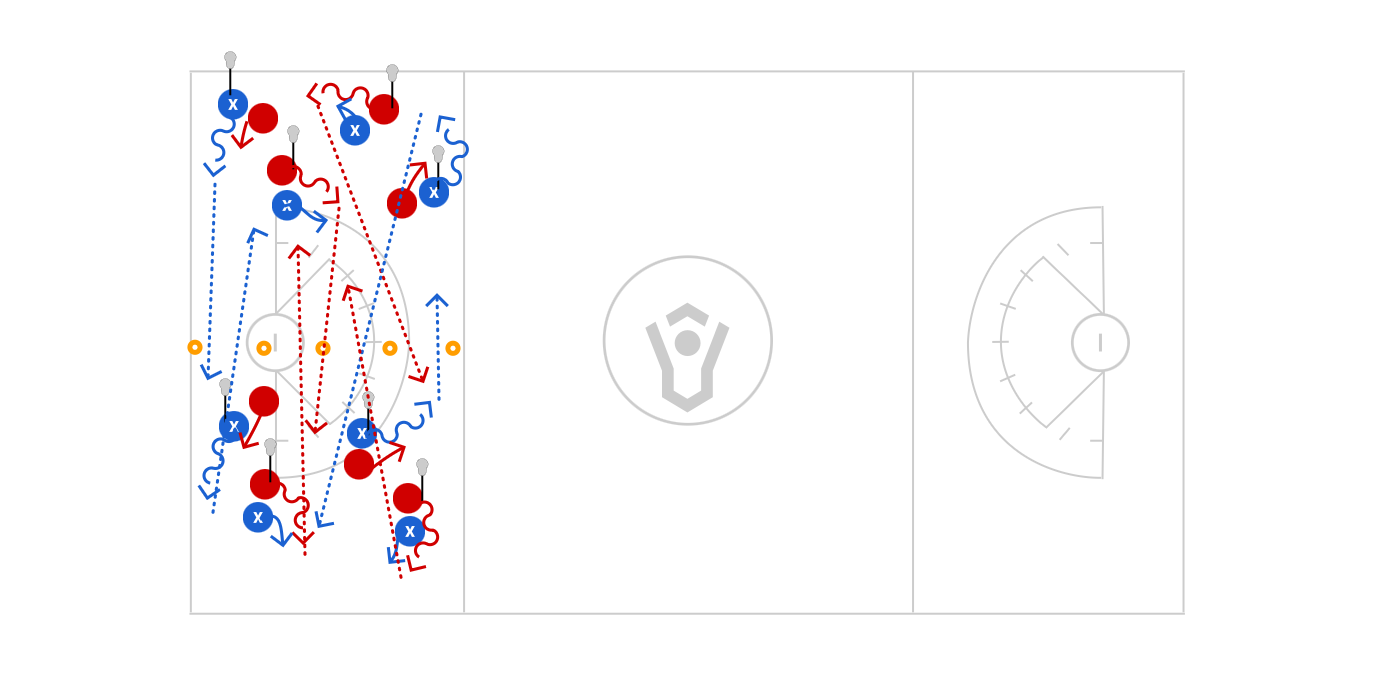
This drill focuses on clearing principles, ball movement, and maintaining spacing during transitions. Players practice moving the ball efficiently from defense to offense while under defensive pressure, improving team coordination and reducing turnovers.
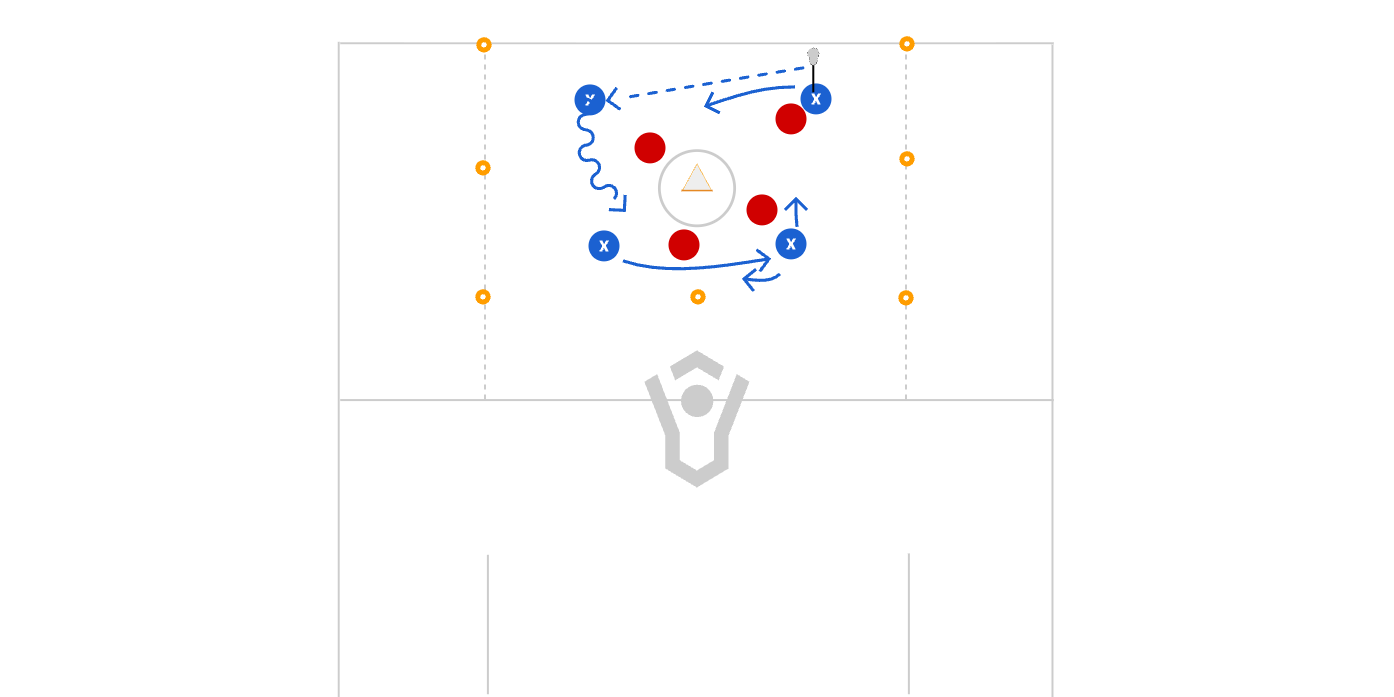
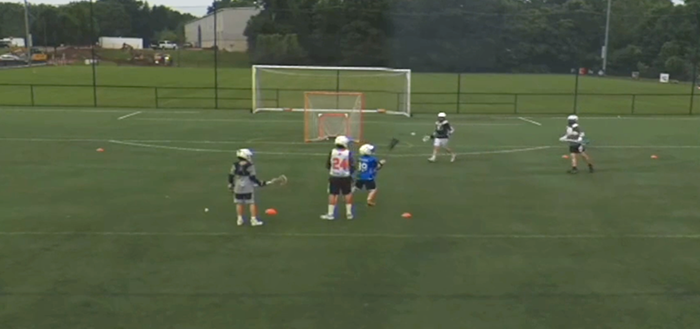
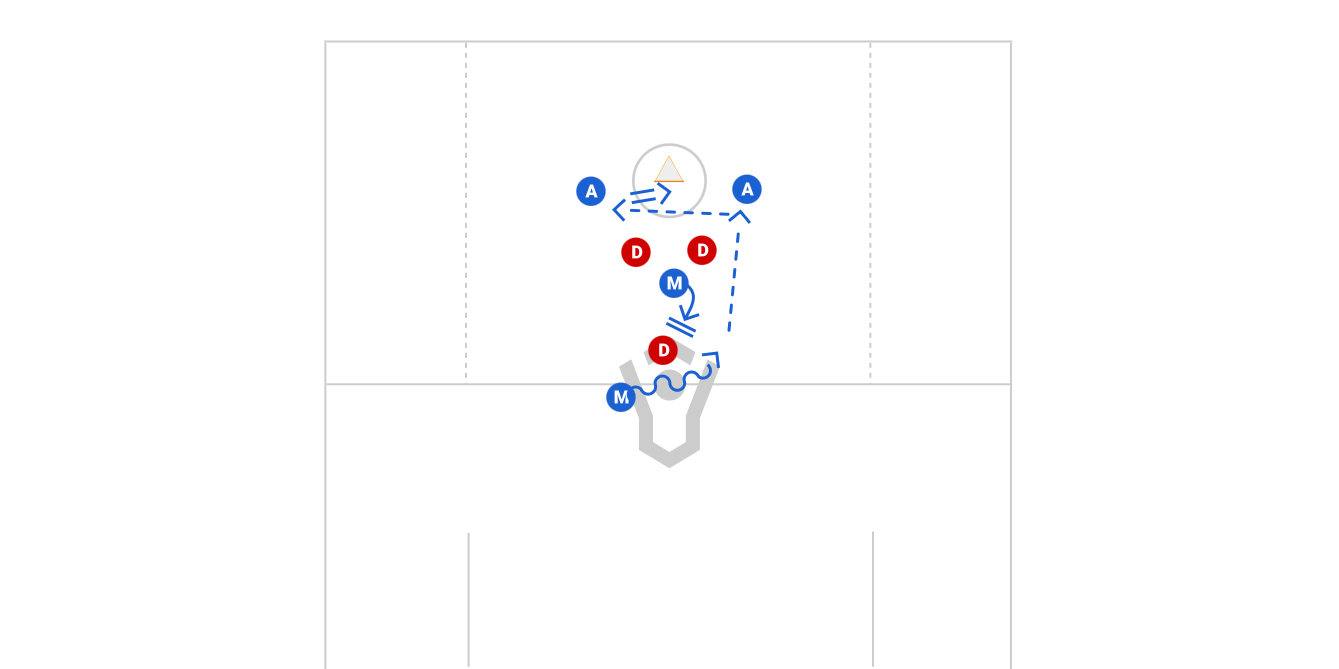
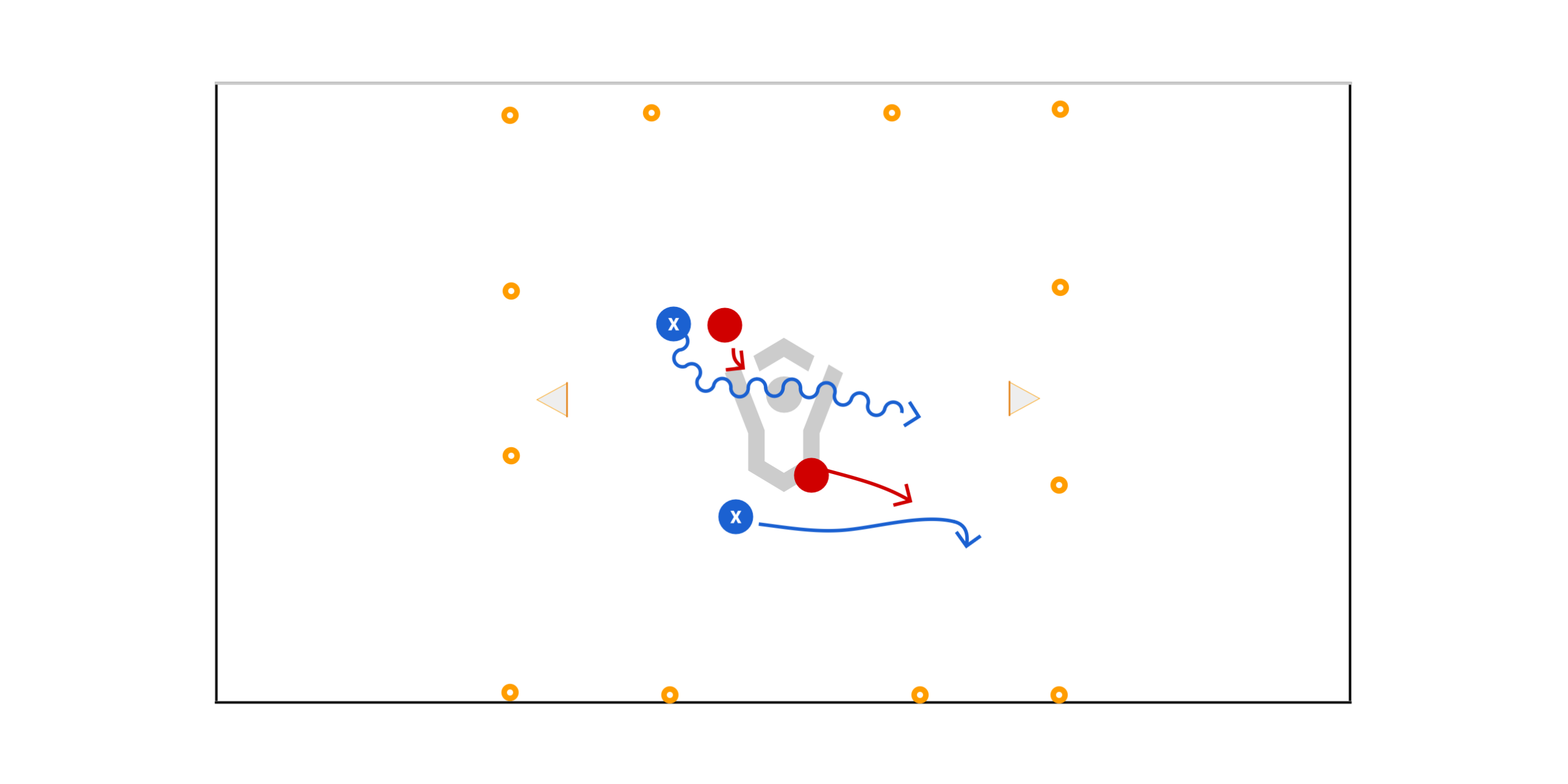
Similar to the full-field Rabbit Game, this small-sided version emphasizes quick decision-making and fast reactions in tighter spaces. Players learn to navigate traffic, find passing lanes, and execute plays in high-pressure scenarios. This drill is especially effective for midfielders and attackers working on off-ball movement and spacing.
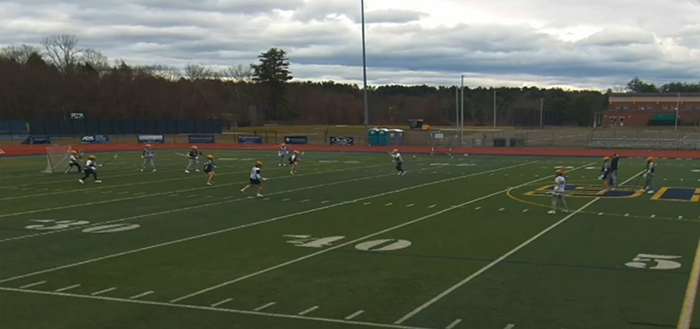
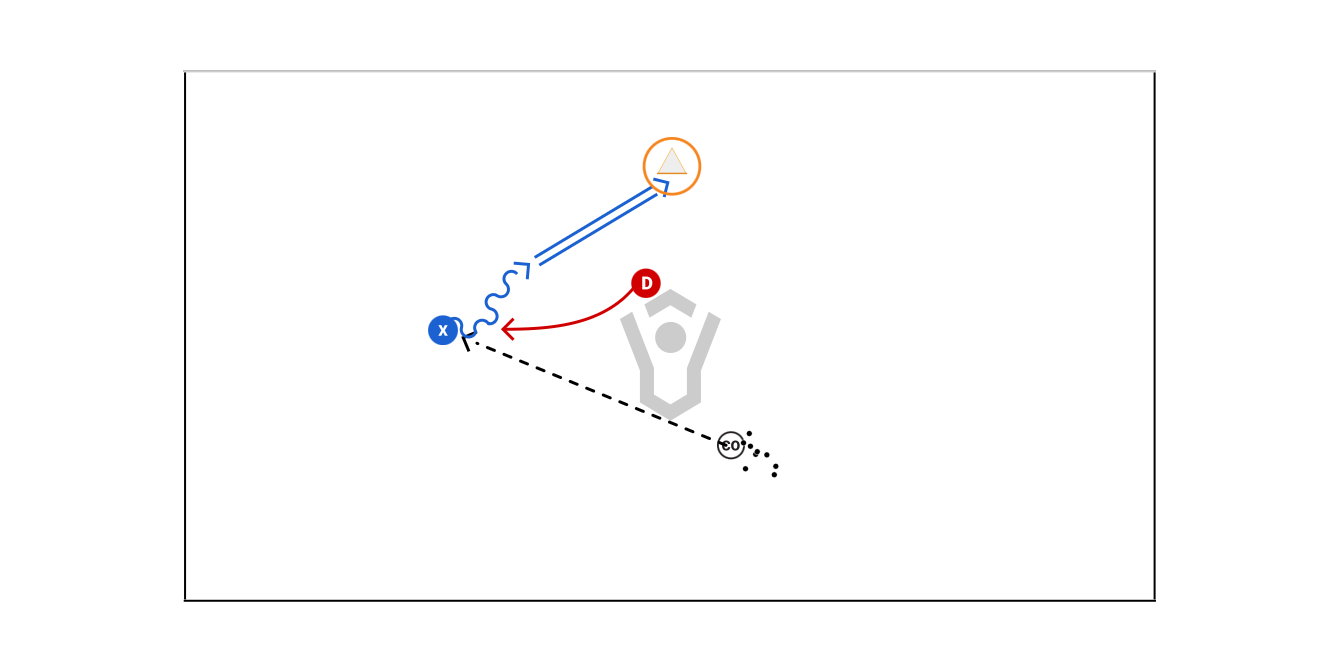
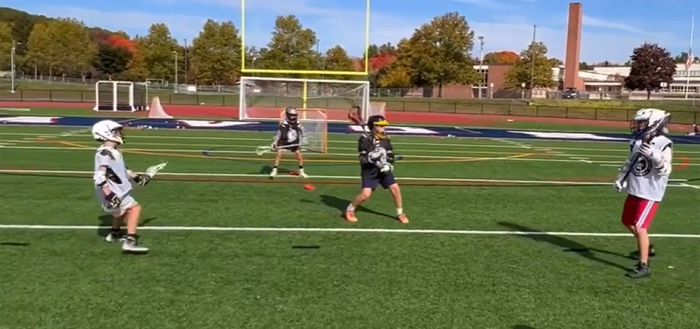
This drill emphasizes retrieving ground balls efficiently while under pressure. Players practice recognition, teamwork, and proper body positioning. Strong ground ball skills improve possession rates and give teams more scoring opportunities in live games.
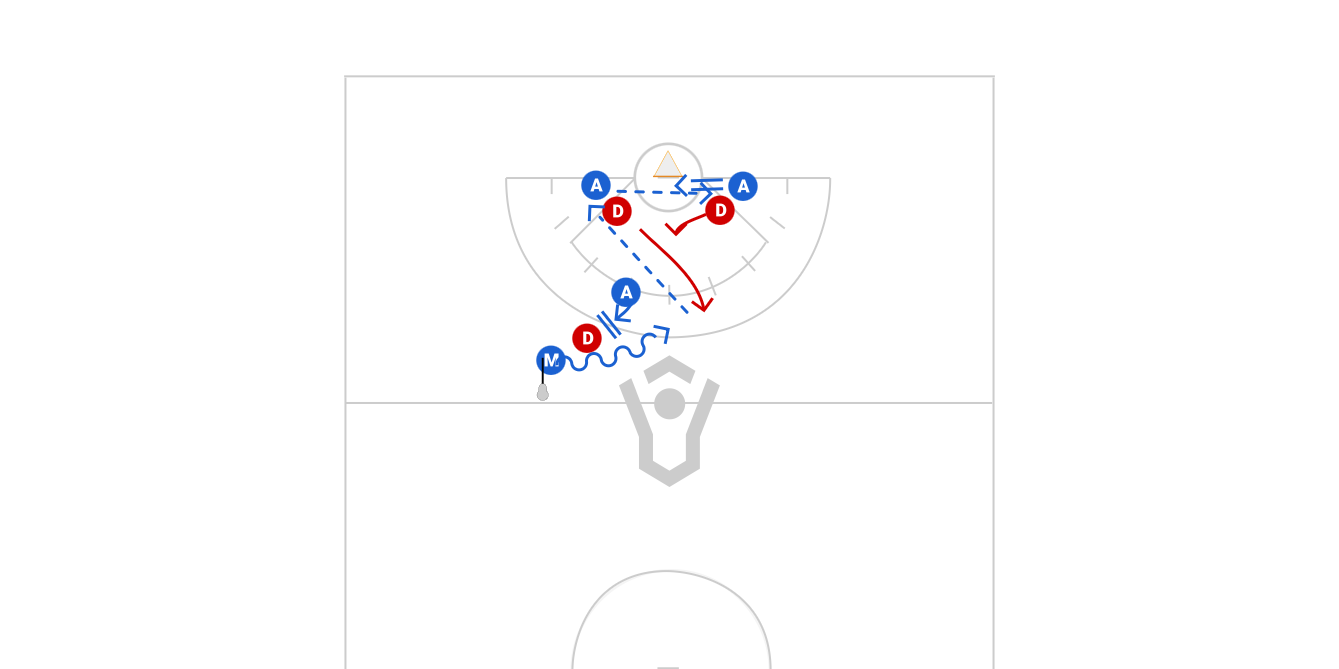
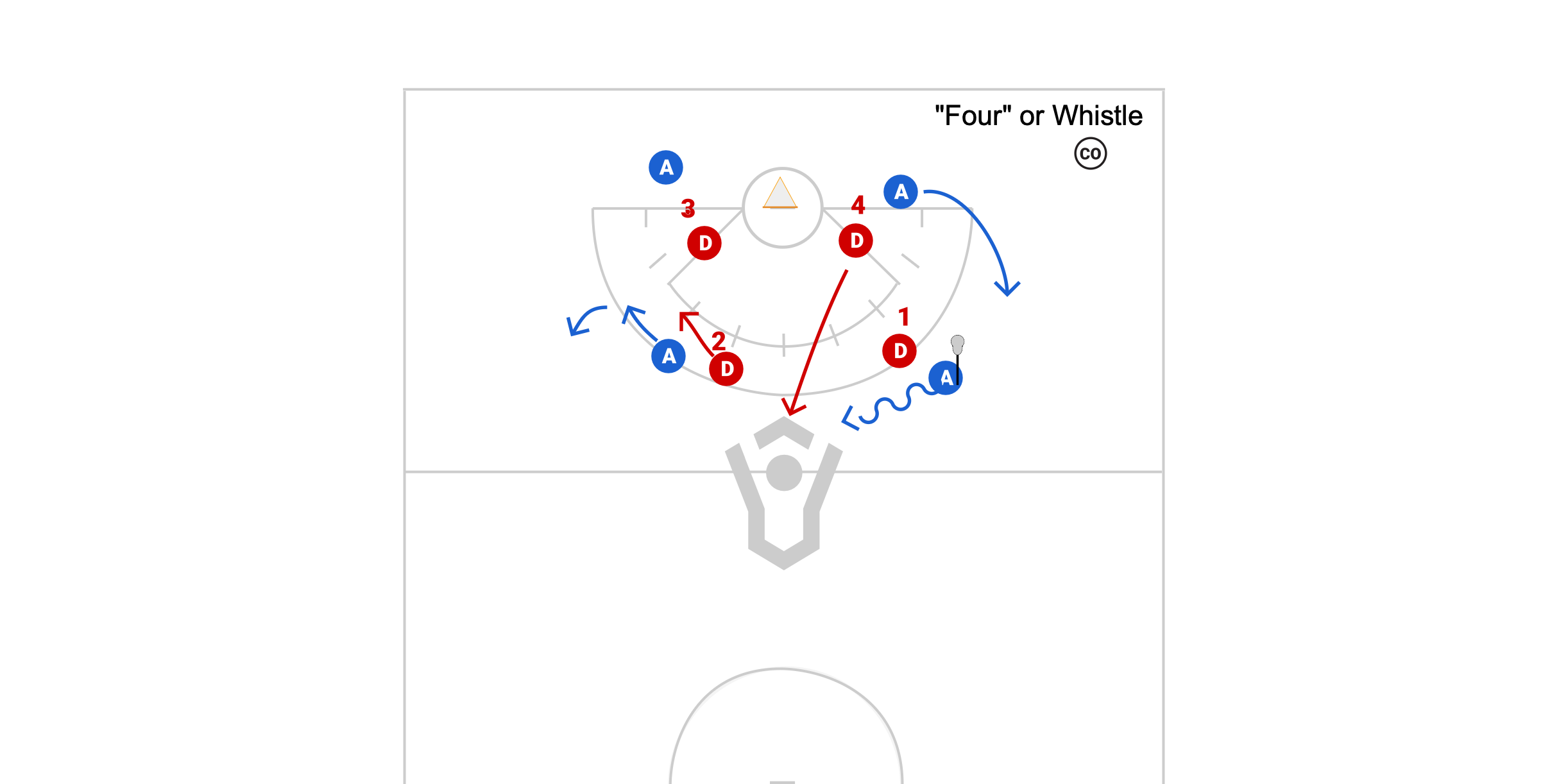
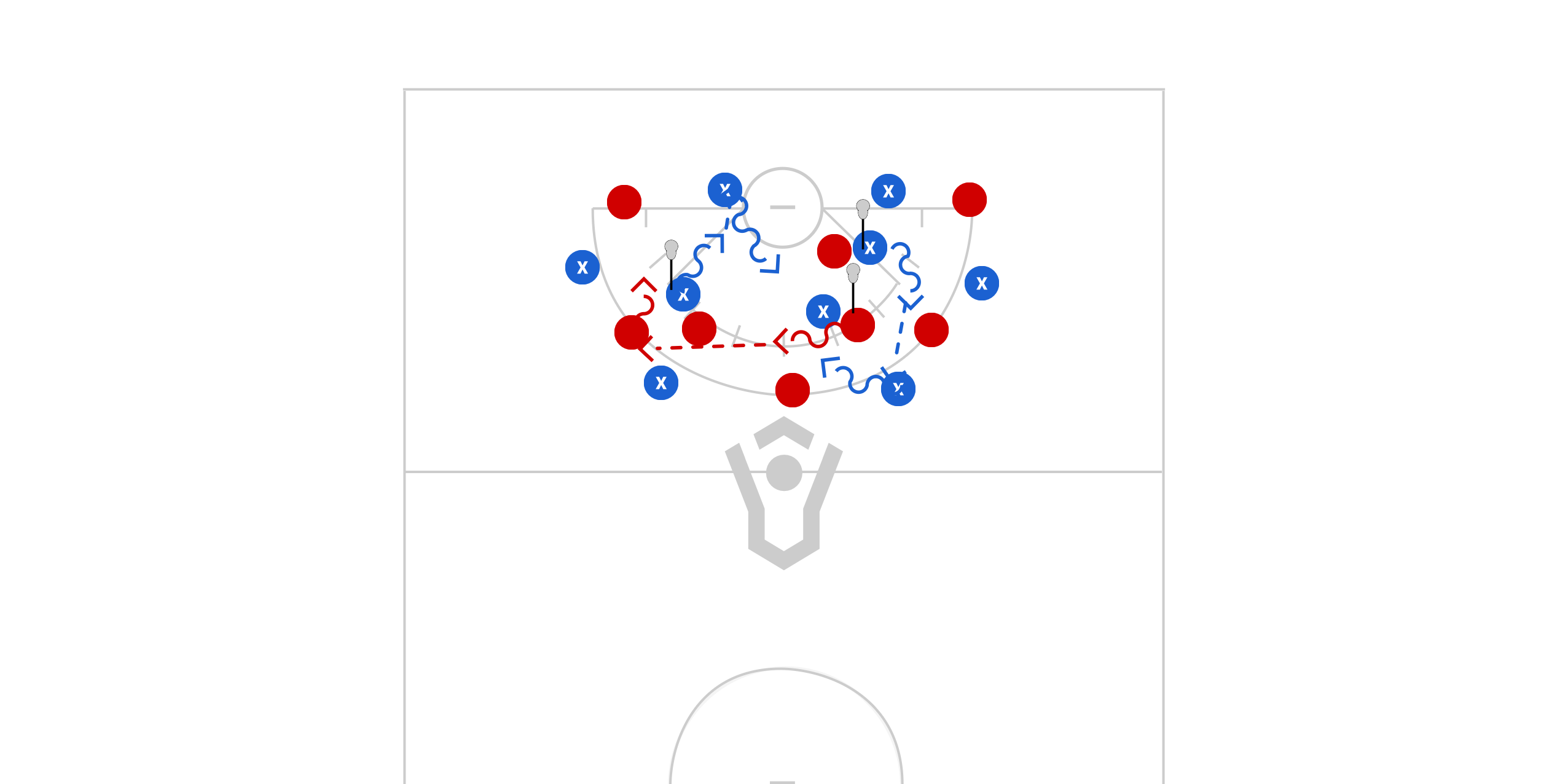
This variation integrates both team defense principles and team offense principles. Players work on rotations, communication, and spacing while under simulated game pressure. Practicing these movements in a live play context helps athletes react instinctively in actual games.
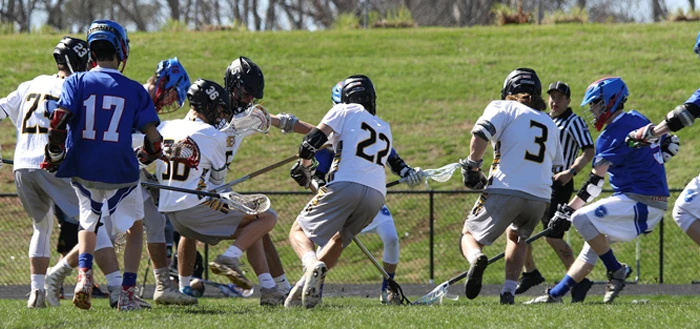
Live play drills bridge the gap between controlled practice and actual competition. Players develop faster decision-making, situational awareness, and better communication. By incorporating communication and anticipation skills, teams reduce turnovers, improve scoring efficiency, and strengthen defensive cohesion.
These drills also prepare athletes for physical and mental demands of game situations. Players learn to manage fatigue, maintain spacing, and react to unpredictable defensive strategies. Repetition in live play contexts builds confidence and ensures players execute skills instinctively under pressure.
Coaches can layer live play drills with specific positional exercises. Attackers can practice spacing and dodging under pressure, defenders can focus on rotations and footwork, and goalies can work on reaction times and clearing communication. Advanced players can combine these drills with lacrosse IQ exercises to enhance decision-making speed and awareness on the field.
By integrating live play drills into every practice, athletes strengthen both individual skills and team strategies, ensuring they are ready for competitive game conditions. Players develop sharper instincts, better field vision, and increased confidence in their ability to react effectively in any game scenario.
The Rabbit Game forces players to react to constantly changing situations, improving their ability to read defenders, anticipate passes, and make quick decisions. Practicing this drill consistently enhances both offensive and defensive awareness, preparing players for real-game scenarios. It also builds confidence under pressure.
This drill emphasizes clearing efficiency, spacing, ball movement, and team coordination. Players practice transitioning from defense to offense while avoiding turnovers. It strengthens communication, timing, and awareness of defensive positioning, which are essential for maintaining possession during live play.
The small field format encourages quicker decision-making and rapid adjustments in tight spaces. Midfielders and attackers work on spacing, off-ball movement, and passing under pressure. This drill enhances anticipation, awareness of defenders, and the ability to maintain possession in congested areas.
This drill focuses on proper body positioning, recognition of loose balls, and teamwork in retrieving ground balls. Practicing ground balls under pressure improves an athlete’s ability to maintain possession, create scoring opportunities, and reinforce stick handling skills during live games.
This drill integrates both team offense and defense principles. Players practice rotations, spacing, and communication under game-like pressure. Repeatedly running this drill helps athletes react instinctively to shifting offensive and defensive scenarios, improving overall game performance.
Live play drills simulate real-game situations, forcing players to read defenders, anticipate passes, and adjust to dynamic conditions. Regular practice enhances cognitive processing speed and situational awareness, which allows players to make smarter decisions and reduce errors during competitive matches.
Yes, combining live play drills with positional exercises allows advanced players to refine specialized skills such as dodging, rotations, and goalie reactions under game pressure. Integrating lacrosse IQ training ensures faster decision-making and heightened awareness on the field.