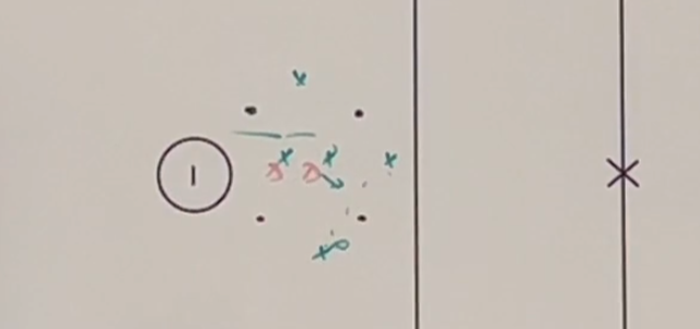
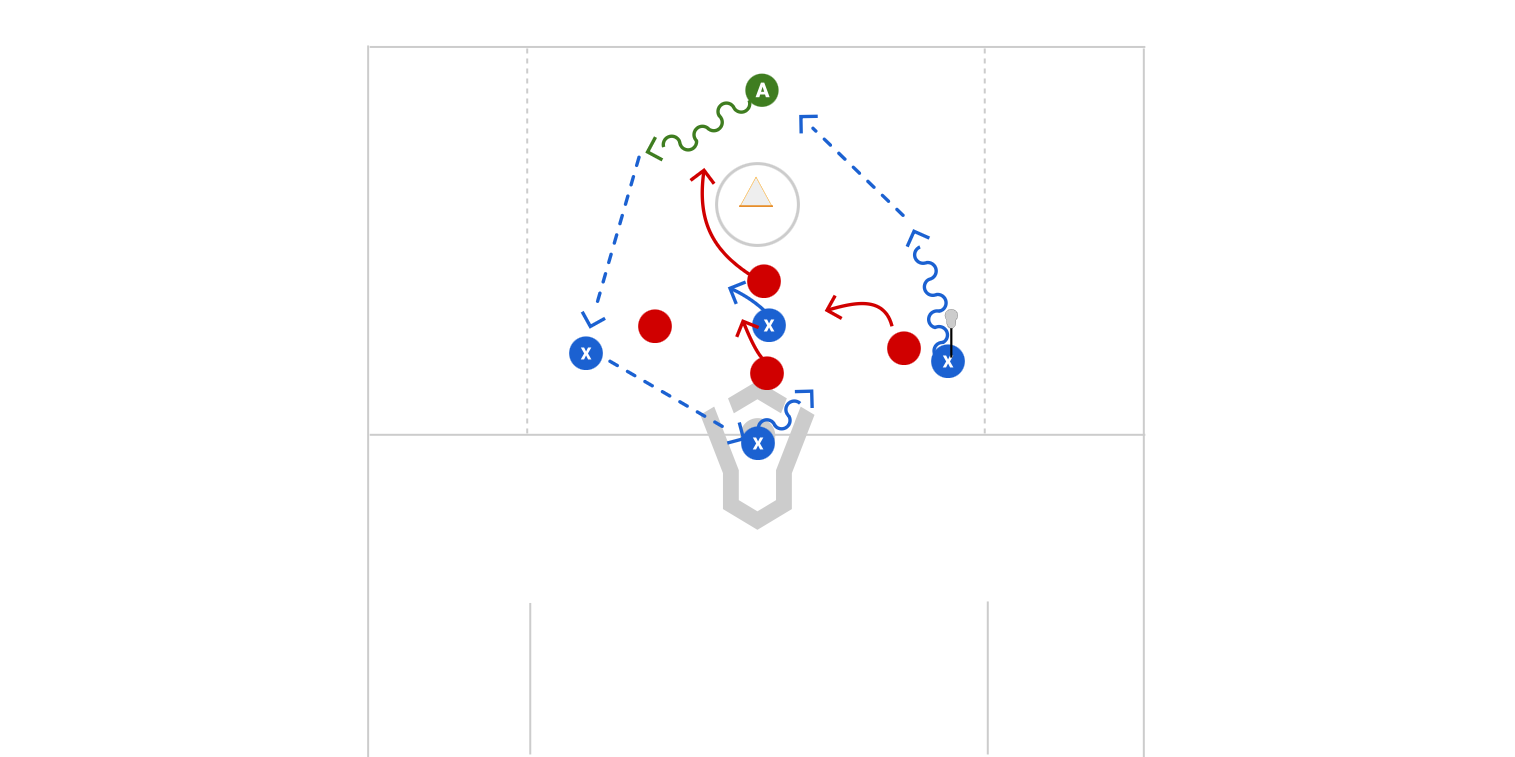
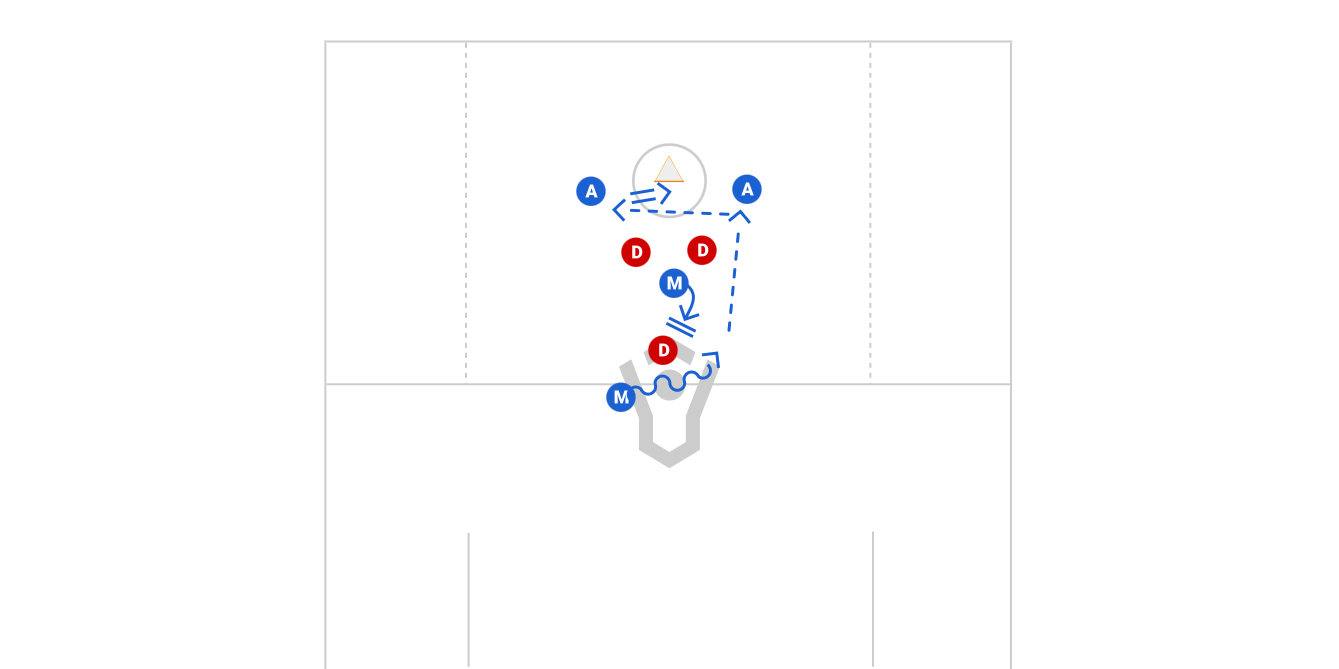
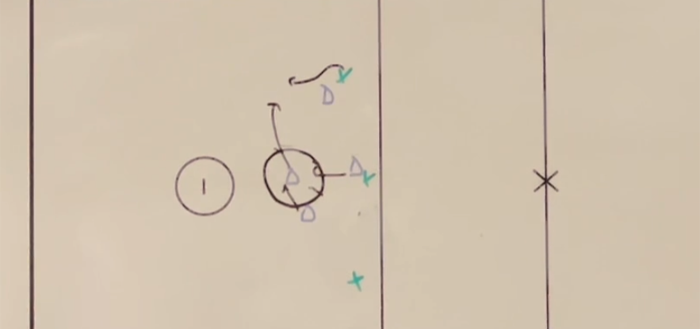
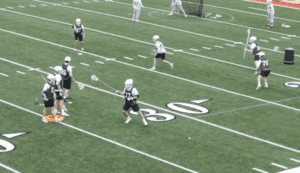
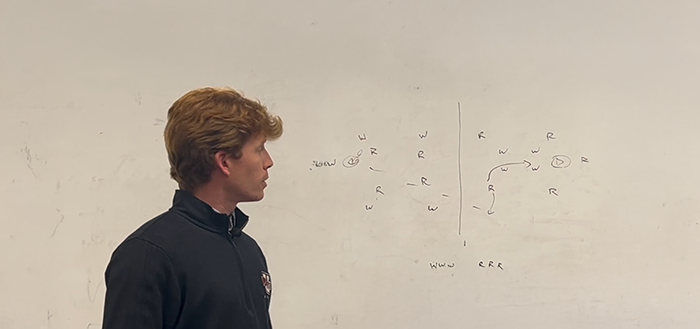
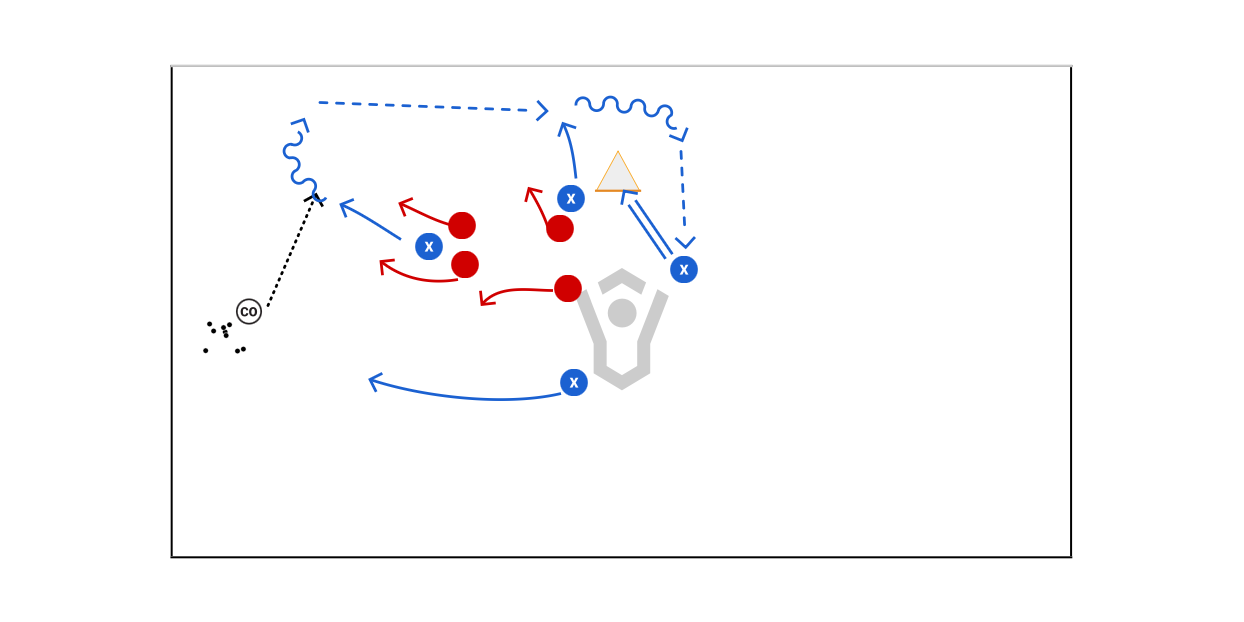
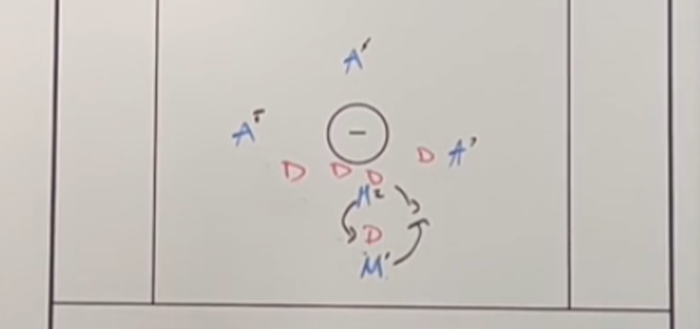
In lacrosse, success on the field depends not only on individual skill but also on team coordination and strategy. Whether you’re on offense or defense, understanding the fundamentals of team play is key to executing effective plays, maintaining possession, and defending as a unit. This page explores essential strategies and drills for both offensive and defensive team play that can help you develop better communication, positioning, and overall team dynamics.
Team offense and defense are the foundation of any successful lacrosse game. While individual skills such as dodging and shooting are critical, the ability to work cohesively as a team allows you to move the ball efficiently, create scoring opportunities, and shut down the opposing team’s attack. Effective team play involves understanding positioning, timing, and communication, both on offense and defense. When each player works together toward the same goal, the team becomes a more formidable force on the field.
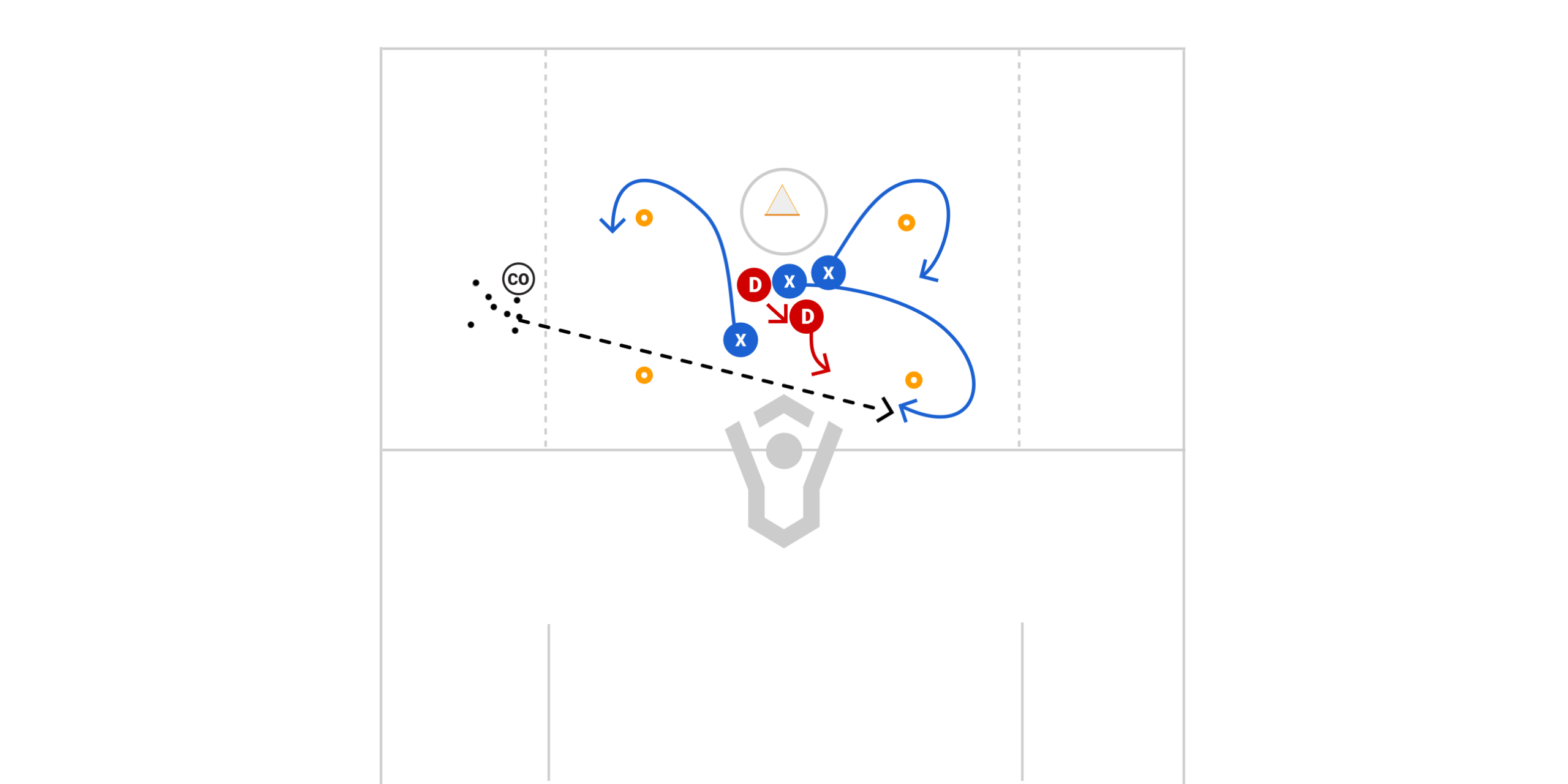
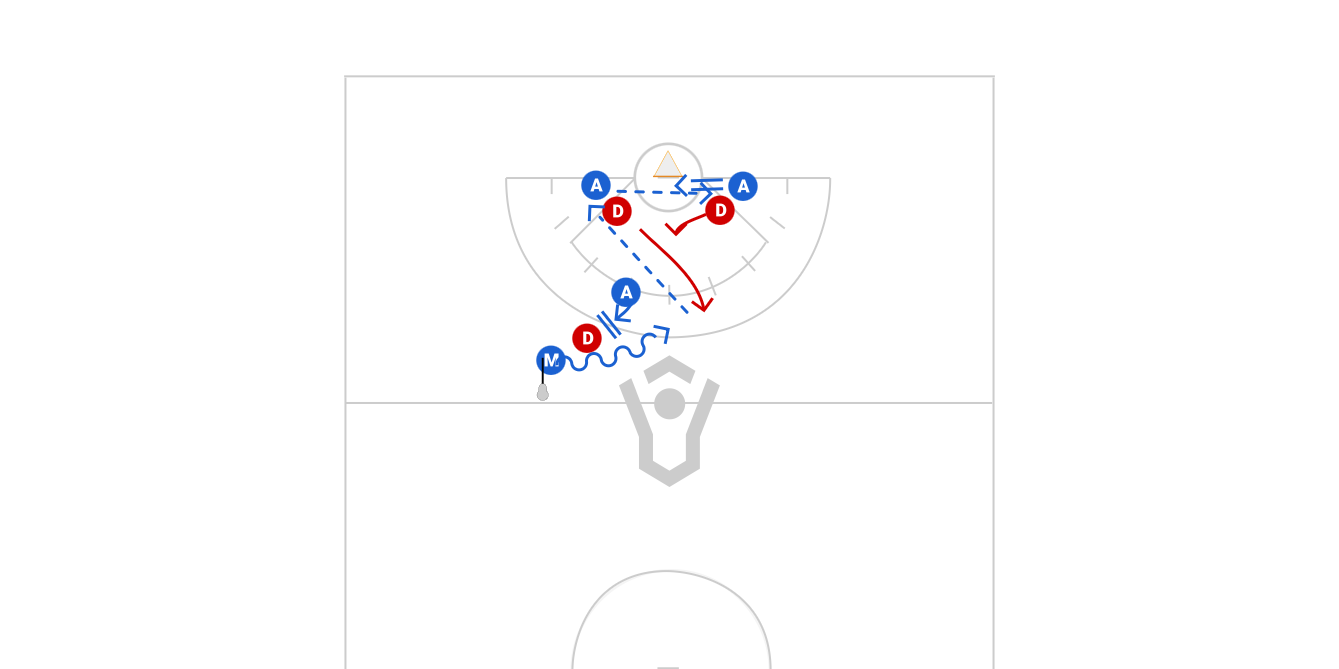
Spacing and Movement: One of the most important aspects of team offense is creating space. Players must move without the ball to pull defenders out of position and create open passing lanes. Offensive players should focus on cutting to open areas, setting picks, and rotating positions to keep the defense on its toes.
Ball Movement: Quick and efficient ball movement is essential for breaking down a defense. Whether it’s through short passes or long feeds, keeping the ball moving forces the defense to shift and can lead to mismatches or open shots. Players should focus on quick passes, catching, and shooting without hesitation.
Player Roles in Team Offense: Every player has a role on offense. Attackmen focus on getting into shooting positions, while midfielders help with ball movement and transitioning. The role of each player may vary based on the team’s strategy, but every offensive play is a product of the team’s collective effort.
Team Plays & Set Offenses: A team that can execute set plays will have a greater chance of breaking through tough defenses. Incorporating plays such as pick and rolls, inside-out dodges, and off-ball cuts allows for more organized and predictable offensive movements, ensuring that players are always in the right spot at the right time.
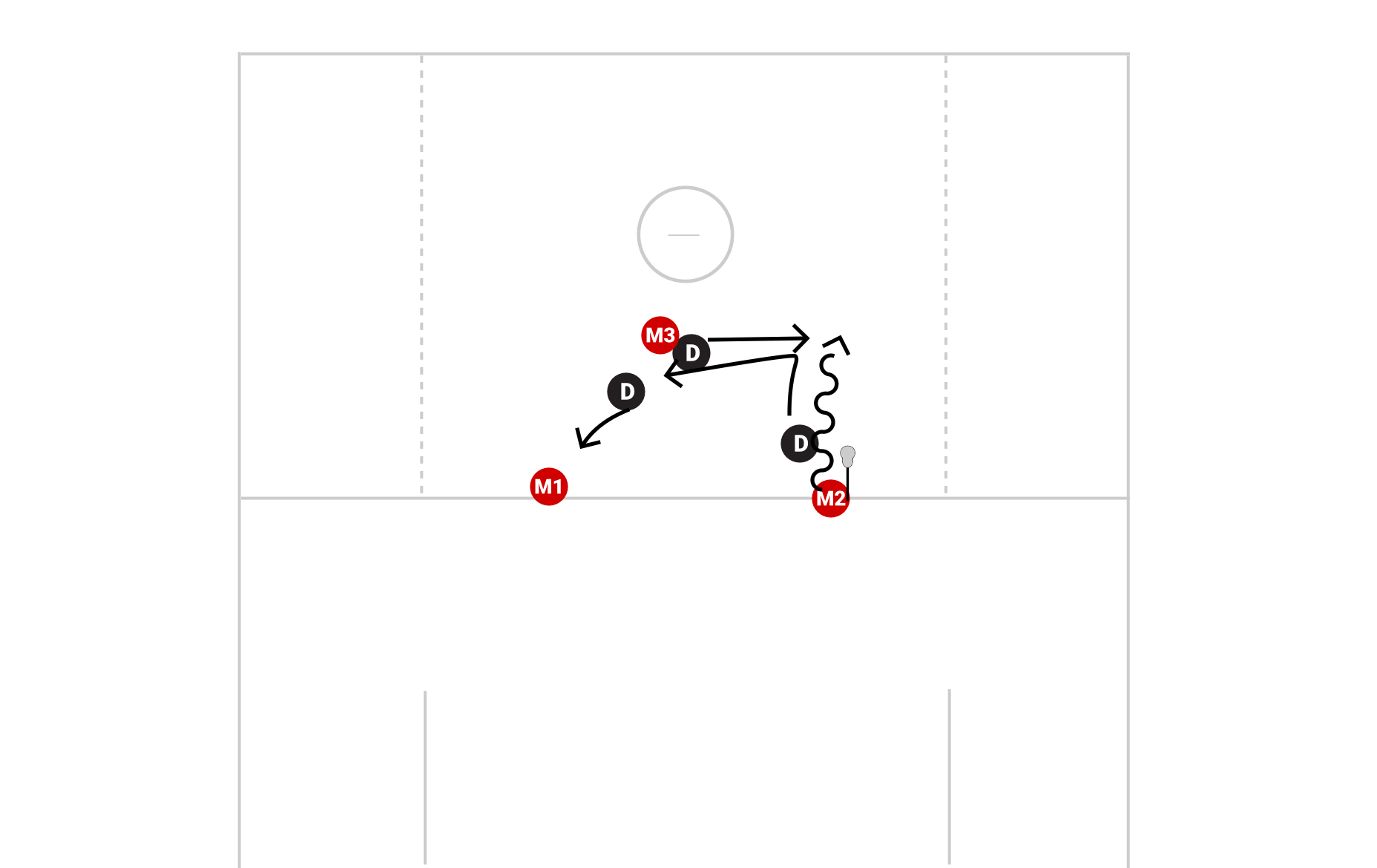
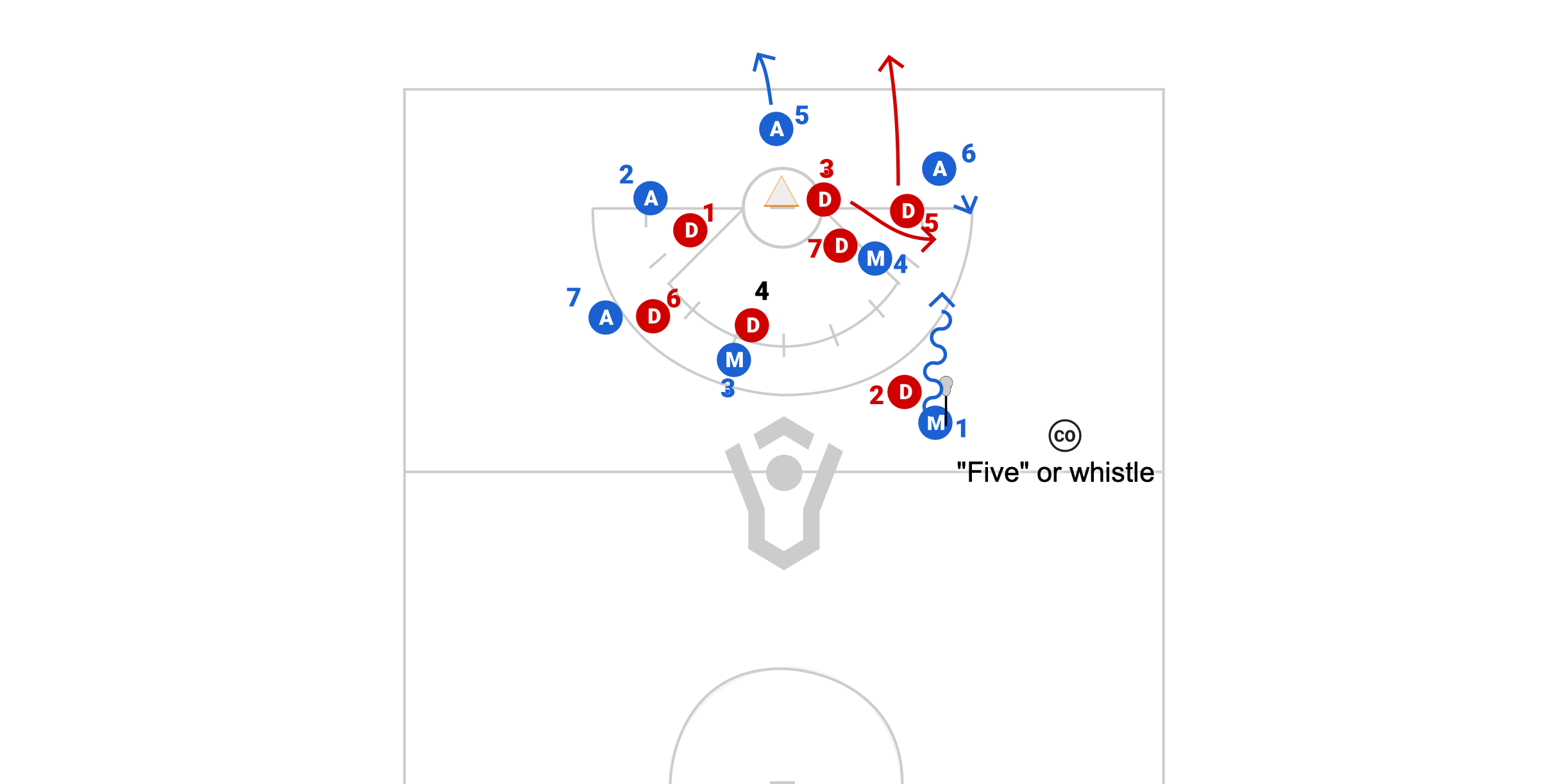
Team defense is all about communication, positioning, and understanding how to work as a cohesive unit to prevent goals. Strong team defense requires defenders to work together, anticipate offensive plays, and shift their positions in unison to stop the ball and create turnovers. Whether it’s through sliding, switching assignments, or keeping the ball out of dangerous areas, effective team defense can turn the game in your favor.
Communication: Constant communication is key to successful defense. Defenders must communicate about picks, switches, and slides to ensure that no one is left open. This allows the team to react quickly and stay in sync during defensive transitions.
Defensive Positioning: Defensive players must always be aware of where they are on the field relative to the ball and the goal. Good positioning makes it easier to anticipate the offensive player’s moves and provides opportunities to intercept passes or block shots.
Team Defense Strategies: A solid team defense relies on various strategies such as zoning, sliding, and switching. By understanding these strategies and working together, defenders can effectively shut down the opposing offense and limit scoring opportunities.
Transitioning from Defense to Offense: Once the ball is turned over, defenders need to transition quickly to offense. This requires both awareness and anticipation. By moving the ball up the field efficiently, the defense can capitalize on the offense’s disorganization and create fast break opportunities.
Mastering team offense and defense is essential for becoming a well-rounded lacrosse player. Both aspects require practice, communication, and a deep understanding of the game. By working on team plays, improving positioning, and practicing key drills, you can enhance your overall performance and help your team achieve success on the field. Keep refining your team strategy, and you’ll see the impact on both ends of the field.