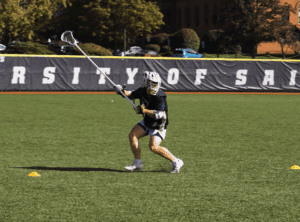
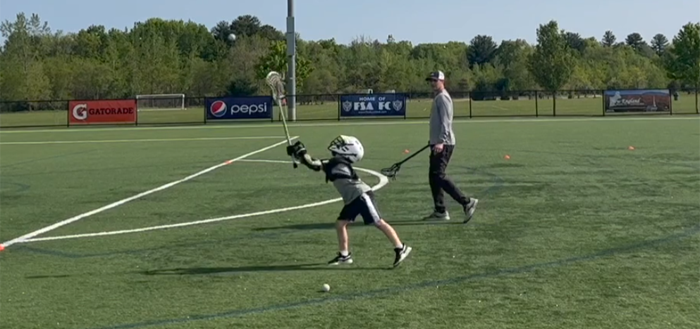
Footwork is one of the most important skills in lacrosse because it impacts everything you do. Better footwork helps you dodge with control, shoot with balance, defend with discipline, and transition without giving up easy advantages. This page focuses on lacrosse footwork drills and the movement habits that help players stay quick, stable, and confident under pressure.
Great athletes do not just move fast. They move efficiently. When your feet are in the right place, your stick work becomes cleaner, your decision-making speeds up, and your body stays in control during contact or sudden changes of direction. That is why footwork training matters at every level, from beginner players learning fundamentals to advanced athletes refining game-speed execution.
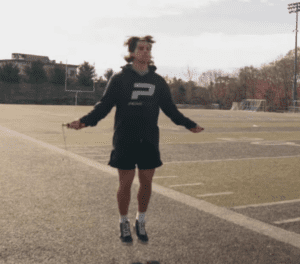
Good footwork looks controlled. You can accelerate, stop, and change direction without standing tall or crossing your feet. You stay balanced through contact, keep your hips underneath you, and you are able to transition smoothly between offense and defense.
In lacrosse, a half step often decides who wins the moment. Footwork affects how well you protect the ball, how quickly you get to a shooting spot, and how reliably you stay in front of an opponent. Strong footwork also supports your ability to see the field, communicate, and play within a system, especially when team concepts like team defense principles require coordinated slides and recoveries.
Offensively, clean footwork creates separation and improves shot timing. Defensively, disciplined footwork prevents lunging, reduces fouls, and forces opponents into lower-percentage angles. The best players are not guessing. They are moving with purpose.
Acceleration matters, but stopping with balance matters just as much. If you cannot decelerate under control, you will drift wide on dodges, rush shots, or overrun your defensive approach. A consistent stop gives you a stable base for passing, shooting, or re-directing into your next move.
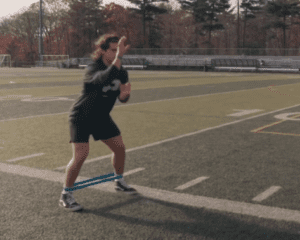
Side-to-side movement is critical for both attack and defense. Defenders need it to contain dodges and stay square. Offensive players use lateral steps to change angles, sell fakes, and keep defenders off balance. Pairing this with anticipation and recognition helps you move earlier instead of reacting late.
Pivoting allows you to protect your stick, change direction, and reposition into space. A strong pivot keeps your base under you so you can throw an accurate pass, step into a shot, or escape pressure. If you struggle to create separation, also review dodging and escapes so your feet and body movement stay connected.
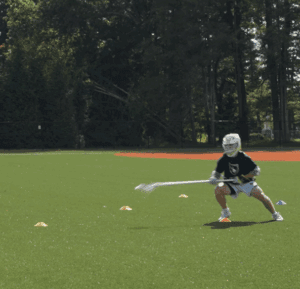
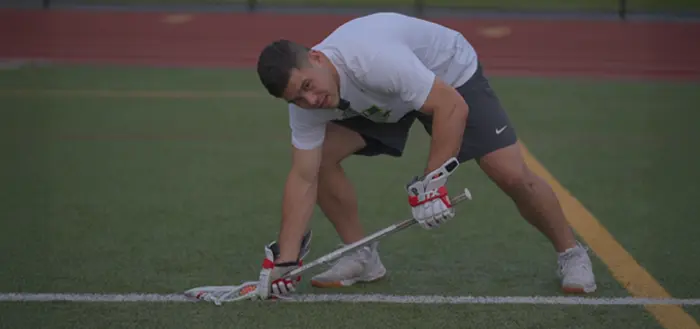
Many turnovers and missed checks happen because players lose balance. Training balance means staying low, keeping your weight centered, and learning to absorb contact without popping upright. Balanced footwork improves your passing windows and makes your defensive approach more reliable.
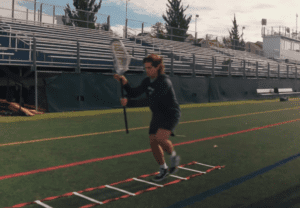
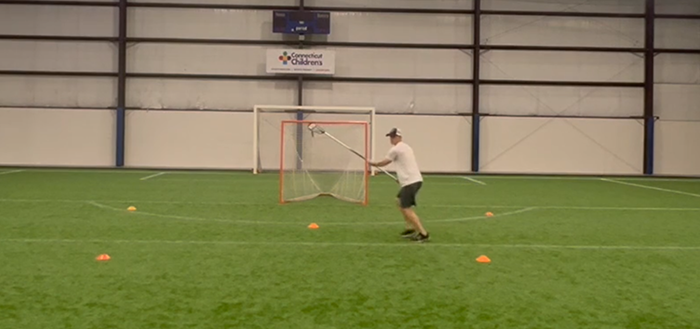
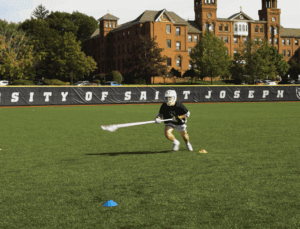
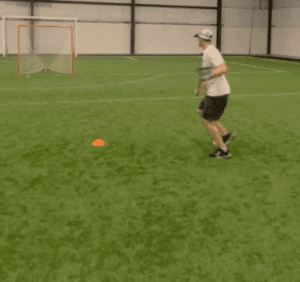
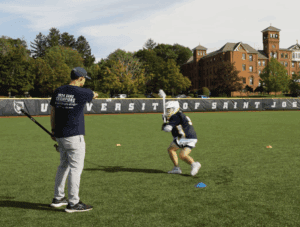
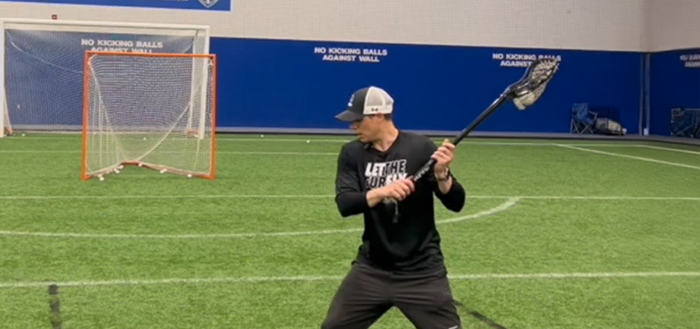
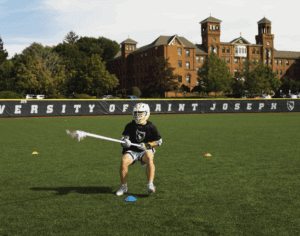
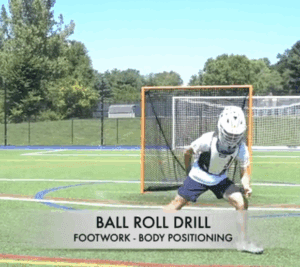
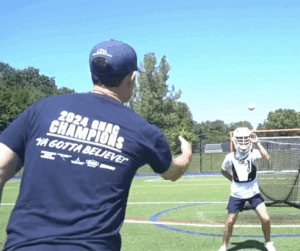
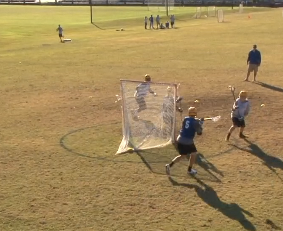
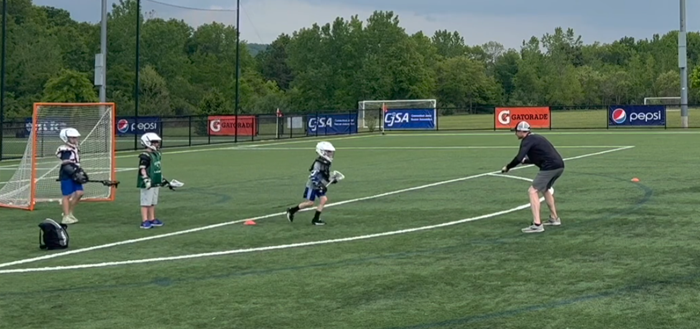
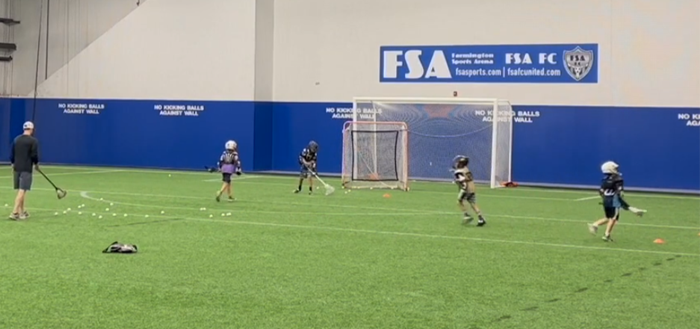
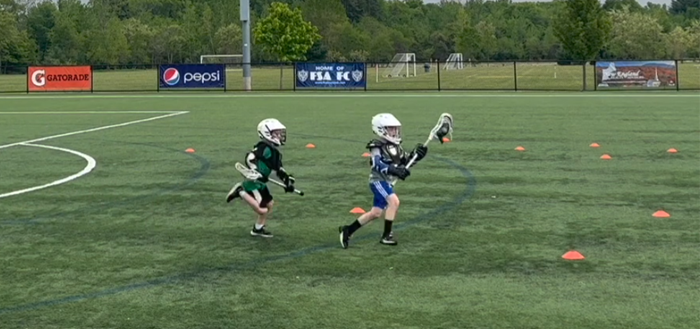
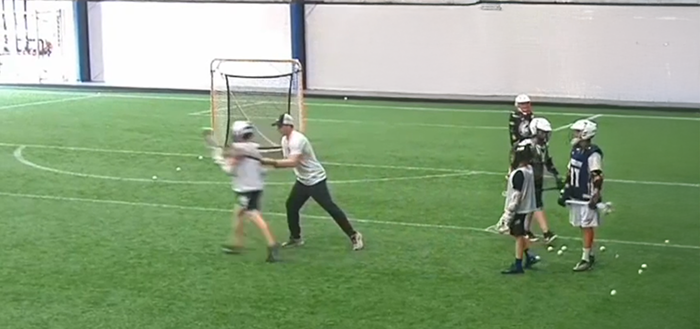
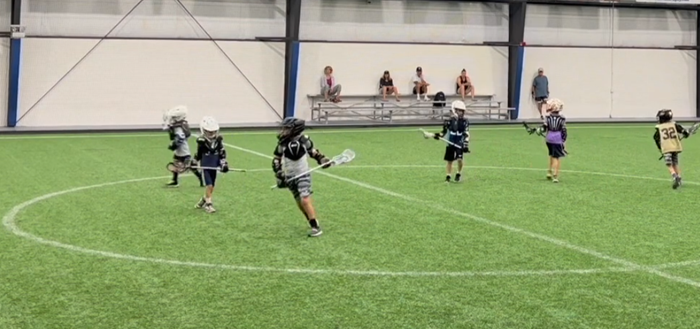
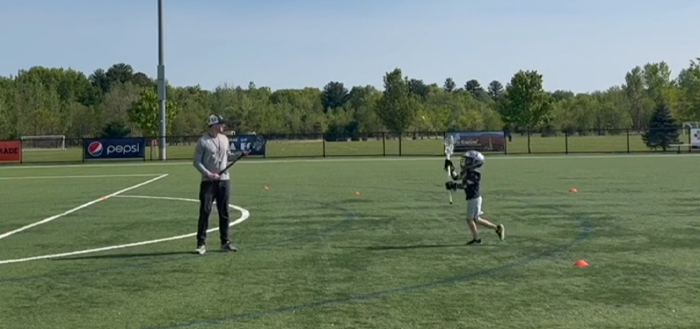
The best lacrosse footwork drills connect your feet to a real lacrosse action. These drills help players sharpen timing, foot placement, and body control while reinforcing offensive and defensive decision-making.
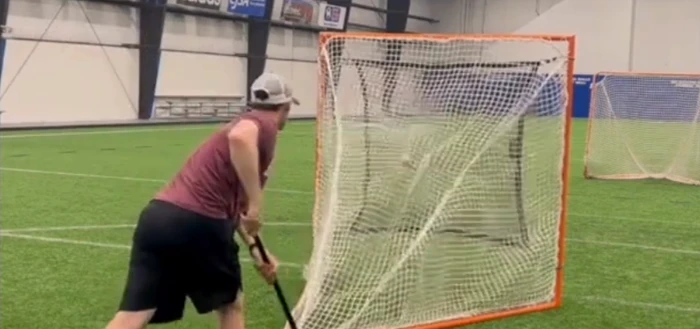
This drill reinforces foot placement before release. Players learn how to plant with balance, transfer weight, and generate consistent shot mechanics. It is also a great way to connect footwork to shooting rhythm when training lacrosse shooting.
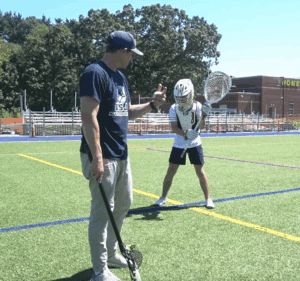
Coaching focus: land with control, keep shoulders stable, and do not rush the plant step.
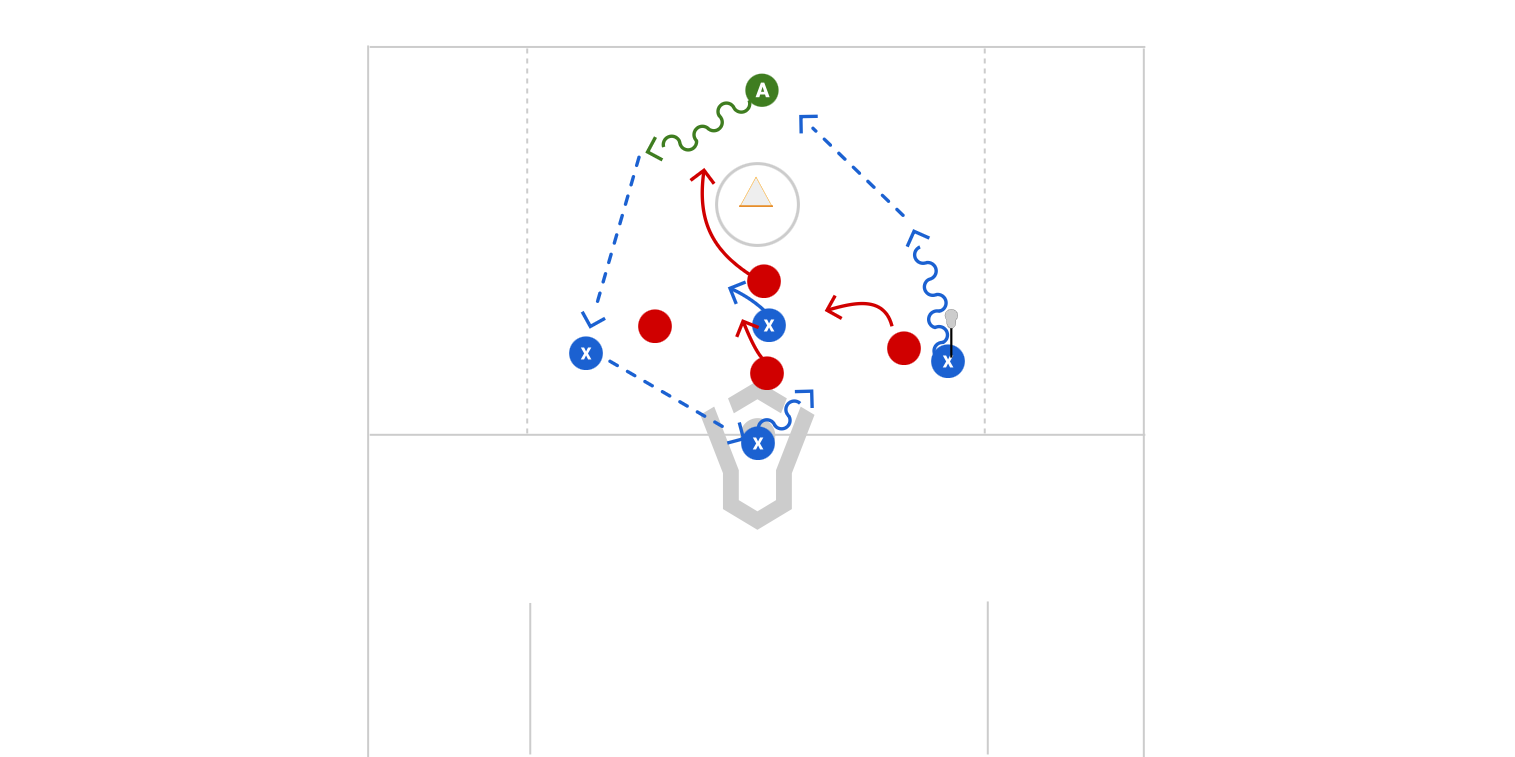
This drill emphasizes re-directing your feet to change angles and create space. Players practice selling one direction, planting, and re-attacking the inside lane before finishing. It supports offensive players building stronger separation and defenders learning how to recover their feet after a change of direction.
Coaching focus: stay low through the plant and keep your first step after the re-direct explosive.
This drill trains quick resets. Players must find their feet, get balanced, and shoot repeatedly without drifting. It builds game conditioning and helps players improve mechanics while fatigued.
Coaching focus: reset your base every rep and avoid leaning back as fatigue increases.
The hitch is a footwork-driven change of pace. Players learn how to sell a step, stop with control, and explode into space. This movement can set up shots, feeds, or an escape, especially when paired with strong passing decisions after separation.
Coaching focus: keep the hitch compact so you do not lose momentum or stand tall.
On offense, footwork should help you create separation while keeping your options open. The best dodgers attack with intent, then use controlled deceleration and a clean re-direct to force defenders to turn their hips. Once separation is created, the next step is decision-making, either shooting, feeding, or moving the ball to the next advantage.
To build better offensive timing, connect your footwork work to your reads. If you are consistently running into help, develop more awareness through lacrosse IQ training and focus on recognizing when to attack and when to move the ball quickly.
Defensive footwork is about staying in front without chasing. When your feet are disciplined, you can guide opponents toward low-percentage angles and reduce the need for risky checks. This is also where team concepts matter. Defenders who move their feet and communicate allow the entire unit to rotate smoothly and recover into shape.
If you are working specifically on how you close space and approach ball carriers, review defensive footwork and approaches to improve your ability to contain, break down, and stay balanced through contact.
Footwork affects spacing, timing, and communication across the field. Offensively, cleaner footwork supports better timing on cuts and passing windows. Defensively, it keeps rotations tight and reduces scrambling. When teams emphasize communication and connected movement, they execute systems more effectively and avoid giving up easy transition chances.
If you want to improve your overall team coordination, reinforce communication habits alongside footwork development so players move and talk as one unit.
Footwork improves every part of your game because it keeps you balanced, quick, and in control. Build better starts, stops, lateral movement, and pivots, then connect those movements to real lacrosse actions through the drills above. As your footwork improves, your dodging becomes sharper, your shooting becomes more consistent, and your defense becomes harder to break down.
Proper defensive footwork helps you stay in front of attackers, anticipate movements, and reduce scoring opportunities. Combined with anticipation & recognition, defenders can read plays better and react faster.
Keep your knees bent and weight centered over your feet. This low stance improves balance, allows quicker lateral movement, and prepares you for sudden changes in direction during defensive plays.
Practice slide drills, agility ladders, and shuttle runs to increase lateral speed. Pair these drills with defensive approaches drills for maximum effect.
Position yourself between the attacker and the goal, forcing them toward less dangerous areas. Angles work best when combined with anticipation, awareness, and proper stick positioning from defense stickwork.
No. Patience is key. Wait for the right moment to make your move while staying balanced. Overcommitting can allow the attacker to bypass you easily.
Effective footwork ensures proper coverage, correct slide timing, and smooth rotations. Integrating footwork with team defense principles ensures your defense operates cohesively.
The most important footwork habit is staying balanced while moving. That means keeping your hips underneath you, staying low, and avoiding extra steps that waste momentum. Balance improves your ability to stop and re-direct quickly, which directly helps dodging, defensive recovery, and shooting consistency. If you tend to stand tall when pressured, focusing on staying low through changes of direction can immediately improve your control.
Balance also connects to field awareness. When you are not fighting your own body position, it becomes easier to keep your head up and make the right read.
To improve change of direction, focus on deceleration first. Many players try to cut without controlling their stop, which causes them to drift or lose balance. Drills that teach quick plants, compact steps, and explosive re-acceleration are ideal. You can also build better movement patterns by pairing footwork work with dodging and escapes so your feet and body positioning stay connected during game-like reps.
As you improve, pay attention to how quickly you can re-attack after your plant step. The best dodgers create separation by changing speed and direction without wasting steps.
Defensive footwork is about staying square, controlling the angle, and avoiding lunging. Great defenders move their feet to contain instead of reaching with their stick. Staying low, taking short controlled steps, and matching hips helps you guide attackers into lower-percentage areas. Defensive footwork is also closely tied to communication because connected defenses rely on disciplined movement and clear calls.
To build better defensive movement patterns, review defensive footwork and approaches and reinforce communication during live reps so the entire unit stays organized.
Beginners should focus on simple, repeatable movement patterns and build consistency before adding speed. Start by training a low stance, controlled starts and stops, and basic lateral movement. Then layer in lacrosse actions like catching, passing, or shooting after the movement. This approach helps new players feel coordinated while also learning how footwork connects to real game situations.
If you are building a foundation, it also helps to follow a progression mindset similar to beginner to intermediate development, where movement quality comes first and speed comes second.