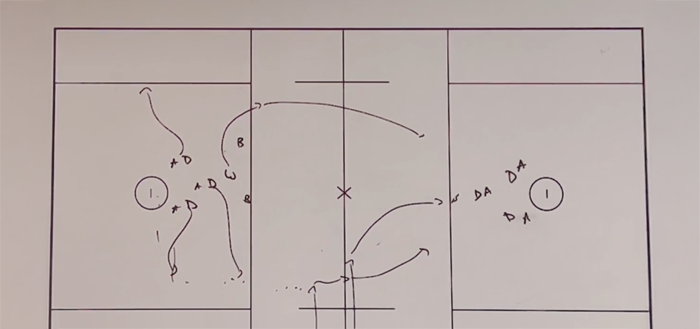
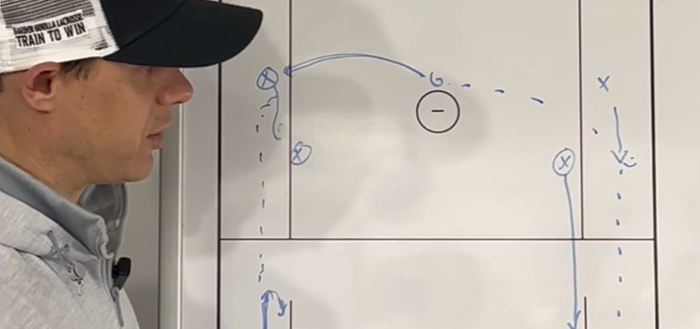
Clearing is the bridge between a defensive stop and an offensive opportunity. When a team clears with confidence, it controls tempo, limits turnovers, and creates better matchups before the defense is set. This page focuses on practical clearing strategies and a short list of drills that reinforce spacing, timing, and decision-making. If you want a deeper library of concepts, visit our clearing drills page and build a clear that fits your roster.
Clearing success is rarely about one great pass. It is usually the result of several small wins in a row: a clean pickup, a composed outlet, smart support angles, and the discipline to move the ball again when the first look is not there. That is why clearing is a team skill, not just a goalie skill. Even teams with elite athletes struggle if they do not share a common plan, communicate clearly, and understand what they are trying to accomplish on each rep.
Move the ball safely out of pressure, keep your spacing connected, and advance into offense with numbers, composure, and options. The best clears feel calm because everyone knows where the next pass should be and where support will appear when pressure arrives.
Clearing practices improve much more than transition. They sharpen passing under pressure, build reliable spacing habits, and demand consistent communication to avoid two players drifting into the same lane. Clearing also trains players to recognize risk. A dangerous pass in the defensive third often becomes an immediate scoring chance for the other team. A safe decision and a quick second pass often becomes a fast break for you.
For many teams, clearing is where game momentum swings. A clean stop followed by a clean clear fuels confidence. A stop followed by a turnover drains energy and puts your defense back under stress. If you want a clearing strategy that holds up late in games, you need reps that simulate fatigue, pressure, and imperfect situations.
The clear teaches players to scan early, use the next pass when it is available, and avoid forcing hero plays. Training clear reads builds better lacrosse IQ across your entire lineup.
A clear starts with a defensive stop and ends with an offensive advantage. That connection reinforces your team defense principles and your team offense principles in one continuous sequence.
There are many ways to clear successfully, but the most reliable strategies share the same foundations. If your team commits to these habits, your clear becomes harder to break, even against aggressive rides.
Q: Should we always push transition quickly?
Not always. A fast clear is great when your spacing is clean and the ride is disorganized. If your team is bunched or the defense is trapped near the sideline, a composed clear that uses one extra pass is often the best option.
Q: What is the biggest misconception about clearing?
Many players think clearing is just getting the ball over midfield. In reality, clearing is starting your offense with structure, spacing, and advantage. A clear that ends with poor spacing can waste the entire transition opportunity.
Most clearing turnovers happen on the pickup or the first outlet. Train your team to secure possession cleanly, then deliver a simple outlet to a teammate with time and space. If your outlets are reliable, the rest of the clear becomes much easier.
This is where footwork and body control matter. Players who arrive balanced make better decisions and throw better passes.
Good clears create triangles and easy outlets. Bad clears create isolation and long passes into pressure. Coaches should define where support lives and teach players to move with purpose when the ball changes sides.
Spacing becomes easier when everyone talks early. Use constant communication so players know when they are the next outlet or the next release.
Pressure is not the enemy. Panic is. Teach your team to move the ball again when the first look is not there. A quick second pass often breaks the ride more effectively than a long pass that turns into a scramble.
If a ball carrier is trapped, skills like dodging and escapes can buy time for outlets to appear.
Clearing responsibilities should match strengths. A confident ball mover can handle pressure. A strong passer can deliver outlets. A fast runner can stretch the ride and create space. Build your clear around roles, not just positions.
Many teams lean on midfielders as primary outlets and depend on the goalie to organize the first look and communicate the plan.
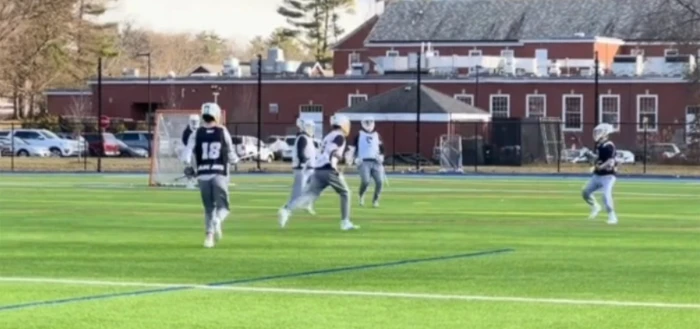
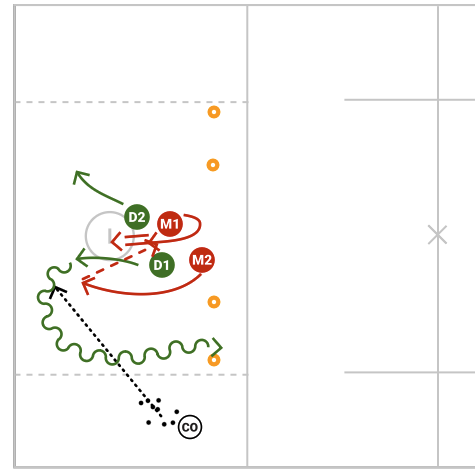
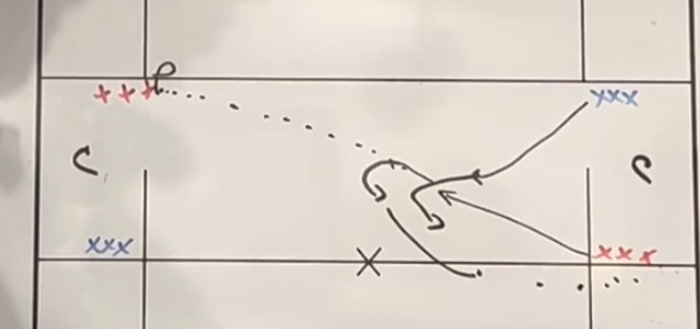
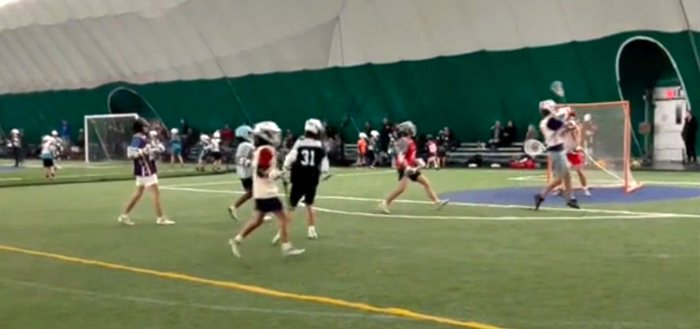
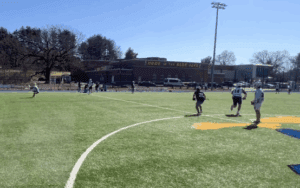
A fast paced, half field drill that gets players competing while training quick pickups and quick outlets. This drill supports clean transitions by reinforcing stick security and the ability to move immediately after the scoop.
Coaches can connect it to defensive stickwork by emphasizing protection and control through contact after the pickup.
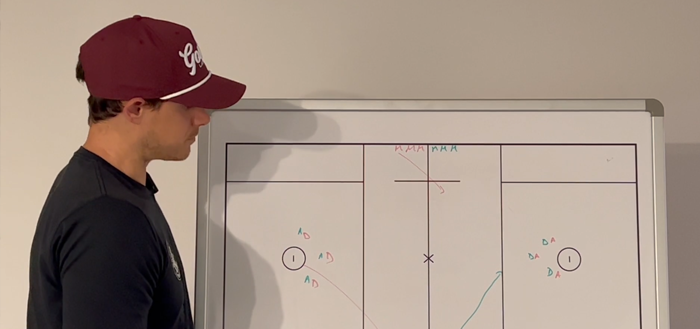
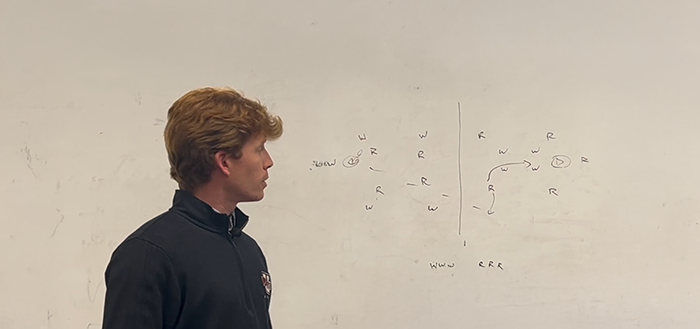
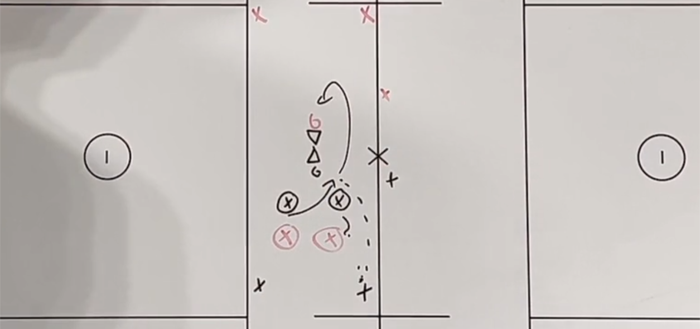
This transition drill keeps practice uptempo with constant unsettled 5 on 4 situations. It is a great mid-practice option before an inter squad scrimmage because it forces players to scan, make fast decisions, and move the ball quickly.
It also encourages smart escapes and release valves, which ties directly into dodging and escapes during transition.
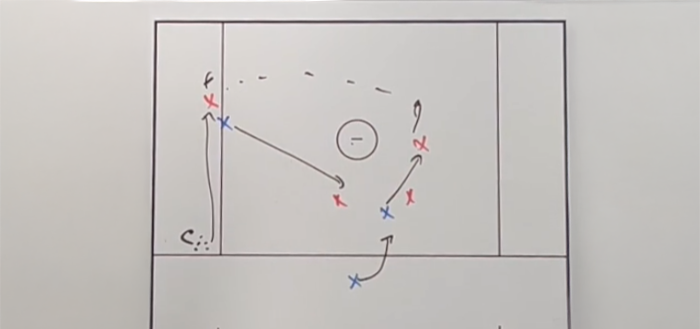
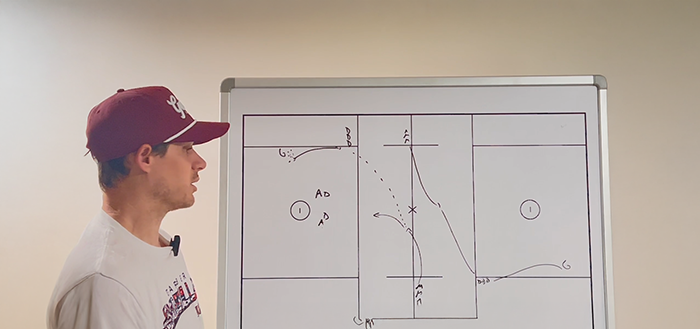
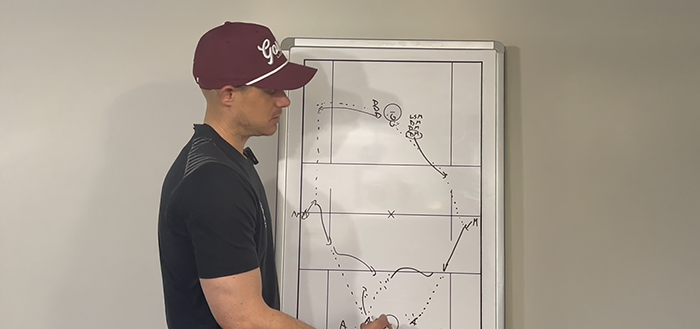
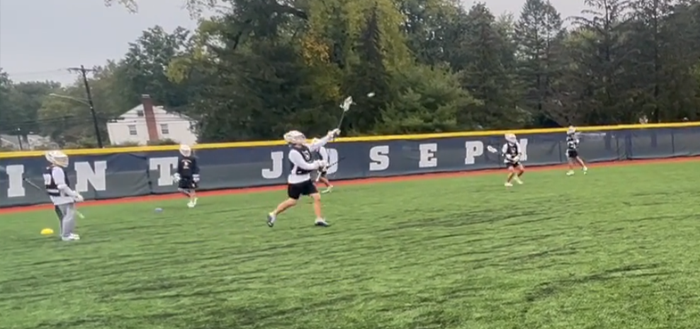
A full field passing drill for teams that use a ladder clear. It emphasizes timing, spacing, and moving the ball in sequence while players sprint into the next window. This builds confidence in your clearing strategy and creates consistent outlets.
The ladder clear improves passing precision and reinforces reliable footwork when players receive on the move.
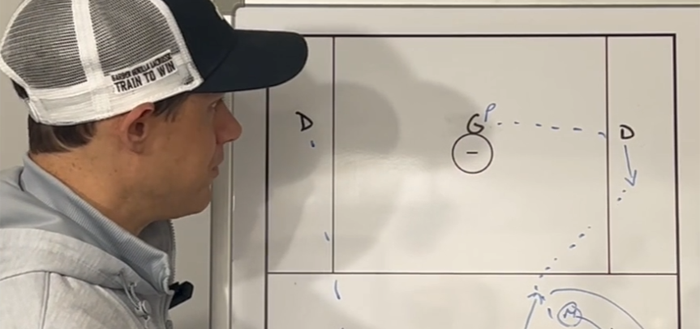
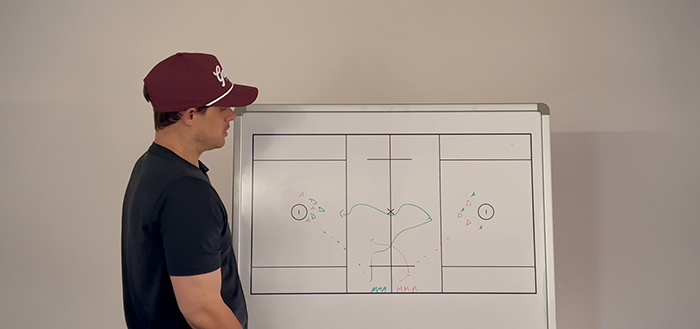
This full field build up drill works on all facets of 6v6 lacrosse. Players see even situations, unsettled opportunities, and conditioning while practicing clear decisions that carry into settled offense.
Because players must talk through rotations and space, it is a strong fit for building consistent communication habits.
Clearing can be trained as a daily habit instead of a once-a-week segment. Start with a short, competitive ground ball or outlet segment to establish urgency, then move into a structured clearing drill that reinforces your strategy. Finish with a game-like rep where the clear must flow into offense so players learn what to do after they cross midfield.
To develop players at different stages, scale the pressure and the reads. A beginner group might focus on spacing and simple outlets. An intermediate group can add quicker ball movement and decision triggers. An advanced group can increase tempo, add constraints, and demand more communication under fatigue.
When clearing becomes a consistent part of practice, teams reduce turnovers, generate more transition chances, and start possessions with better structure. Over time, your clearing strategies become automatic, and that confidence shows up when the game speeds up.
Clearing drills are designed to help players transition the ball from defense to offense efficiently. They focus on decision-making, accurate passing, spatial awareness, and communication. Practicing clearing improves team speed, reduces turnovers, and creates scoring opportunities. Drills also reinforce defensive and offensive principles, helping players understand when to pass, dodge, or reset.
Goalies and midfielders play crucial roles in the clearing process. Clearing drills help goalies improve their outlet passes, communication, and ability to read the field. Midfielders benefit by learning positioning, spacing, and timing to receive passes and initiate offensive plays. These drills ensure that the team moves the ball quickly and safely across the field while maintaining strategic structure.
Drills like Scoop and Chase, the 54 Drill, and Full Field Ladder Clearing are ideal for practicing fast transitions. They put players in high-pressure situations that mimic game scenarios, emphasizing quick thinking, precise passing, and footwork. Regularly incorporating these drills improves speed, decision-making, and the ability to maintain possession under pressure.
Yes, clearing drills reinforce both offensive and defensive team principles. They teach players how to maintain spacing, communicate effectively, and execute sequential passes under pressure. Combining clearing drills with small-sided games and situational drills helps players translate practice skills into game performance, resulting in smoother transitions, fewer turnovers, and increased scoring opportunities.
Turnovers usually happen because of rushed decisions, poor spacing, or risky passes into pressure. Teams can reduce clearing turnovers by prioritizing the first two passes, keeping outlets close enough to be safe, and communicating early. Players should focus on clean passing, smart footwork into space, and using the next simple option when the first look is covered. It also helps when ball carriers know how to create separation with dodging and escapes rather than forcing a pass while trapped.
The goalie is often the first decision-maker in a clear because they can see the field and recognize the ride early. A goalie who communicates well can guide teammates into the correct outlets and keep the team from getting trapped near the sideline. Goalies also need consistent passing mechanics and timing so the first outlet is delivered with confidence. Building clearing habits for the goalie creates a calmer clear for everyone else, and it helps the defense transition into offense more quickly.
A ladder clear is a structured clearing strategy where players move in sequence to create predictable passing windows up the field. Teams use it because it reduces confusion and creates reliable outlets, especially against pressure. The ladder approach emphasizes timing, spacing, and catching on the run, which improves overall passing consistency. It also helps teams develop trust, because each player knows where the next support option should be if the ball changes sides.