Team defense principles focus on coordinated defensive strategies, including positioning, communication, sliding, and protecting key scoring areas. These principles ensure that defenders and midfielders work together to reduce opponents’ scoring chances. Practicing team defense drills also enhances anticipation, recognition of offensive cues, and overall game IQ.
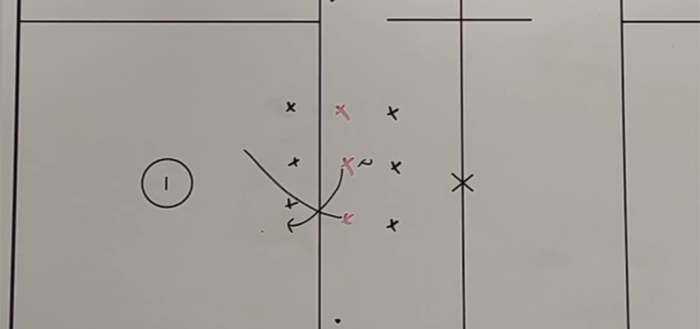
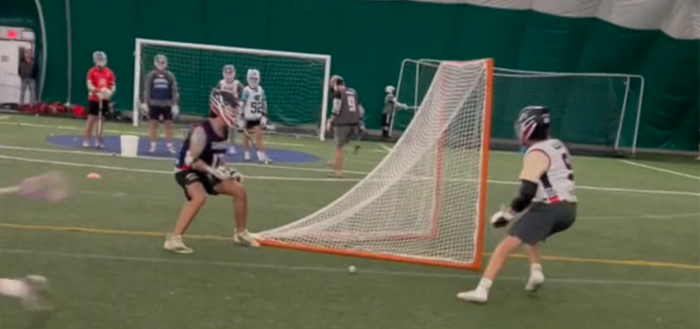
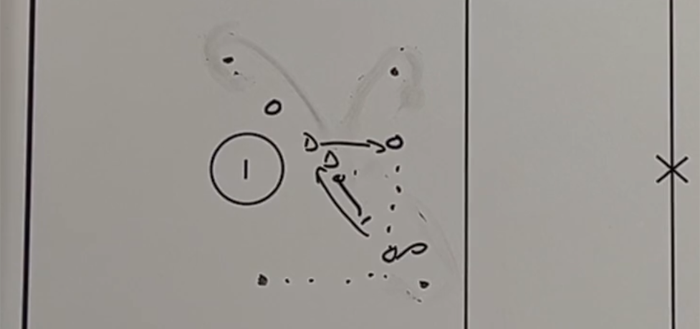
Communication is essential for maintaining proper defensive structure. Players must talk to teammates about slides, switches, and help coverage. Effective communication ensures everyone knows their role, can anticipate offensive movements, and prevent gaps in the defense. Drills like 44 Back2Back and 2v2 In the Box help reinforce verbal and non-verbal communication skills.
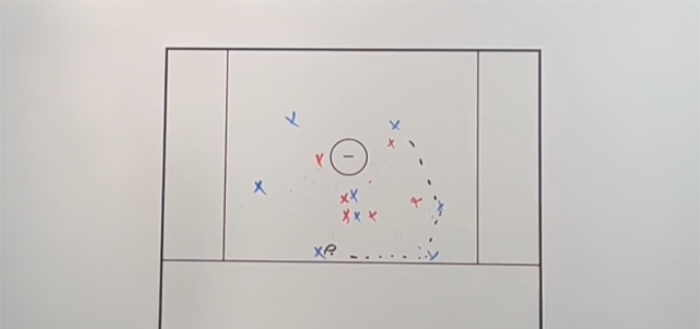
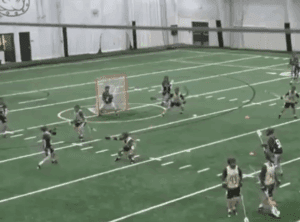
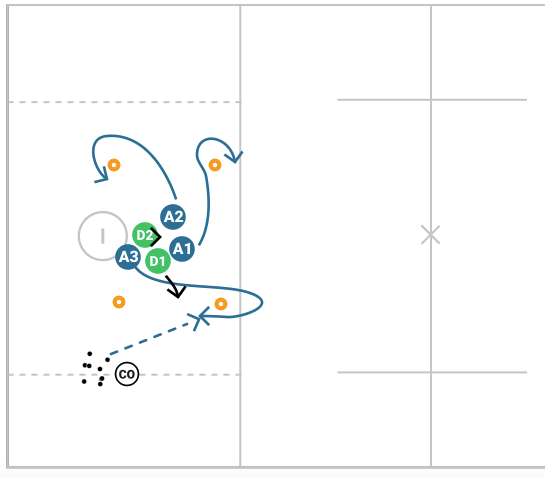
Small-sided games like Splitsville and 4 Corner Possession create controlled environments where players can focus on rotations, spacing, and individual defensive responsibilities. These drills allow defenders to experience high-pressure situations, practice decision-making, and develop instincts that transfer to full-game scenarios, including unsettled or uneven situations.
Yes, defensive drills improve both individual and team performance. By reinforcing positioning, communication, and anticipation, players can effectively reduce scoring opportunities for opponents. Integrating team defense drills with offensive and transition drills enhances cohesion, allowing the team to maintain possession, execute successful clears, and create counter-attack opportunities.