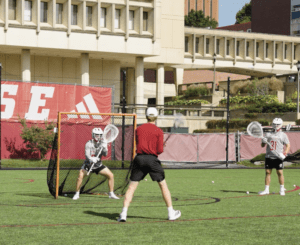
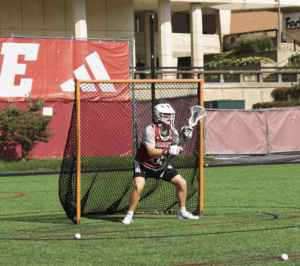
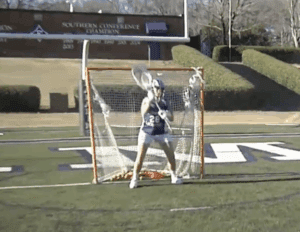
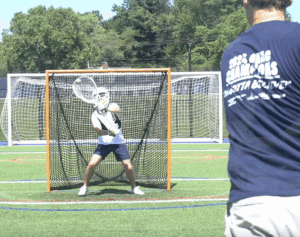
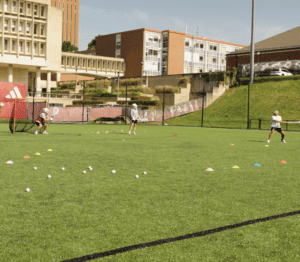
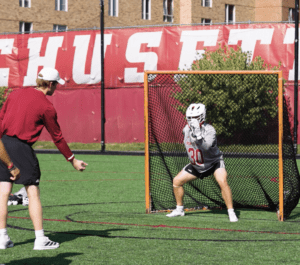
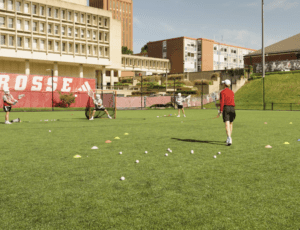
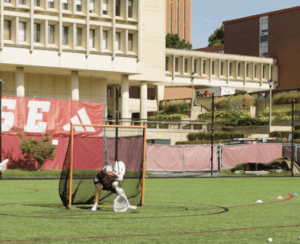
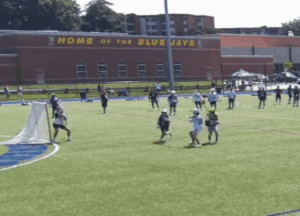
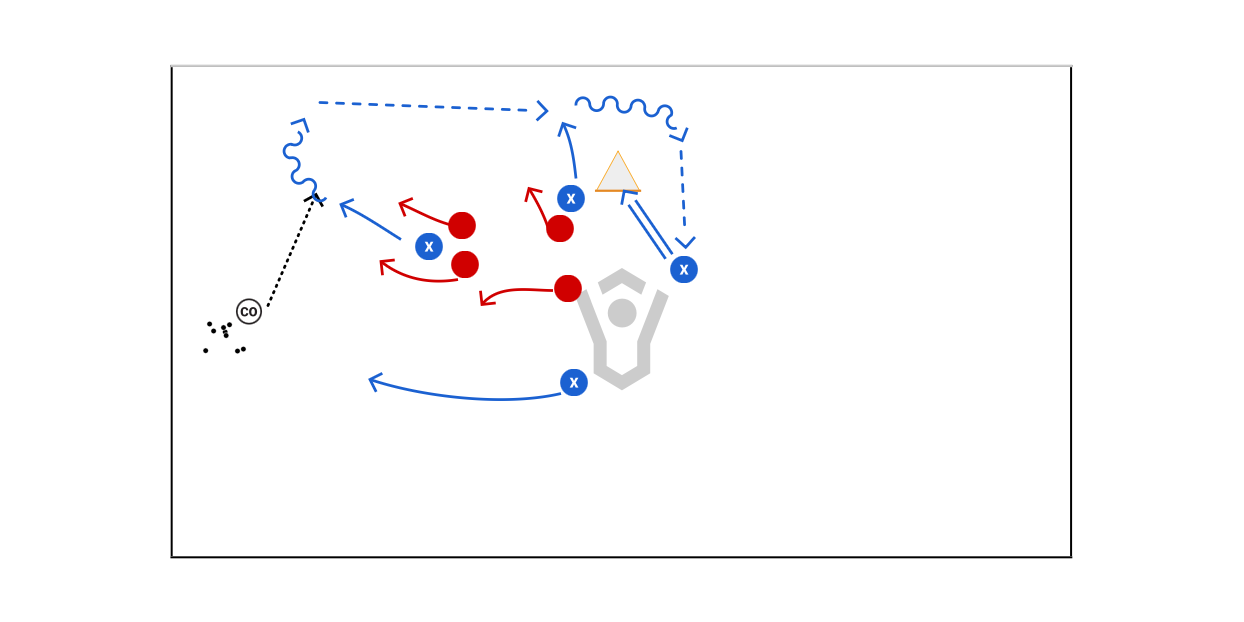
Reaction speed and visual tracking are two of the most important skills in modern lacrosse goalie training. Strong lacrosse goalie drills focus on helping keepers read the ball earlier, react faster, and stay balanced while facing shots from multiple angles and speeds.
These goalie reaction drills emphasize real-game situations rather than static save work. Goalies learn to identify release points, track the ball through traffic, and react decisively under pressure. Consistent training in these areas leads to better positioning, fewer rebounds, and higher save percentages during competition.
For a complete training approach, pair these drills with the goalie fundamentals & stance drills to reinforce proper mechanics, and the goalie position training to apply reaction skills within full defensive systems.
Lacrosse shots can come from unpredictable locations, release points, and shooting angles. Effective lacrosse goalie drills train keepers to process visual information quickly while maintaining balance, posture, and proper hand position.
Improving reaction and tracking skills reduces hesitation and guessing. When goalies trust their eyes and movement patterns, they make cleaner saves and recover faster for second-shot opportunities.
Tracking drills teach goalies to follow the ball from release to save. This improves focus, depth perception, and reaction accuracy on high-speed shots.
Fast-paced goalie reaction drills sharpen reflexes while reinforcing proper save mechanics and controlled movement.
Goalies learn to stay square to the shooter while reacting laterally. Efficient footwork allows quick adjustments without drifting out of position.
Many lacrosse goalie drills include rebounds and follow-up shots, training keepers to reset quickly and stay balanced after the initial save.
The drills below represent common goalie training concepts used to improve reaction speed, shot recognition, and visual tracking. Each drill can be adjusted based on age, skill level, and practice intensity.
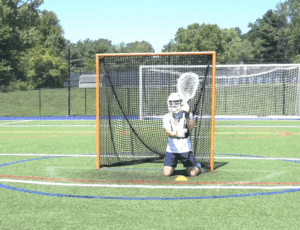
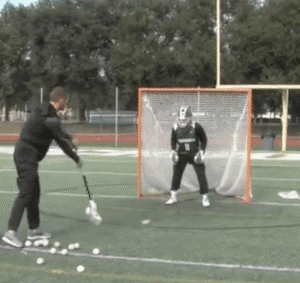
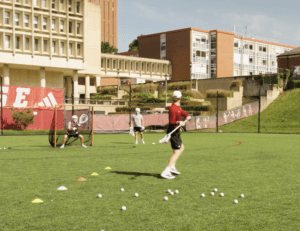
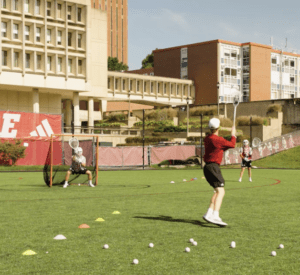
Multiple shots are taken in quick succession from different locations. The goalie focuses on tracking each release and resetting stance between reps.
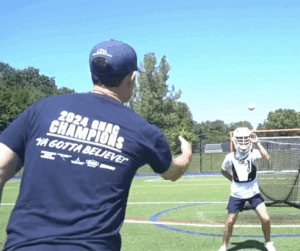
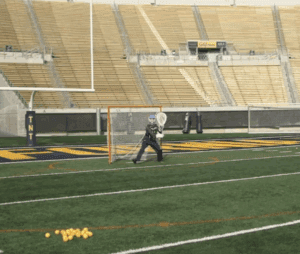
Using different colored balls forces goalies to identify the ball quickly before reacting, improving visual processing under pressure.
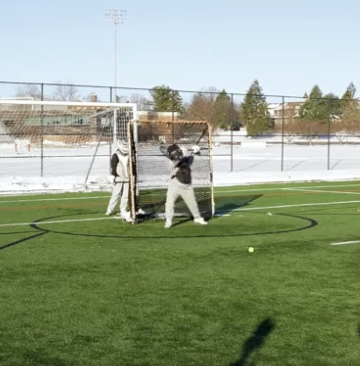
Shots are intentionally deflected to simulate unpredictable bounces, training reaction speed and body control.
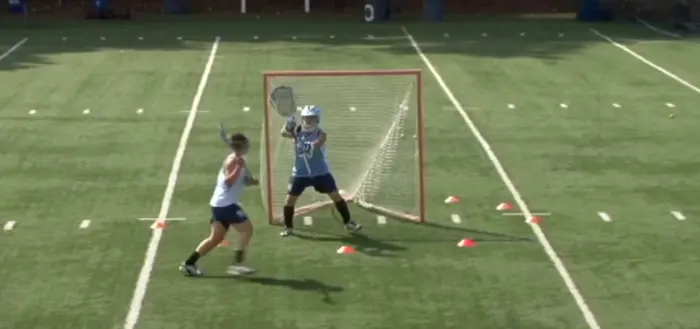
A coach moves laterally before releasing the ball. The goalie mirrors movement and reacts on release, reinforcing patience and eye discipline.
Goalie reaction drills are most effective after a technical warmup. Start with controlled reps to reinforce tracking fundamentals, then increase speed and variability as the session progresses.
These drills work best when combined with full goalie training elements such as communication, clearing, and defensive awareness. Together, they create confident and consistent in-game performance.
Lacrosse goalie reaction drills build the foundation for elite performance in the crease. By training the eyes, hands, and feet together, goalies gain confidence and control when facing high-speed shots.
Use these drills alongside the goalie skill training page and the goalie position guide to create a complete goalie development system centered around high-quality lacrosse goalie drills.
Shot reaction and tracking drills are lacrosse goalie drills designed to improve how quickly a goalie sees the ball, processes the shot, and reacts with proper movement. These drills focus on visual awareness, hand speed, and footwork rather than guessing or lunging. By training the eyes and body to work together, goalies develop faster reads and more controlled saves during live game situations.
Reaction speed alone is not enough if a goalie is not tracking the ball correctly. Shot tracking allows goalies to stay square, recognize release points, and react with balance instead of overcommitting. Lacrosse goalie drills that emphasize tracking reduce false steps and improve consistency, especially against shooters who change angles or release points quickly.
Reaction drills improve save percentage by training goalies to respond efficiently rather than instinctively. When goalies practice reacting to shots from different locations, speeds, and trajectories, they develop muscle memory that carries over into games. These lacrosse goalie drills also improve recovery speed, allowing goalies to make second or third saves during unsettled situations.
Goalies can begin basic reaction and tracking drills at a young age using slower speeds and controlled movements. Youth goalies benefit from learning how to visually follow the ball and stay balanced, while high school and advanced goalies use faster-paced drills with deflections and multiple shooters. These drills scale well across all levels of lacrosse goalie training.
Reaction and tracking drills should be included in nearly every goalie training session, even if only for a short period. Consistent repetition helps reinforce visual discipline and footwork. Many coaches place these lacrosse goalie drills after warmups or before live shooting to sharpen focus and readiness before game-speed reps.
Yes, reaction and tracking drills directly improve rebound control and second-save ability. Many drills intentionally create rebounds or quick follow-up shots, forcing goalies to reset their stance and react again. This trains goalies to stay composed after the first save and maintain balance when the play does not stop immediately.
Reaction and tracking drills work best when combined with proper stance, footwork, and communication training. Goalies who understand positioning and angles can apply reaction skills more effectively within defensive systems. When paired with other lacrosse goalie drills focused on fundamentals and positioning, reaction training helps create complete, confident goalies.