Shooting is one of the most exciting and important skills in lacrosse. Every offensive possession is built with the goal of creating a high-quality shot, and players who can shoot accurately and consistently become major scoring threats. Developing strong shooting mechanics, learning how to read the defense, and practicing game-speed repetition are all essential for long-term success. This page focuses on improving shooting fundamentals while highlighting lacrosse shooting drills that translate directly to game situations.
Effective shooting does more than put the ball in the net. A confident shooter forces defenses to slide earlier, creates space for teammates, and opens up passing lanes across the field. Teams with multiple shooting threats are harder to defend because the ball moves faster and defenders cannot overcommit to one player. By refining shot selection and execution, players improve both individual scoring ability and overall offensive efficiency.
Accurate shooting keeps goalies guessing and increases scoring percentage. Players who focus on placement rather than raw power finish more consistently from a variety of angles.
Quick releases and shooting on the move give defenders less time to recover. Practicing shooting at full speed improves confidence when opportunities appear during games.
Proper footwork plays a major role in shot consistency. Planting the lead foot, transferring weight smoothly, and maintaining balance allow shooters to generate repeatable mechanics. Good footwork also helps players shoot accurately while dodging or changing direction.
Shot timing is equally important. Great shooters recognize when the defense is off balance, when the goalie is shifting, and when a quick release is more effective than holding the ball longer.
Power comes from technique rather than arm strength alone. Rotating the hips, engaging the core, and following through fully allow players to shoot harder without sacrificing control.
Deception separates average shooters from elite scorers. Small changes in release point, eye direction, or body positioning can freeze goalies and create clean scoring windows.
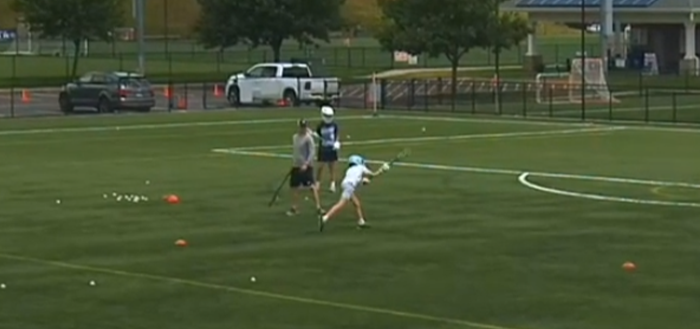
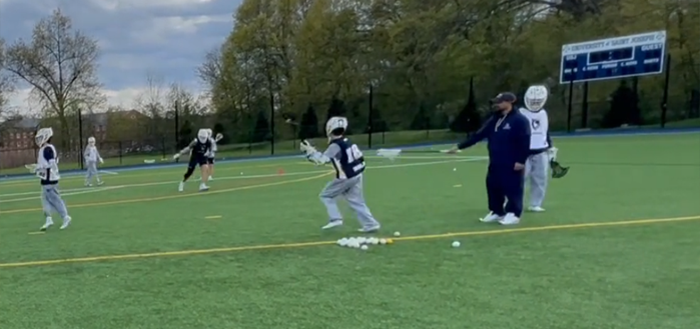
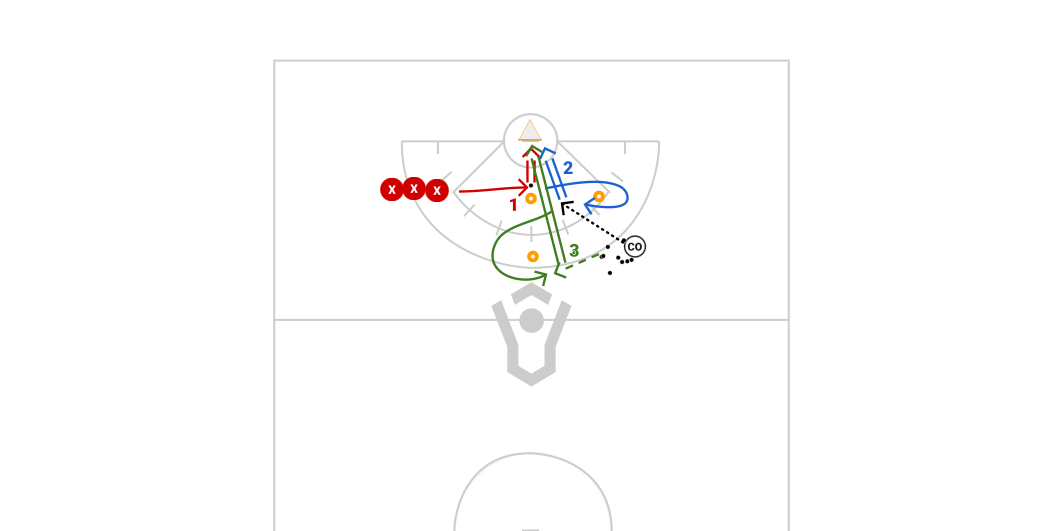
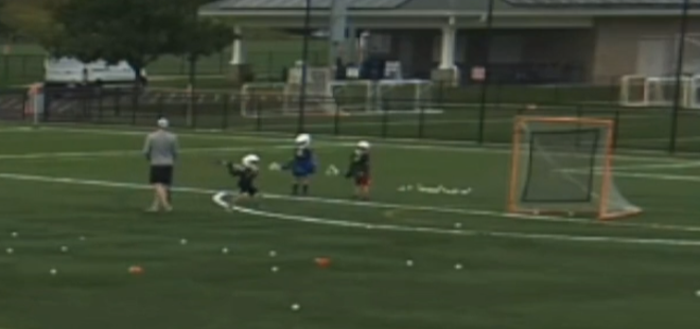
High-quality lacrosse shooting drills focus on repetition, movement, and decision making. Drills that require players to shoot after cuts, dodges, or quick passes better prepare them for real game conditions. Training at game speed improves both confidence and execution when scoring chances arise.
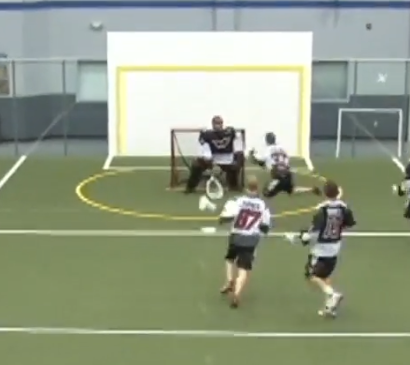
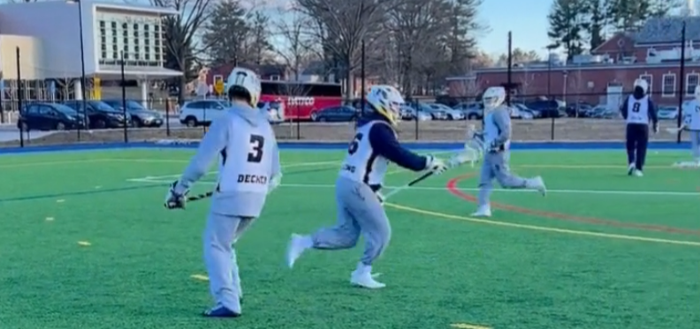
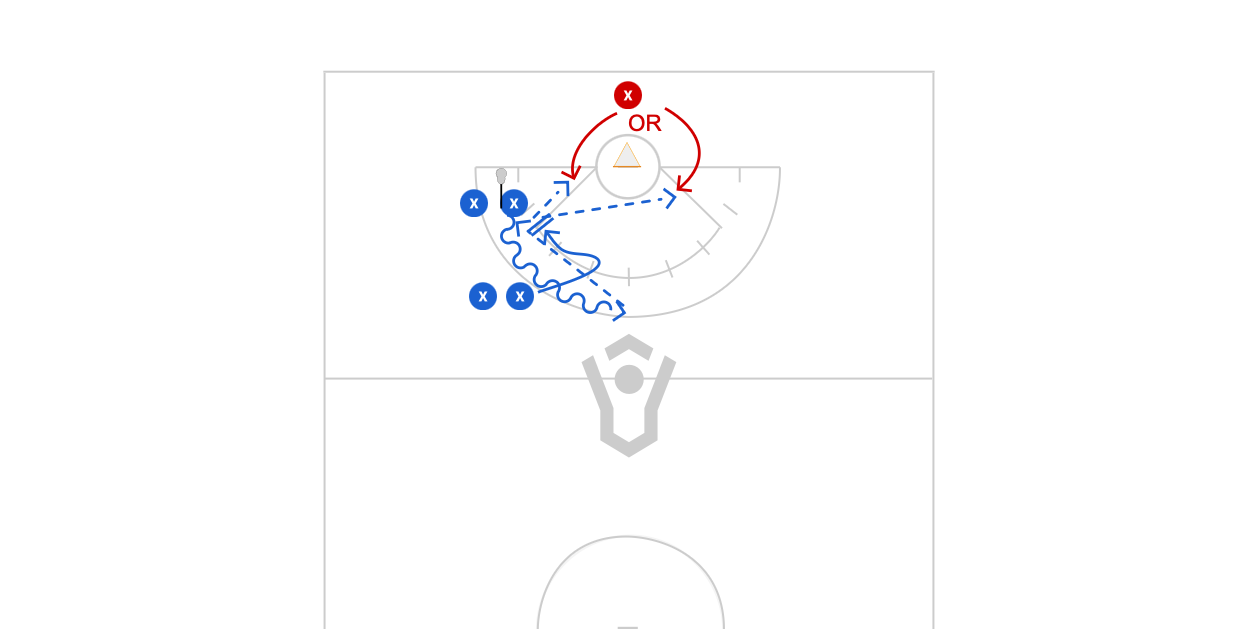
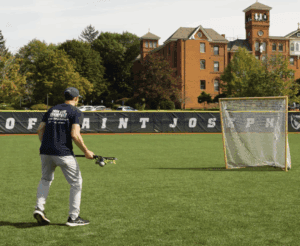
This drill emphasizes deception and fast releases. Players sell a fake before stepping into a shot, helping develop the ability to shoot while reading goalie movement.
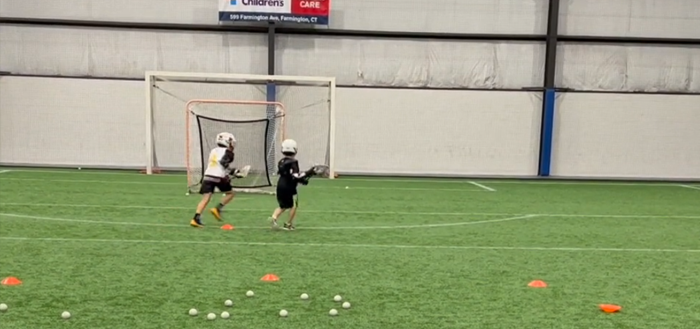
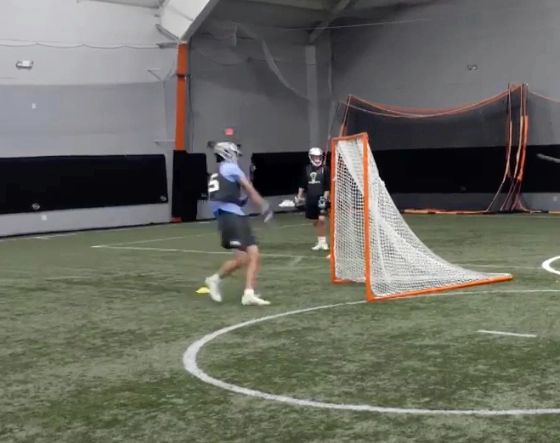
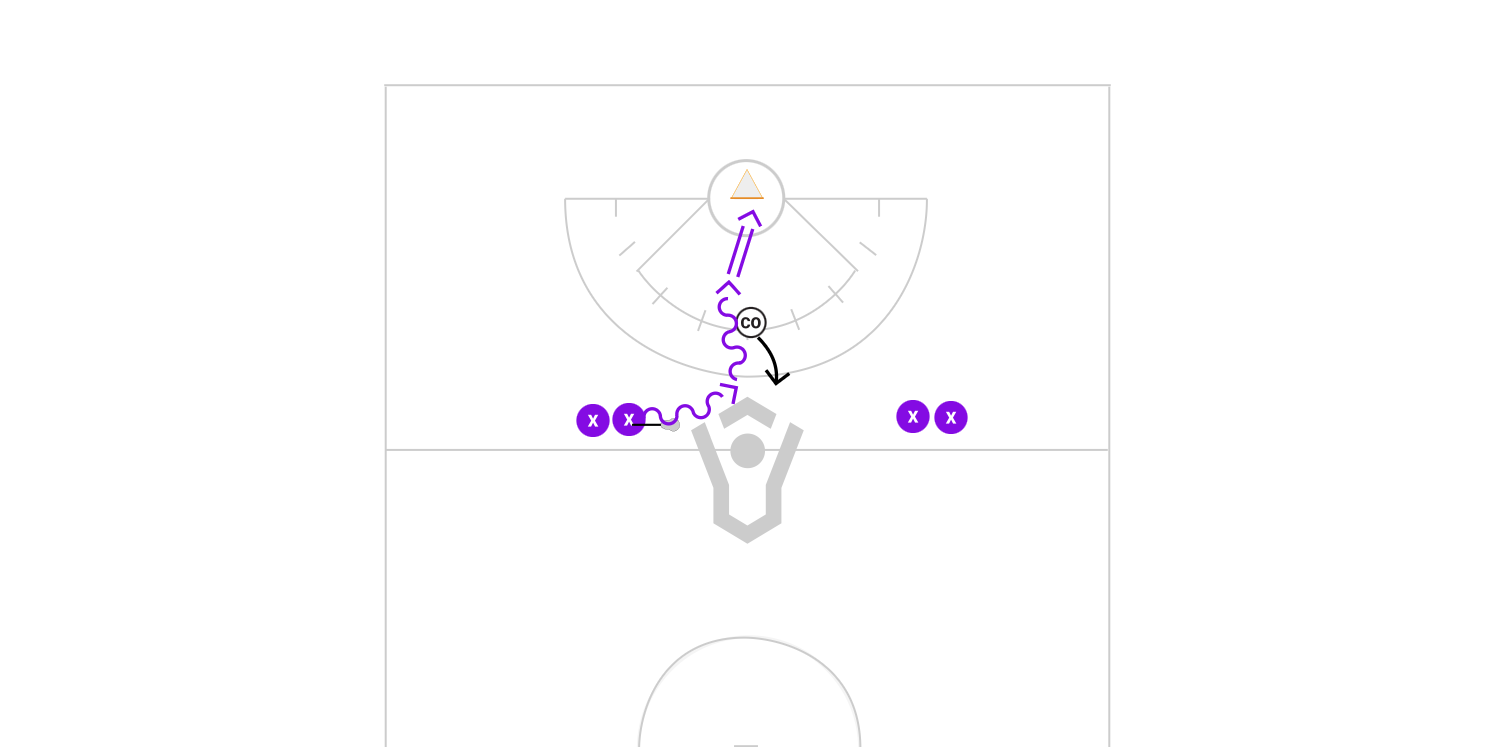
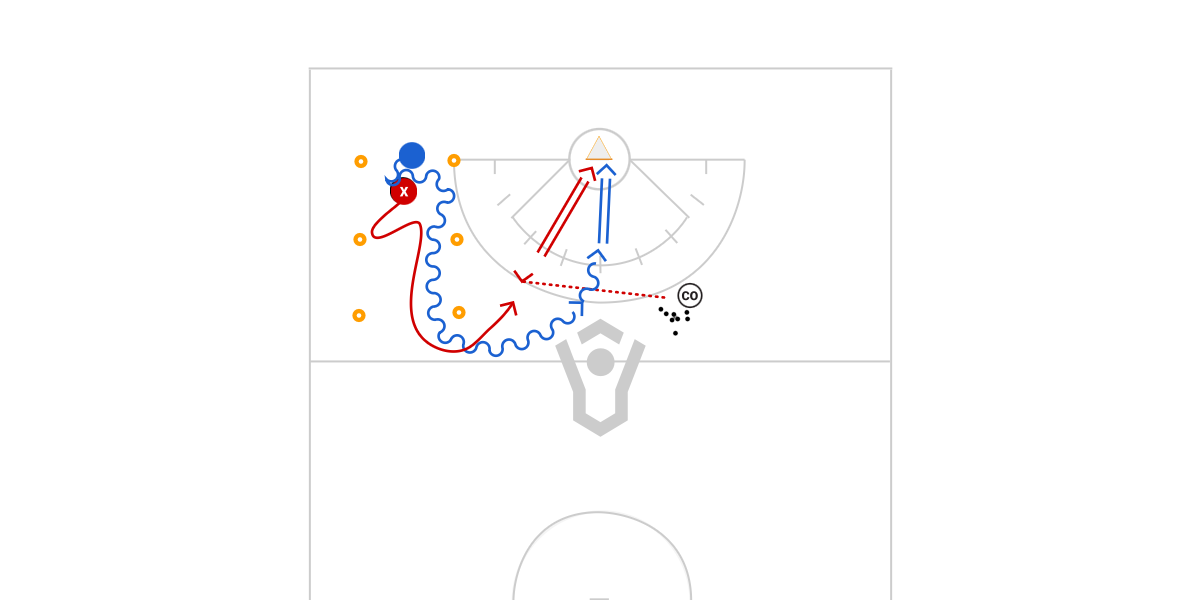
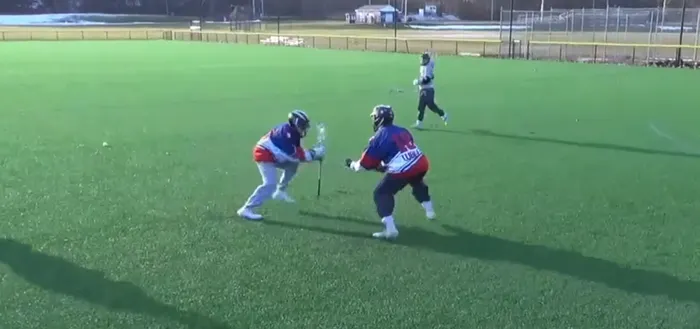
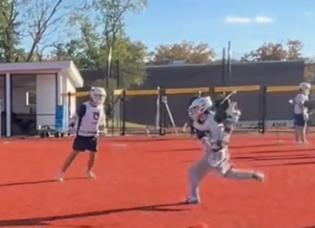
Designed to improve shooting on the run, this drill forces players to change direction, receive passes in stride, and finish accurately under movement.
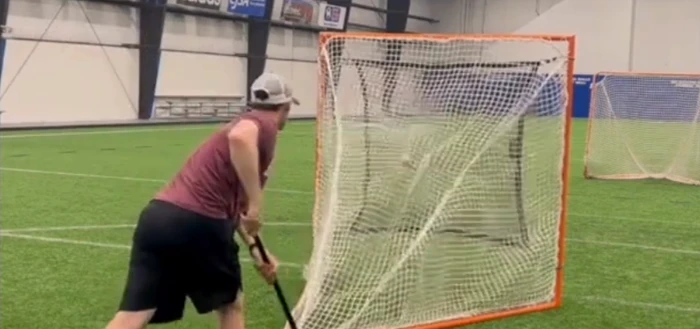
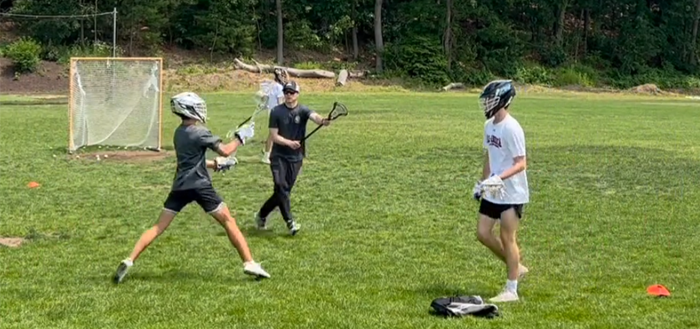
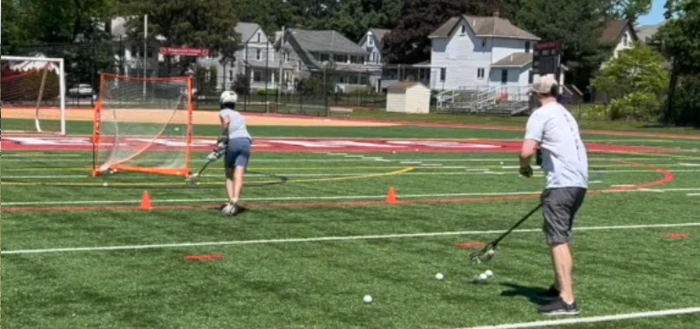
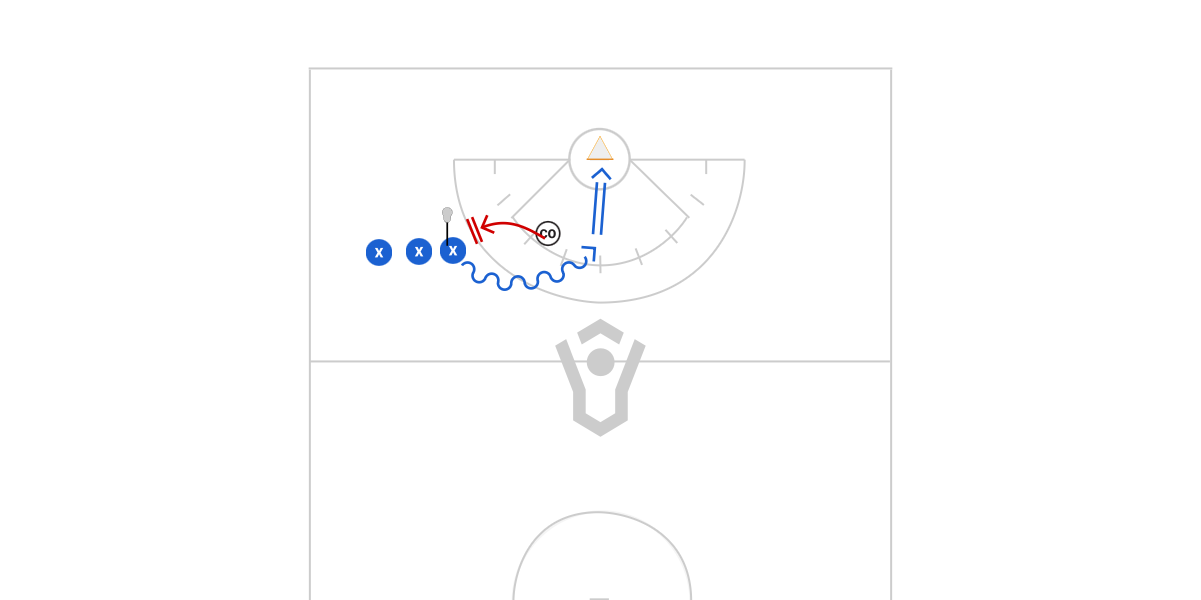
Windup Shooting builds confidence from range by reinforcing proper mechanics and controlled power generation from different field locations.
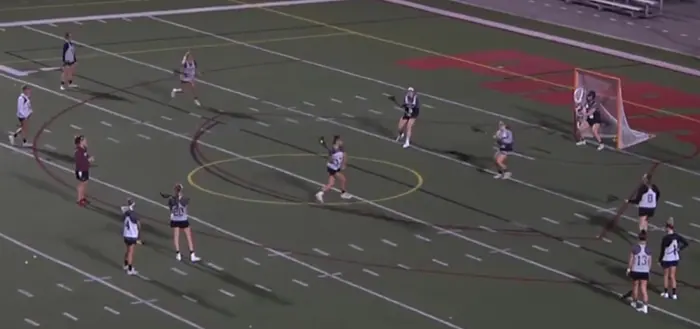
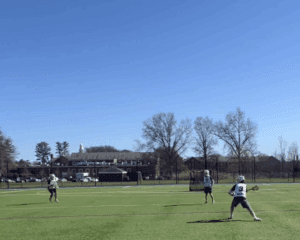
This drill helps players develop outside shooting accuracy while maintaining balance and alignment through the shot.
Shooting success is closely tied to off-ball movement, spacing, and decision making. Players who move without the ball, time their cuts, and stay ready to shoot place constant pressure on defenses. When combined with strong passing and awareness, shooting becomes a weapon that elevates the entire offense.
Improving shooting in lacrosse requires a balance of technique, repetition, and game awareness. Players who commit to practicing a variety of lacrosse shooting drills develop better mechanics, faster releases, and greater confidence under pressure. With consistent training and attention to detail, shooting becomes a reliable skill that produces goals and creates opportunities for teammates.
The most effective lacrosse shots combine accuracy, power, timing, and deception. Great shooters know how to generate velocity through proper mechanics, aim for precise locations, and use head or body fakes to throw off the goalie. Developing all four components ensures consistent scoring under pressure.
Accuracy starts with controlled mechanics and a consistent release. Focus on your follow-through—your stick should point directly at your target after every shot. Practice aiming for corners or low spots near the pipes instead of shooting at the goalie’s body. Repetition and target-based drills are the fastest ways to build accuracy.
Windup Shooting and Stepdown Shooting drills are excellent for developing shot power. These exercises train players to generate force through proper hip rotation, core engagement, and follow-through. Strength training for the legs and core also contributes significantly to more powerful shots.
The C-Drill Shooting is one of the best ways to practice shooting while moving. It simulates in-game conditions where players need to shoot on the run after a dodge or quick cut. Focus on keeping your body balanced, eyes up, and releasing the ball in stride without losing accuracy.
The Hitch and Shoot drill helps players develop deceptive shooting techniques. By faking a shot or pass (“the hitch”), the shooter forces defenders or goalies to react prematurely—creating an opening for a quick, accurate release. This drill builds confidence in using fakes effectively to create scoring chances.
Timing can make or break a shot. Great shooters don’t rush—they read the defense and shoot when the goalie is off balance or out of position. Practicing timing-based drills helps players learn when to release for maximum scoring potential, especially during fast breaks or dodges.
Vary your release points, shot angles, and speeds. Mixing overhand, sidearm, and underhand shots keeps goalies guessing. Combine these variations with subtle head or shoulder fakes to disguise your intent and make your shot less readable.
Common mistakes include shooting without aiming, releasing off-balance, and failing to follow through. Many players also rely too heavily on strength rather than mechanics. Correcting foot placement, body alignment, and shot discipline can dramatically improve both power and consistency.
Creating chances isn’t just about shooting—it’s about positioning and awareness. Move constantly off-ball, look for passing lanes, and time your cuts to receive passes in shooting position. Working on communication and chemistry with teammates leads to higher-quality shot opportunities.
Ideally, shooting should be practiced several times a week. Short, focused sessions (20–30 minutes) with consistent repetition produce better results than long, unfocused ones. Alternate between stationary, on-the-run, and pressure-based drills to improve all aspects of your shooting game.