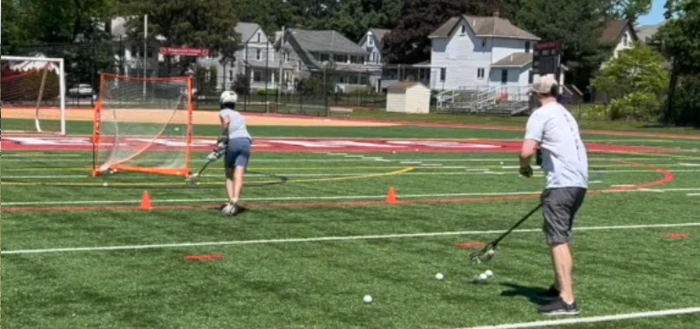
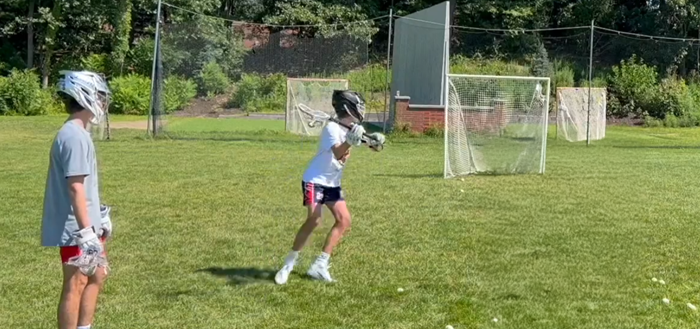
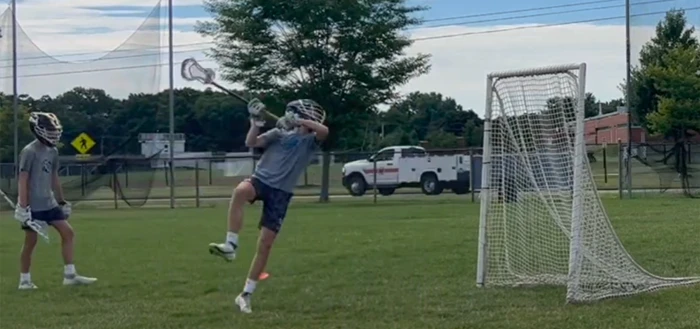
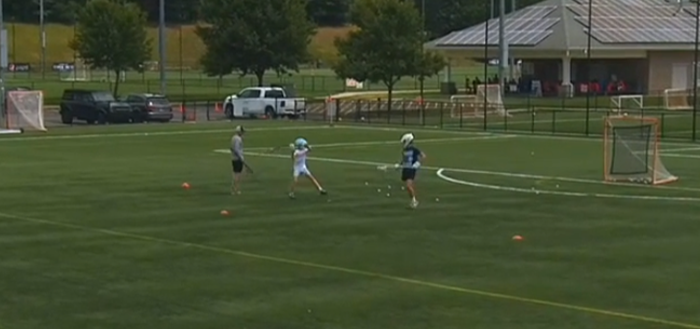
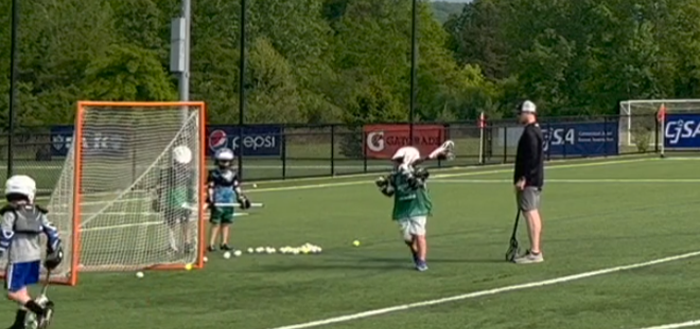
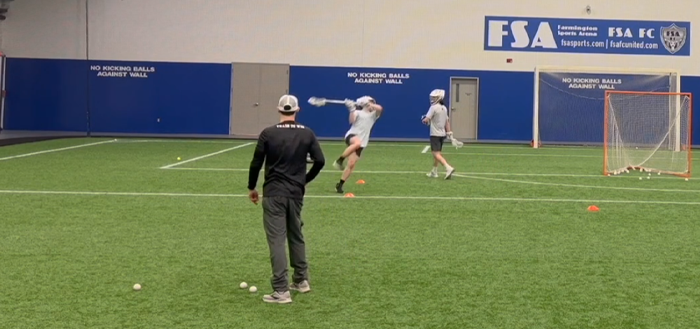
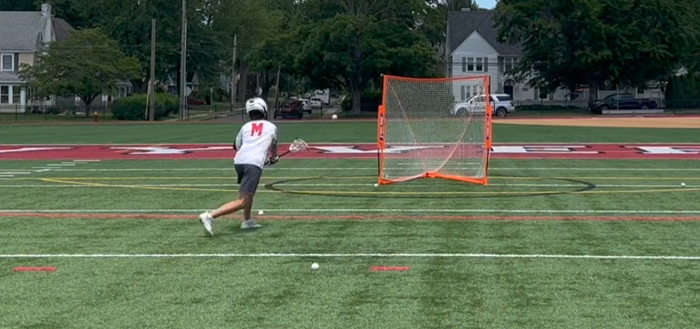
The most effective lacrosse shots combine accuracy, power, timing, and deception. Great shooters know how to generate velocity through proper mechanics, aim for precise locations, and use head or body fakes to throw off the goalie. Developing all four components ensures consistent scoring under pressure.
Accuracy starts with controlled mechanics and a consistent release. Focus on your follow-through—your stick should point directly at your target after every shot. Practice aiming for corners or low spots near the pipes instead of shooting at the goalie’s body. Repetition and target-based drills are the fastest ways to build accuracy.
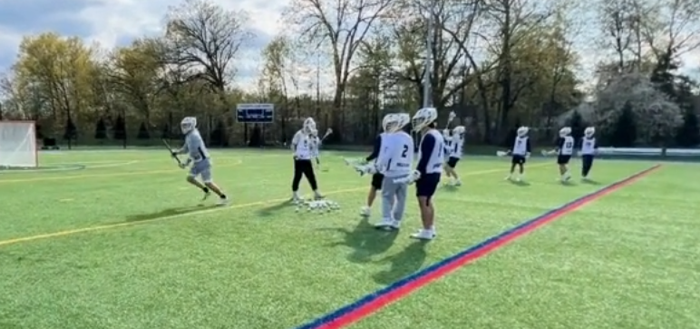
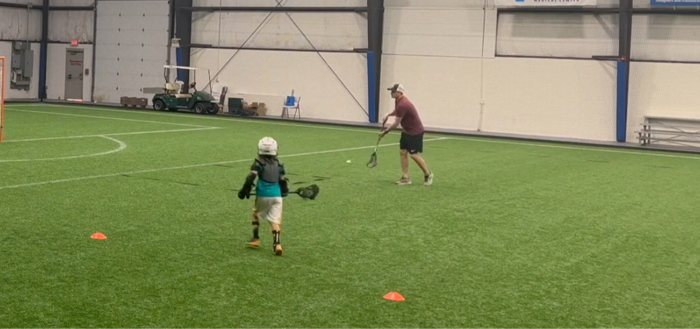
Windup Shooting and Stepdown Shooting drills are excellent for developing shot power. These exercises train players to generate force through proper hip rotation, core engagement, and follow-through. Strength training for the legs and core also contributes significantly to more powerful shots.
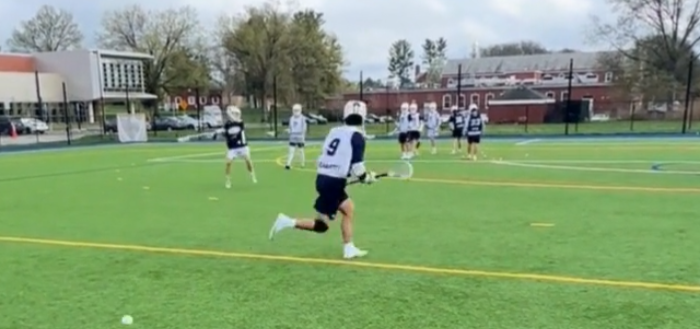
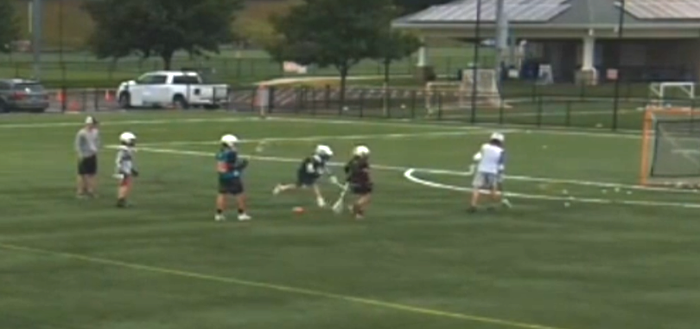
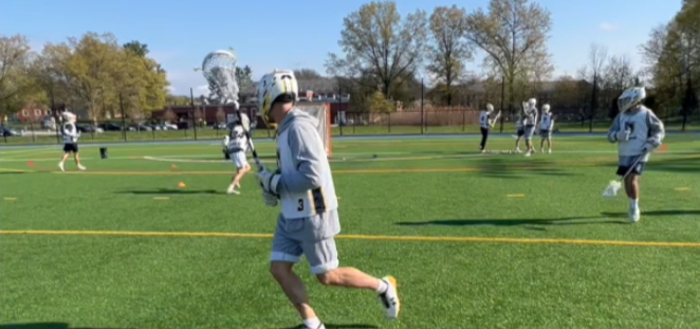
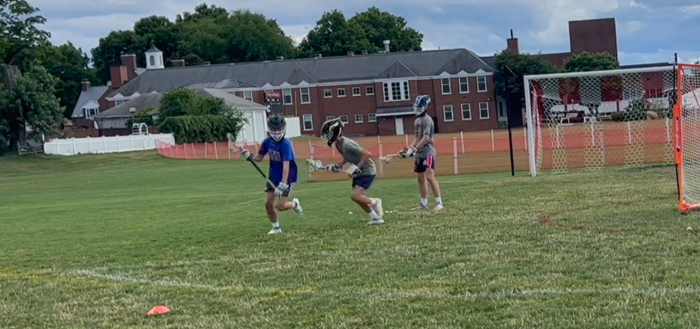
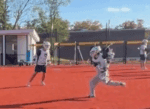
The C-Drill Shooting is one of the best ways to practice shooting while moving. It simulates in-game conditions where players need to shoot on the run after a dodge or quick cut. Focus on keeping your body balanced, eyes up, and releasing the ball in stride without losing accuracy.
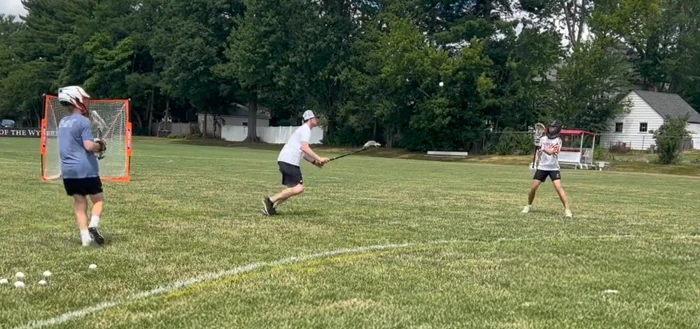
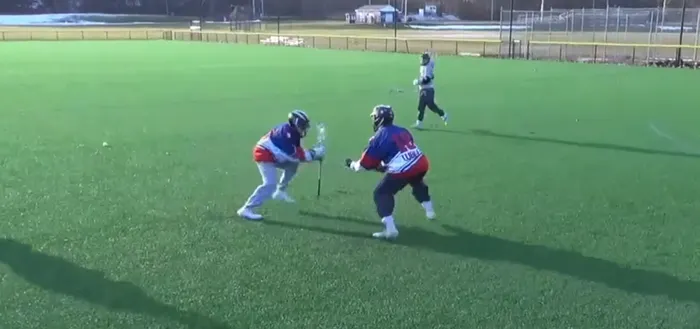
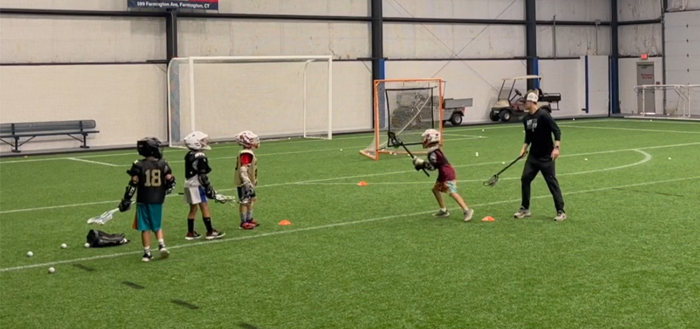
The Hitch and Shoot drill helps players develop deceptive shooting techniques. By faking a shot or pass (“the hitch”), the shooter forces defenders or goalies to react prematurely—creating an opening for a quick, accurate release. This drill builds confidence in using fakes effectively to create scoring chances.
Timing can make or break a shot. Great shooters don’t rush—they read the defense and shoot when the goalie is off balance or out of position. Practicing timing-based drills helps players learn when to release for maximum scoring potential, especially during fast breaks or dodges.
Vary your release points, shot angles, and speeds. Mixing overhand, sidearm, and underhand shots keeps goalies guessing. Combine these variations with subtle head or shoulder fakes to disguise your intent and make your shot less readable.
Common mistakes include shooting without aiming, releasing off-balance, and failing to follow through. Many players also rely too heavily on strength rather than mechanics. Correcting foot placement, body alignment, and shot discipline can dramatically improve both power and consistency.
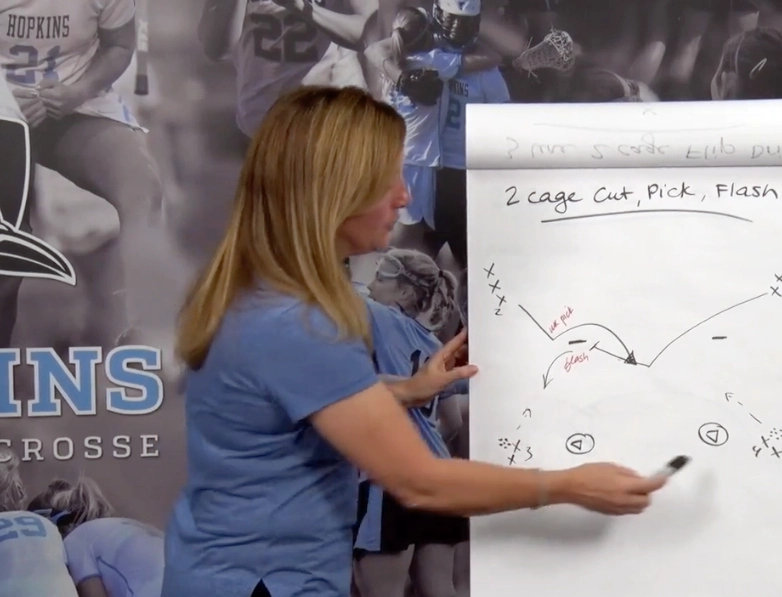
Creating chances isn’t just about shooting—it’s about positioning and awareness. Move constantly off-ball, look for passing lanes, and time your cuts to receive passes in shooting position. Working on communication and chemistry with teammates leads to higher-quality shot opportunities.
Ideally, shooting should be practiced several times a week. Short, focused sessions (20–30 minutes) with consistent repetition produce better results than long, unfocused ones. Alternate between stationary, on-the-run, and pressure-based drills to improve all aspects of your shooting game.