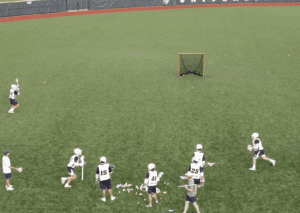
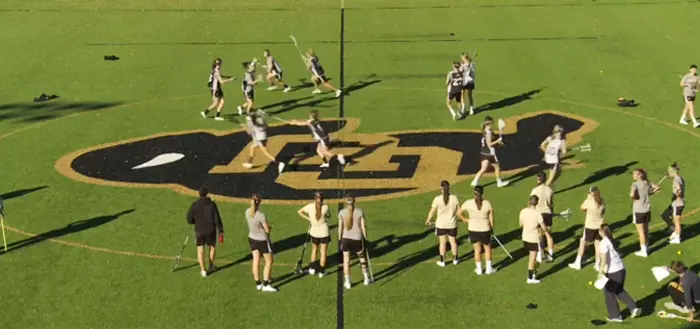
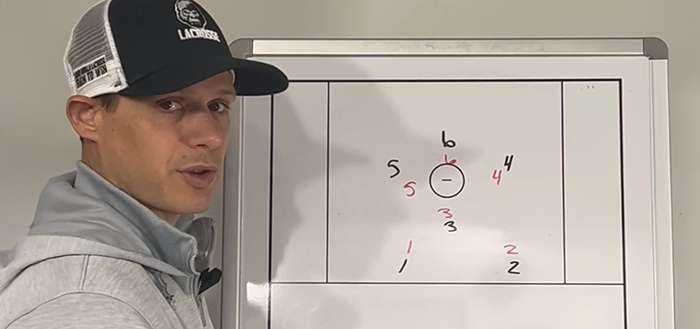
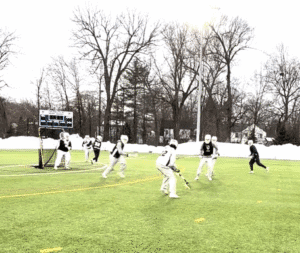
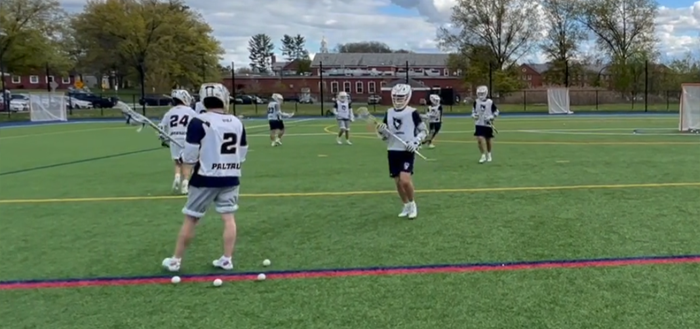
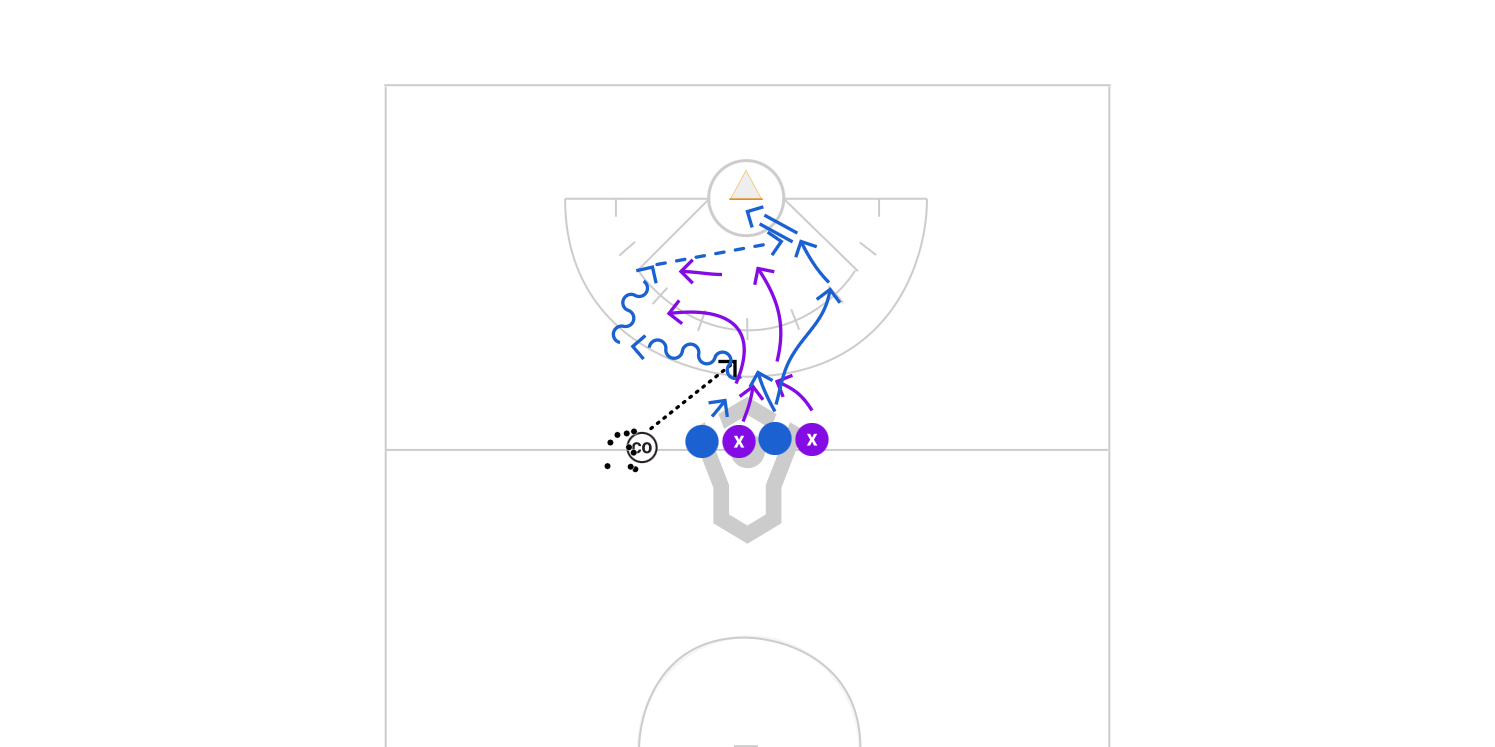
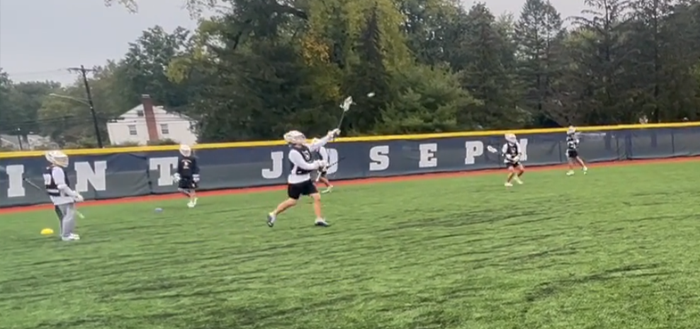
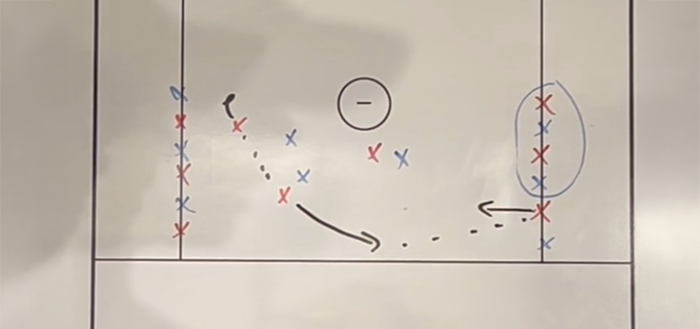
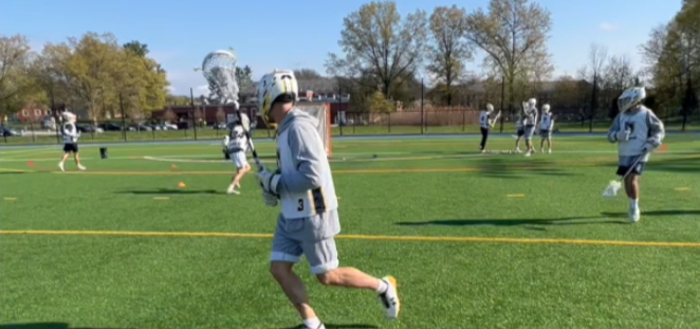
College lacrosse drills are designed around speed, physical contact, and decision-making under pressure. Players have less time and space, so drills must simulate real-game tempo and defensive pressure. Instead of isolated skills, college drills combine passing, movement, communication, and finishing into single sequences that mirror competition.
Both are important, but team concepts are emphasized heavily at the college level. Drills reinforce spacing, communication, and trust so players understand how their decisions affect the entire unit. Concepts from team defense and team offense are often layered into every rep.
Most college programs incorporate high-intensity drills into every practice, adjusting volume based on the season. Early in the week, drills may be longer and more physical. Later in the week, intensity remains high but reps are shorter and more focused. This approach keeps players sharp without overloading them physically.