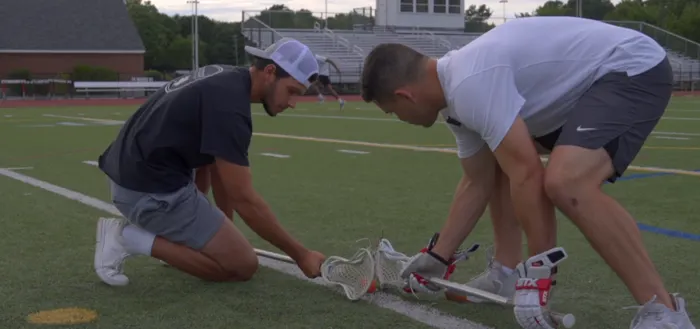
Guided token opponent drills help players practice attacking under controlled defensive pressure. They focus on reading defenders, improving spacing, timing, and decision-making while maintaining structured play. These drills bridge the gap between isolated skill work and live game scenarios, ensuring players execute strategies effectively under pressure.
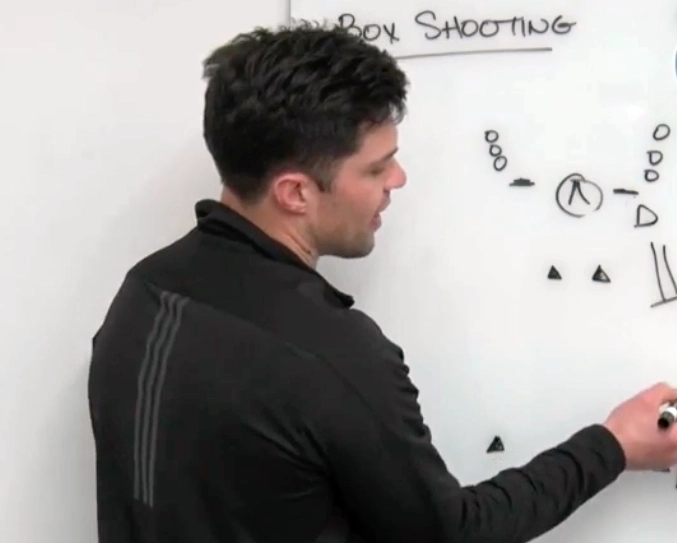
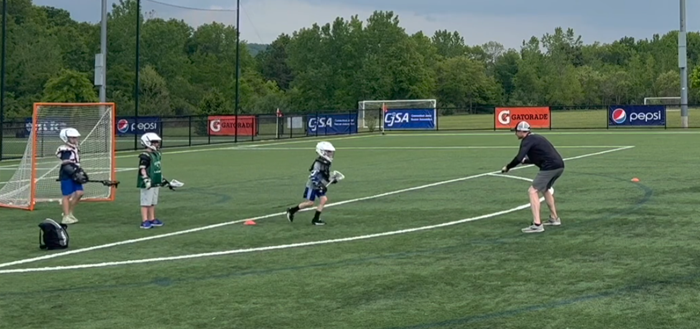
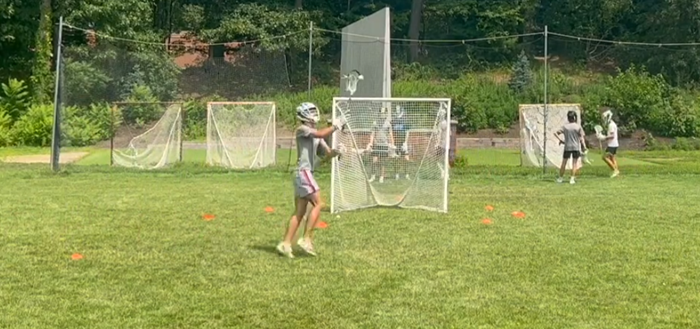
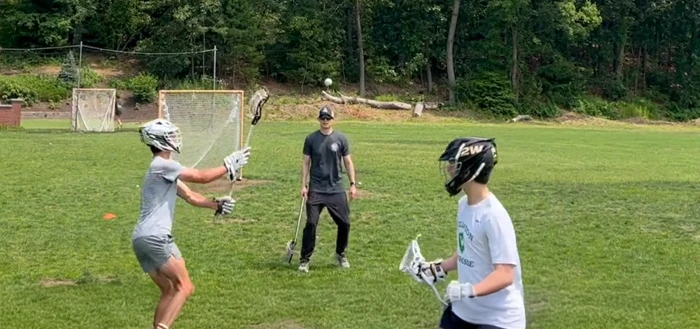
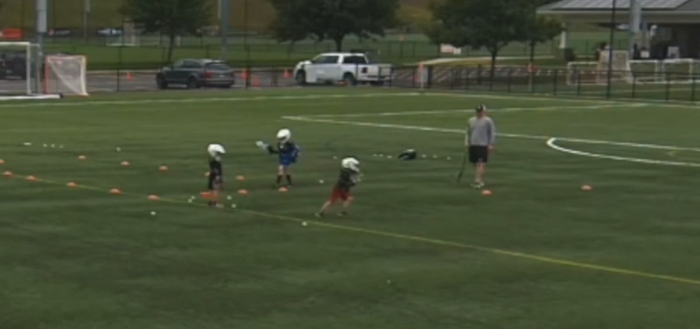
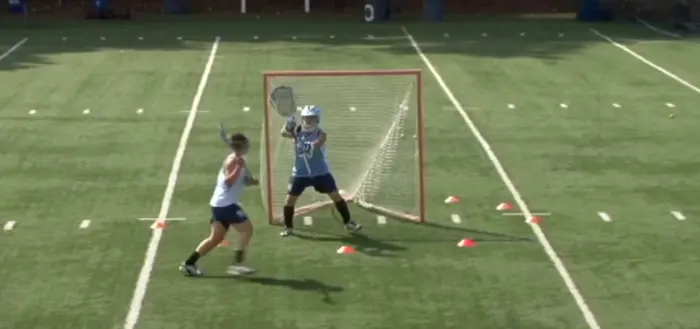
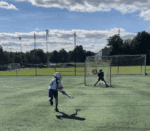
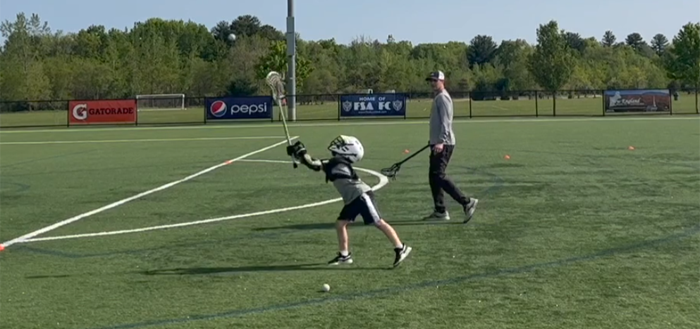
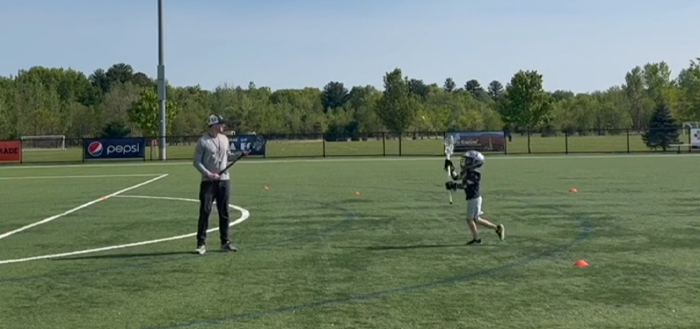
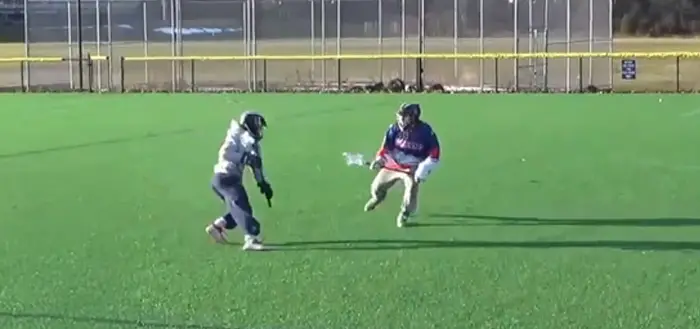
In this drill, an offensive player attacks the cage from the wing while a defender chases. The offensive line starts slightly ahead, and on the coach’s whistle, both players move to a top cone as a ball is delivered. The defender may approach high side, low side, or neutral. Players learn to read the defender, choose the correct shooting angle, or pass to maximize scoring opportunities.
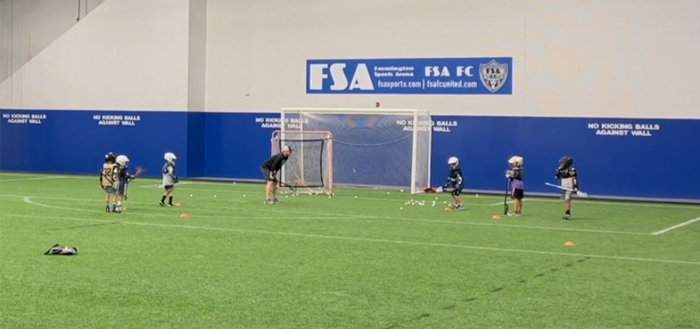
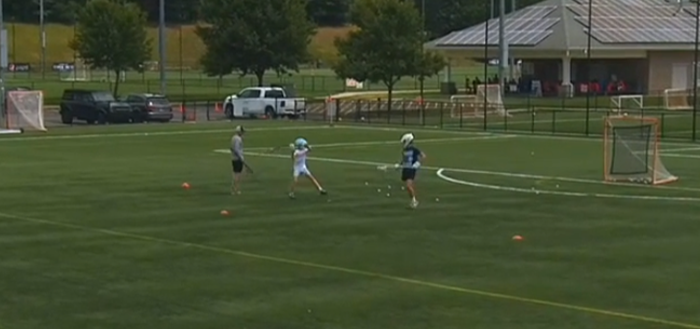
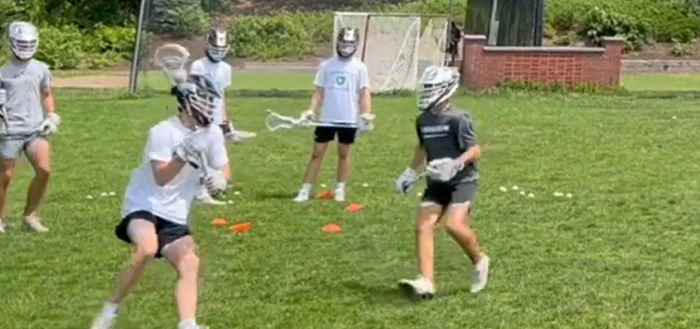
This drill emphasizes movement, spacing, and shooting off a drift. Players practice step-downs or hand exchanges to gain separation from defenders. It improves timing, passing, and shooting accuracy while reinforcing communication and coordination between teammates in offensive scenarios.
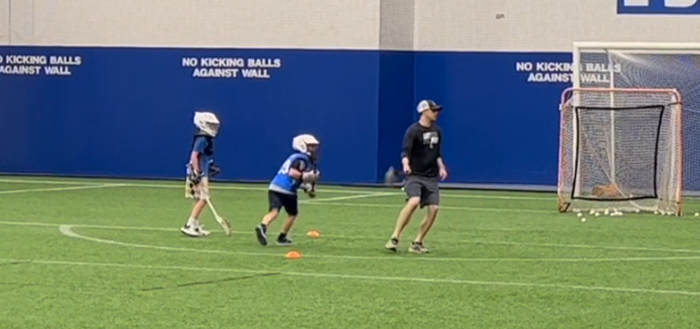
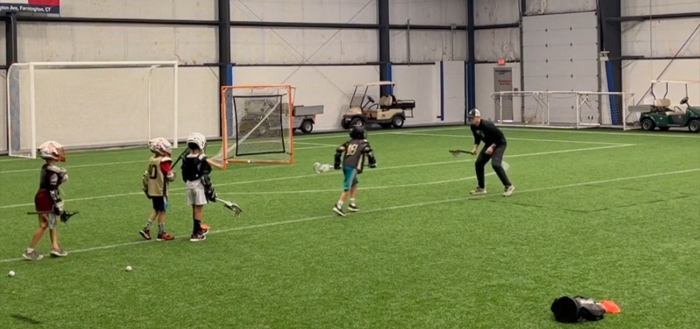
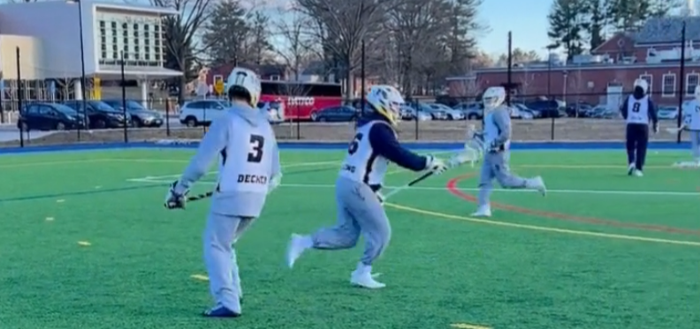
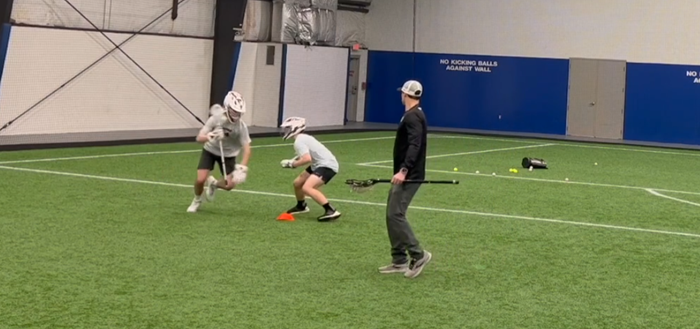
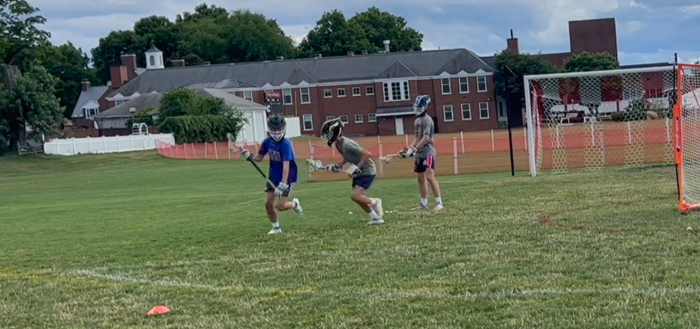
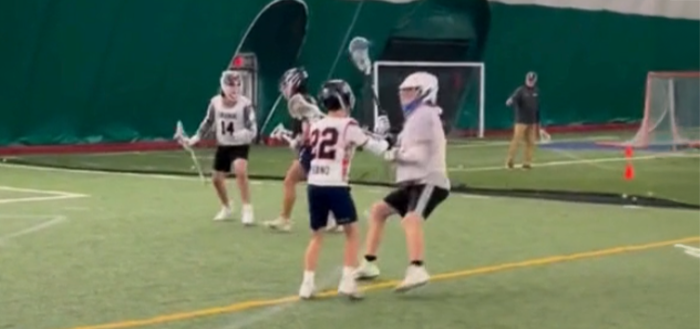
This drill introduces attacking in uneven situations, where two offensive players face one defender. Athletes learn to read defensive positioning, decide when to shoot or pass, and exploit mismatches. It builds recognition skills critical for effective decision-making in real-game situations.
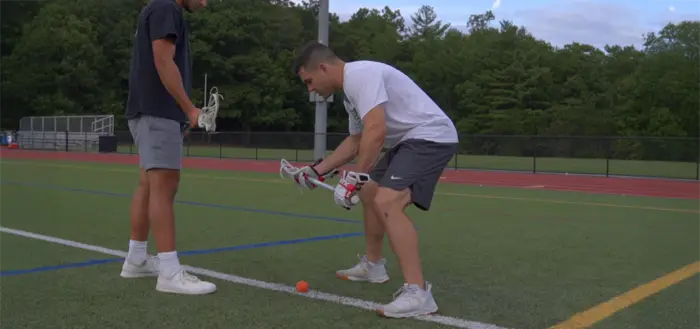
This drill trains players to be deceptive attackers. Athletes practice evasive passes, fakes, and shots to mislead defenders. It teaches them to combine shooting and passing options effectively, encouraging creativity and adaptability while under pressure.
For optimal improvement, these drills should be incorporated into regular practice sessions 2–3 times per week. Consistent repetition strengthens decision-making instincts, spacing awareness, and shooting accuracy, while providing a safe environment to experiment with offensive moves before live games.
Yes. Beginners gain confidence in basic positioning and decision-making, intermediates improve spacing and reading defenders, and advanced players can focus on lacrosse IQ, deceptive moves, and rapid situational adjustments. Coaches can scale difficulty by adjusting defender aggressiveness or adding additional offensive/defensive players.