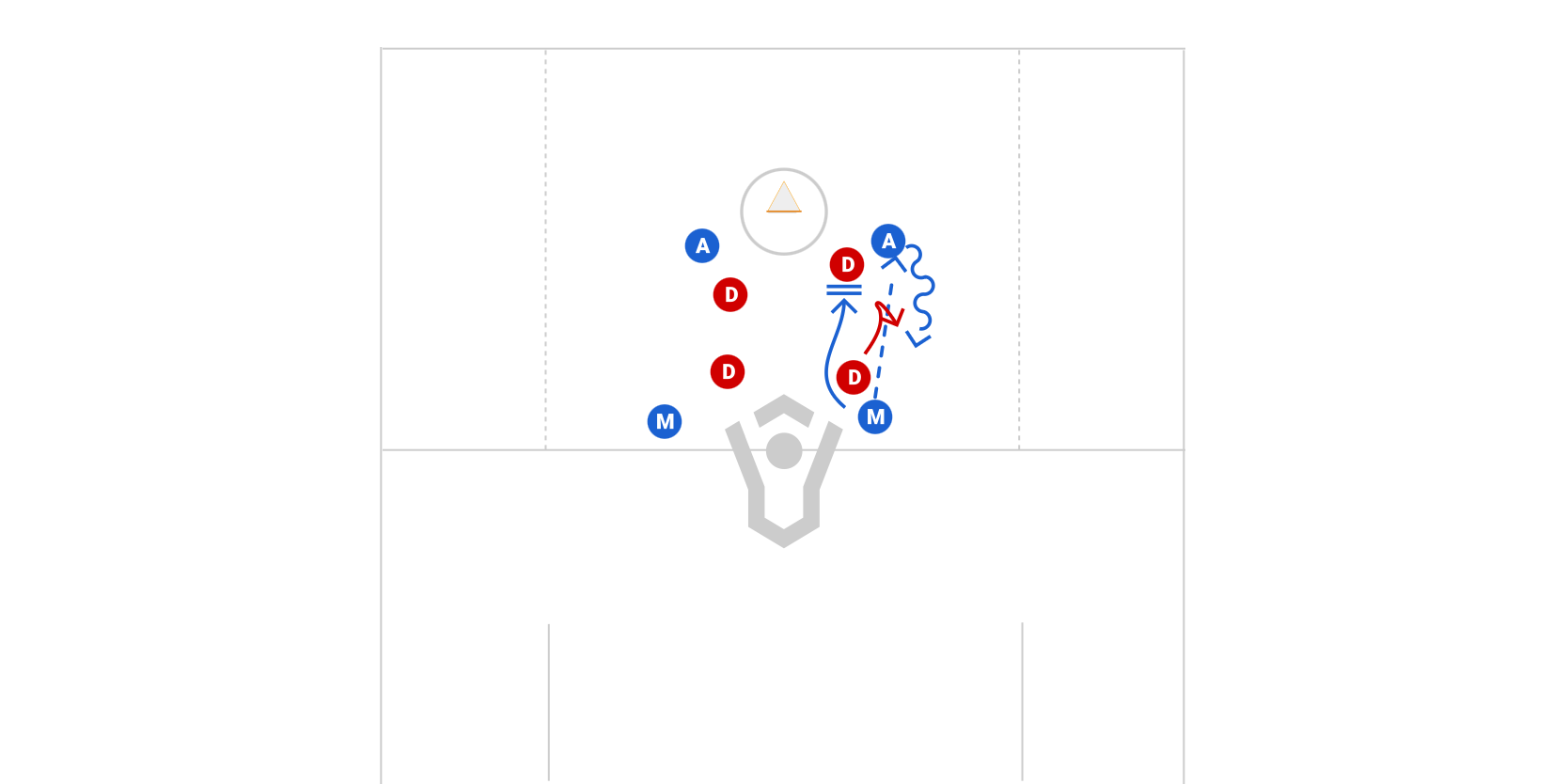
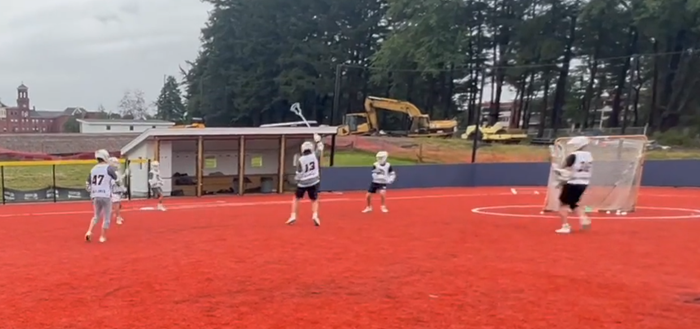
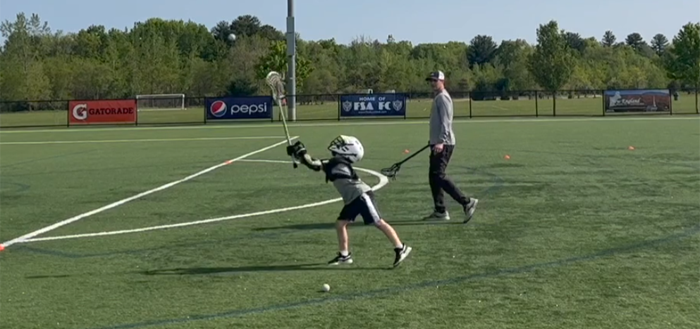
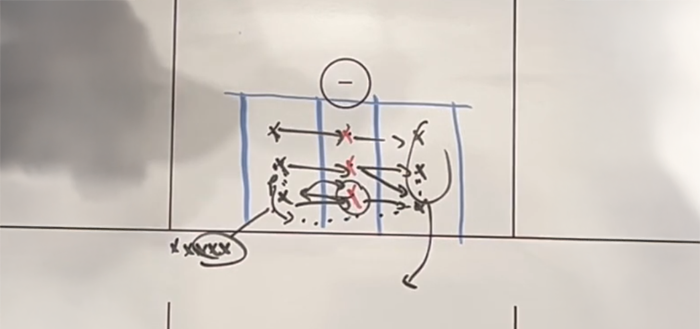
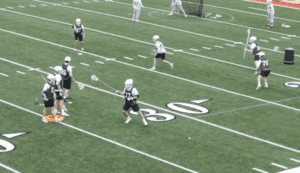
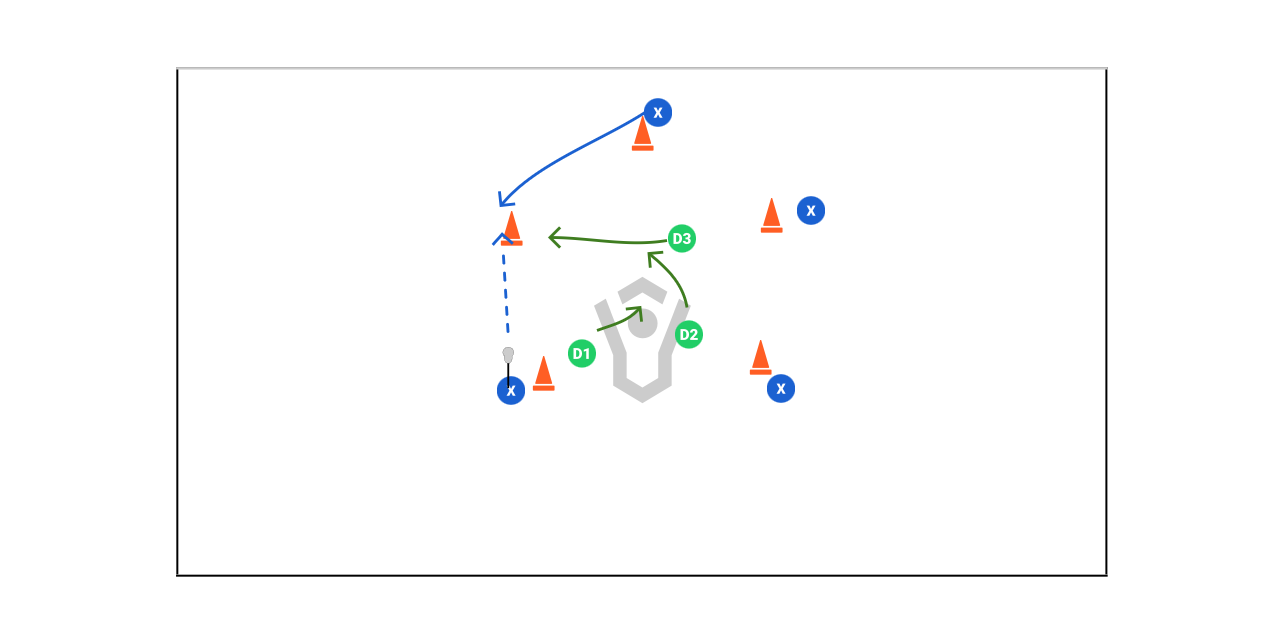
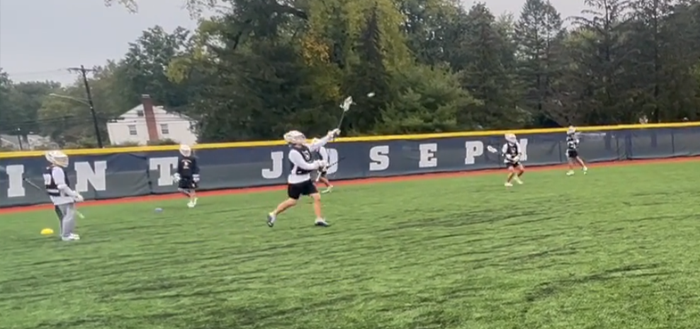
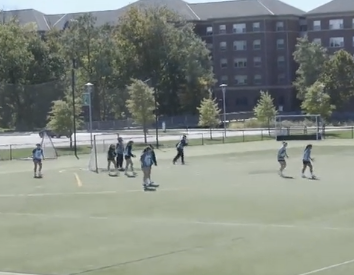
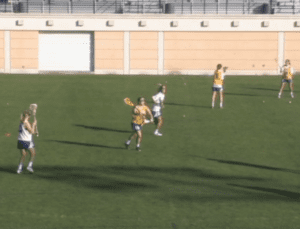
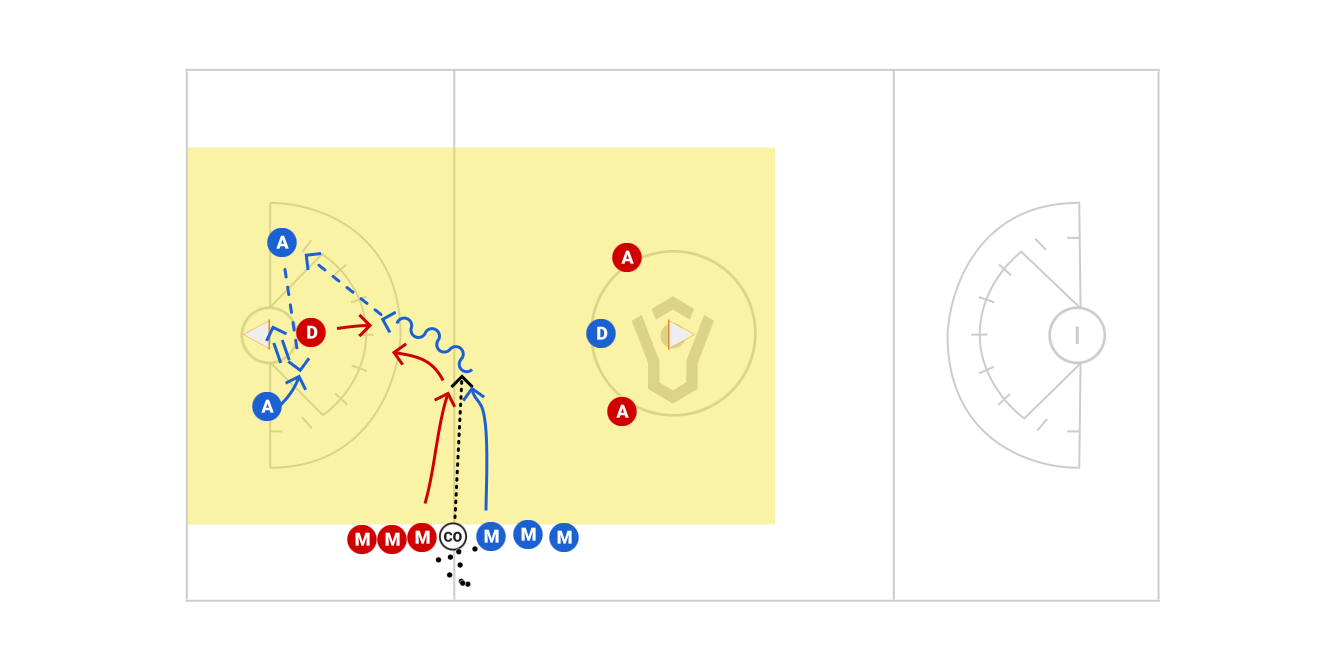
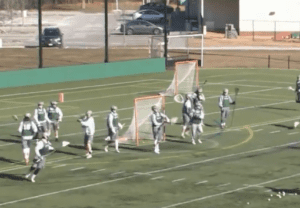
Whether you’re coaching a youth team or preparing college athletes for game-day intensity, strong defense starts with smart, disciplined practice. This page is your go-to source for defensive drills for lacrosse — curated to improve footwork, positioning, communication, and reaction time at every level of play.
Our defensive lacrosse drills span from beginner-friendly fundamentals to advanced drills used by elite college programs. Each drill is categorized by age group to help coaches and players quickly find the right fit:
Each drill includes instructions, video examples, and recommended variations for different age levels and team sizes.
Offense gets the highlights, but defense wins championships. Mastering lacrosse defense drills teaches players how to anticipate movement, communicate under pressure, and dictate the pace of the game. Whether you’re coaching a man-down unit or training a young player in defensive fundamentals, our resources will help you build athletes who are confident and controlled under pressure.
Looking for advanced defensive lacrosse drills for college-level play? We’ve got you covered. These drills focus on game-speed rotations, advanced slide communication, and countering complex offensive systems. They’re ideal for NCAA-level coaches, travel programs, and athletes preparing for college recruitment.
For each college-level drill, you’ll find detailed breakdowns of setup, progression, and competitive variations that simulate real-game tempo and field conditions.
We recommend building your practice around a core theme. Start with warm-up positioning drills, move into 1v1 or 2v2 containment work, and finish with full-field defensive rotations or scrimmages. Use our filters to browse drills by age group, number of players, or skill type, so your sessions stay sharp and effective.
Ready to level up your team’s defensive play? Browse our complete collection of lacrosse defense drills and build smarter, faster defenders at any level. Whether you need half-field setups, crease protection techniques, or full-team zone drills, everything you need is right here.
The foundation of great lacrosse defense starts with proper stance, footwork, and body positioning. Players should stay balanced, keep their stick up, and move laterally to guide attackers away from dangerous areas. Communication and anticipation are equally vital — defenders must constantly talk, slide, and recover as a unit to maintain structure and prevent breakdowns.
Defensive drills should be part of every practice, regardless of level. Younger teams can focus on 10–15 minutes of positional and footwork drills, while high school and college programs may dedicate 30–45 minutes to team rotations, slides, and situational play. Consistent repetition helps players build muscle memory and confidence under game pressure.
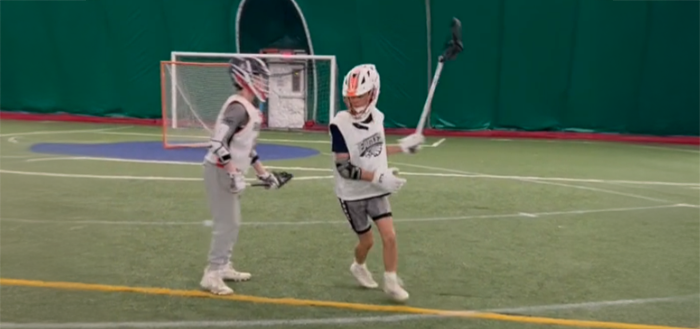
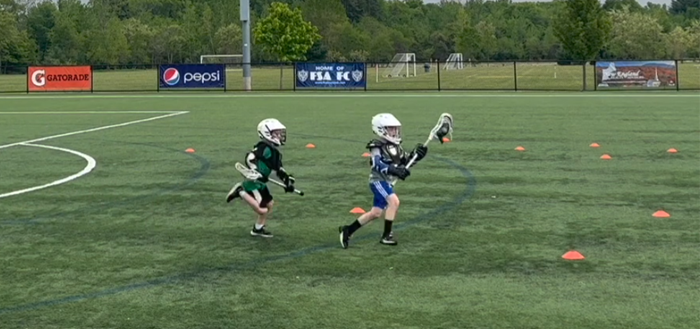
For U12 and beginner players, the best defensive lacrosse drills focus on stance, stick positioning, and controlled movement. Simple 1v1 shadowing, cone footwork patterns, and “mirror” drills help young players learn how to stay in front of their opponent without overcommitting. These basics form the core for future defensive success.
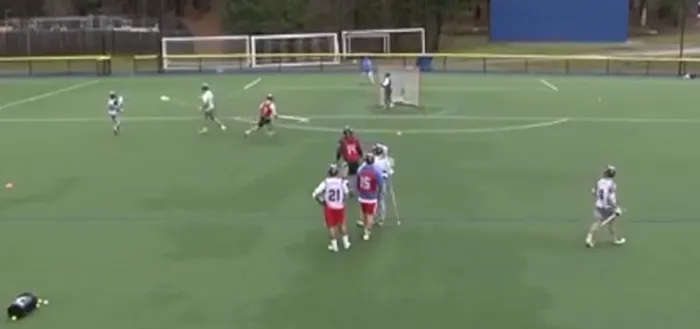
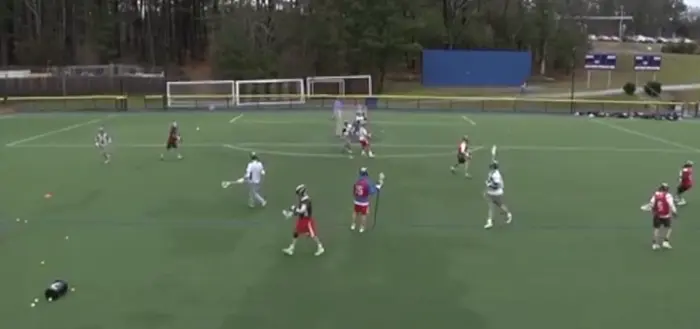
High school programs should combine individual containment drills with small-group communication work. Focus on 2v2 and 3v3 slide drills, transition defense, and zone rotations to simulate game scenarios. Encouraging defenders to call out slides and recoveries improves chemistry, awareness, and trust among teammates — key traits for elite-level defense.
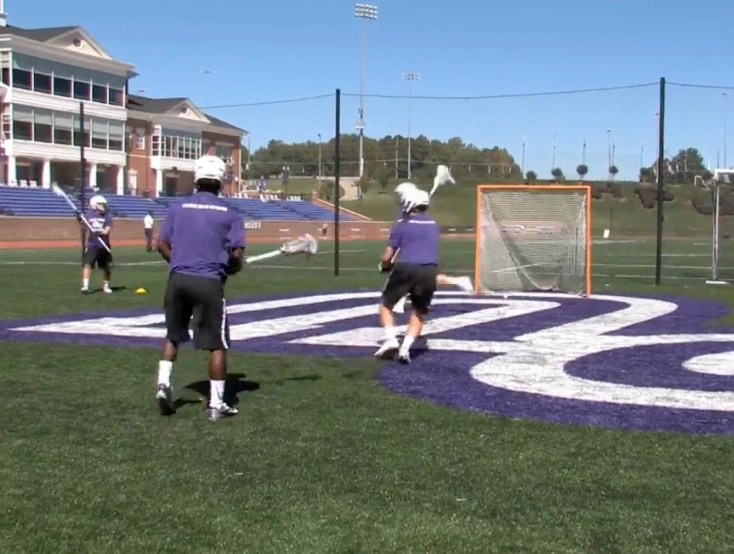
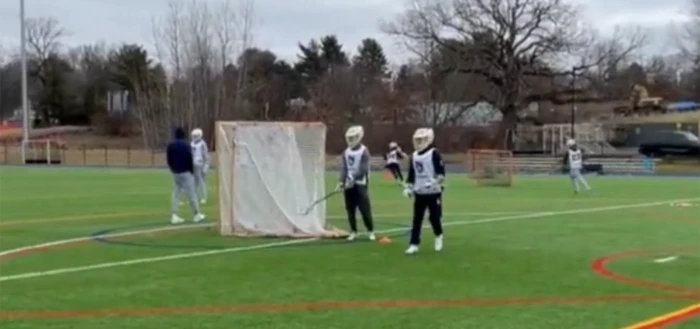
College defensive drills are played at a higher tempo with more emphasis on reaction speed, slide timing, and countering advanced offensive systems. These sessions typically use full-field transitions, rotating man-down units, and live scrimmage segments that replicate real-game conditions. The goal is to build defenders who can think, communicate, and recover instantly.
Start each session with warm-up positioning and footwork, then progress into 1v1 or 2v2 containment work. Finish with half-field or full-field team rotations and competitive scrimmages. Grouping drills by theme — such as slides, clears, or communication — keeps practices efficient and ensures players develop both technique and teamwork in every session.
Defensive communication keeps everyone connected. It prevents confusion during slides, helps defenders rotate efficiently, and allows goalies to direct traffic. Teams that talk on defense move as one unit — closing gaps, forcing turnovers, and controlling the tempo of the game. The best defensive units are the loudest ones on the field.