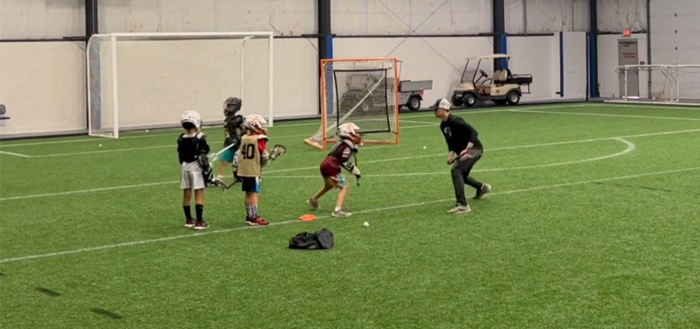
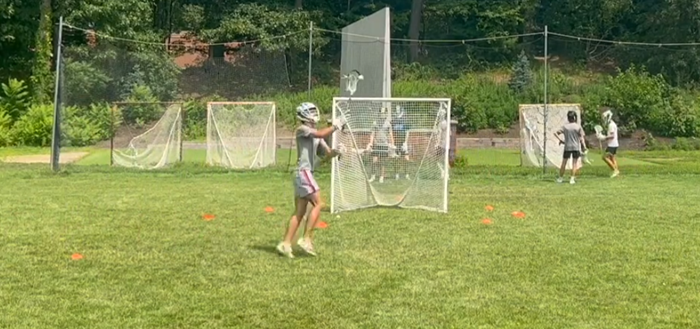
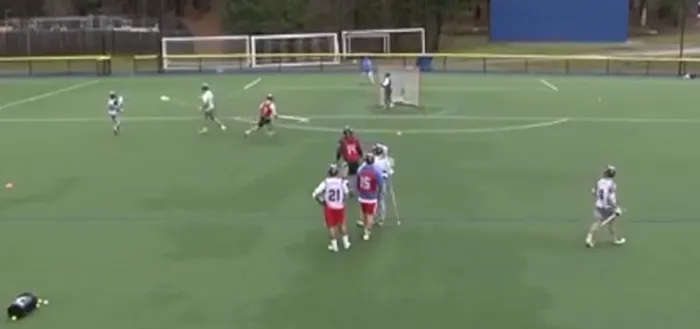
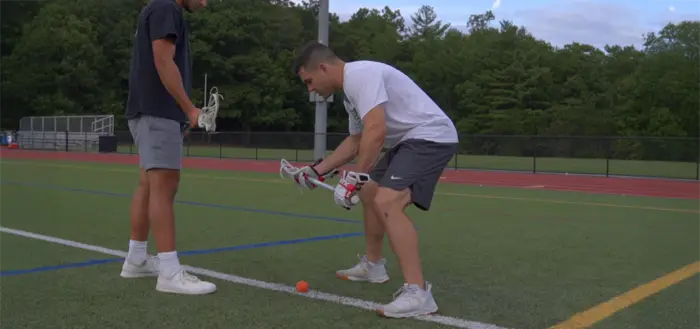
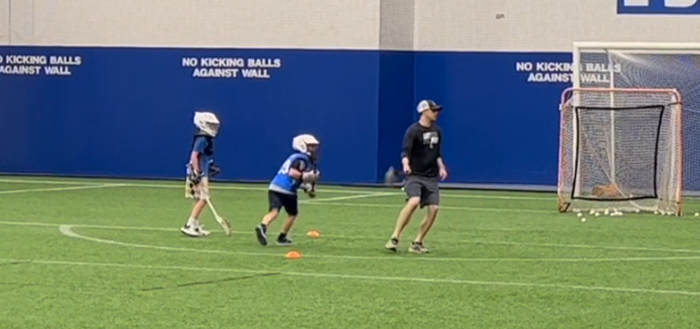
Practicing guided drills with a token opponent helps players improve decision-making, shooting, and passing while reacting to a controlled defensive presence. These drills emphasize reading defenders, timing movements, and executing plays with precision. By simulating defensive pressure in a guided format, athletes gain confidence in attacking situations while learning to anticipate defender reactions.
Token opponent drills are ideal for both attackers and midfielders to practice spacing, shot selection, and evasive maneuvers without the intensity of full-contact play. Players focus on reading the defense, choosing the right passing lanes, and creating scoring opportunities while maintaining proper positioning. This structured environment allows coaches to correct mistakes in real-time and reinforce good habits.
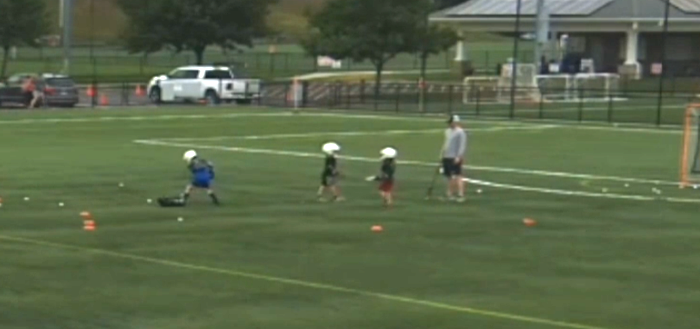
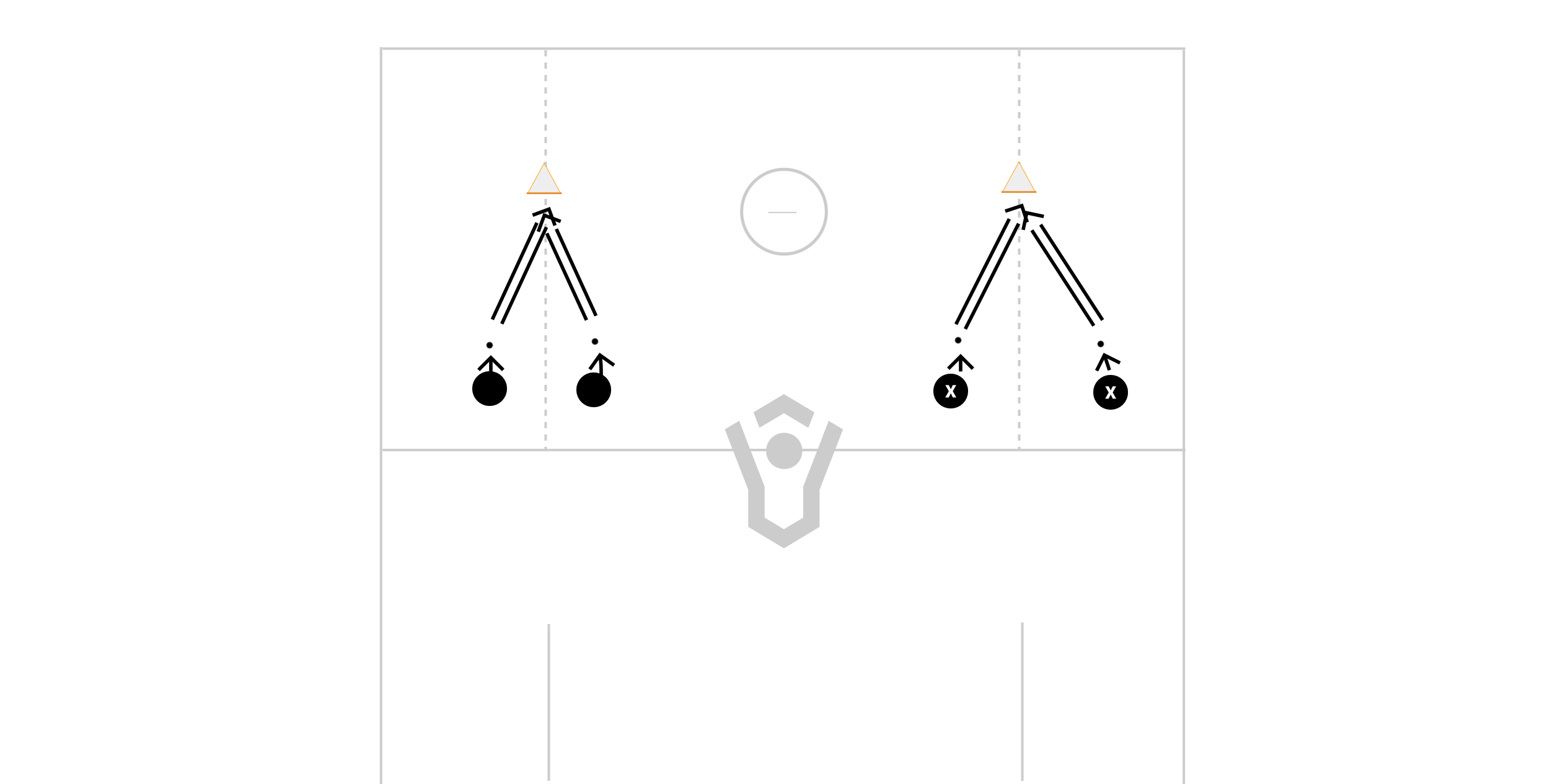
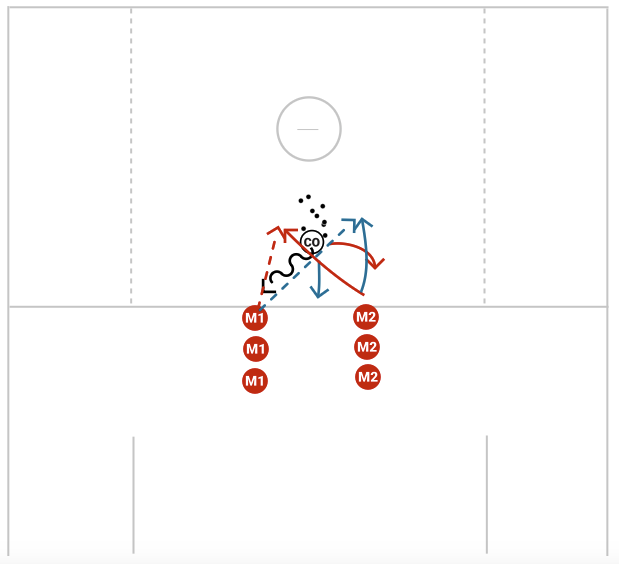
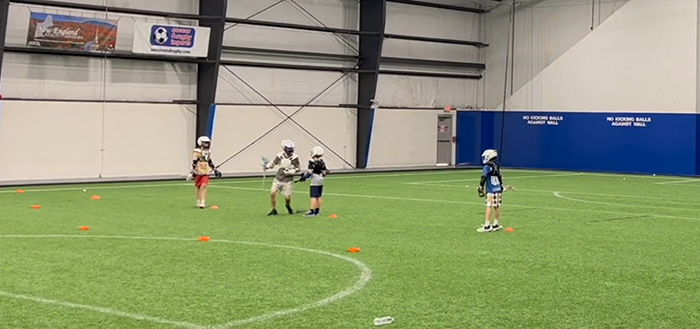
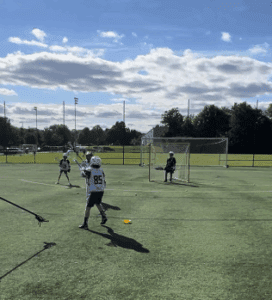
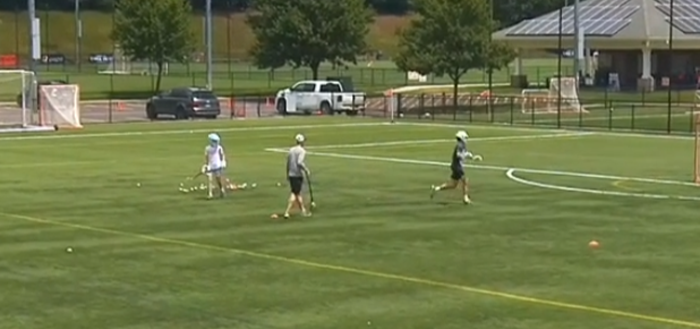
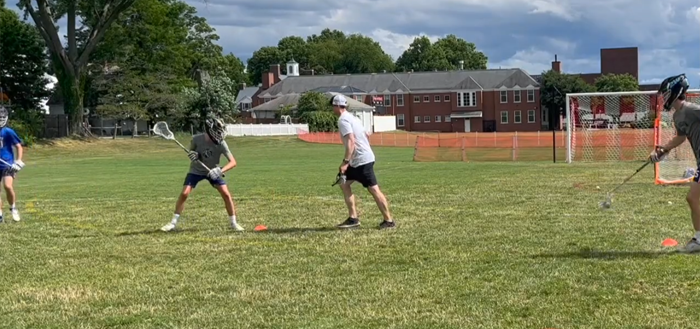
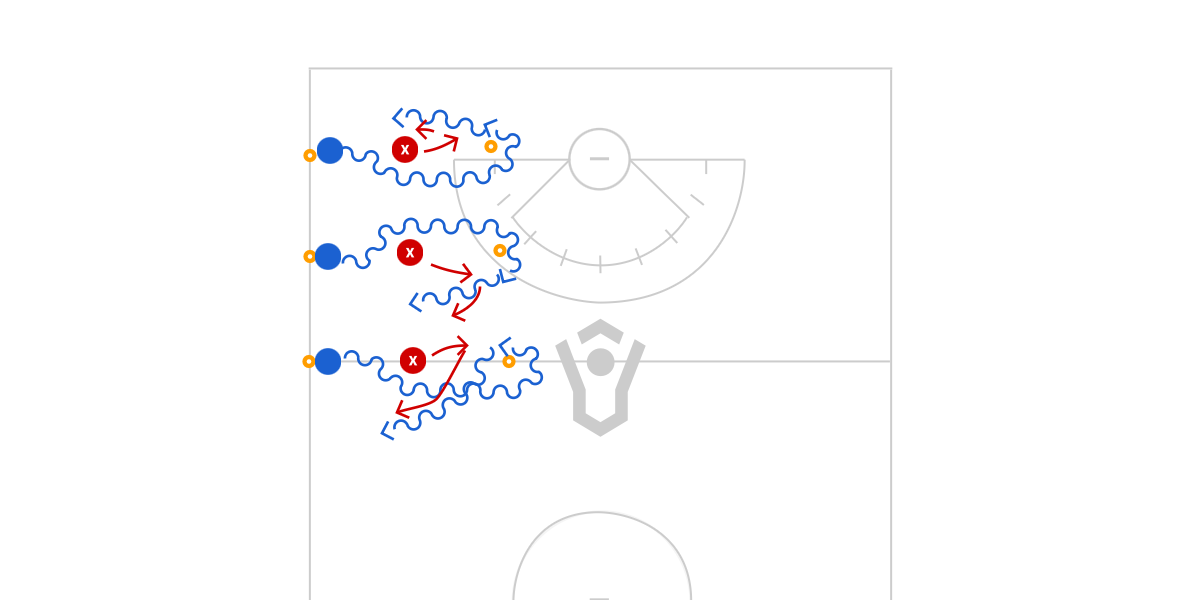
This drill teaches players to attack the cage from the wing while reading a defender’s movement. Set up two lines on the side of the field, with the offensive line slightly ahead. On the whistle, both players move to a top cone as a coach throws a ball to the offensive player. The defender can approach high side, low side, or neutral. Players learn to react dynamically, selecting the appropriate shot or pass based on the defender’s approach.
Common misconception: Some players rush the shot. Success comes from patience, observing the defender, and choosing the right angle for an effective scoring opportunity.
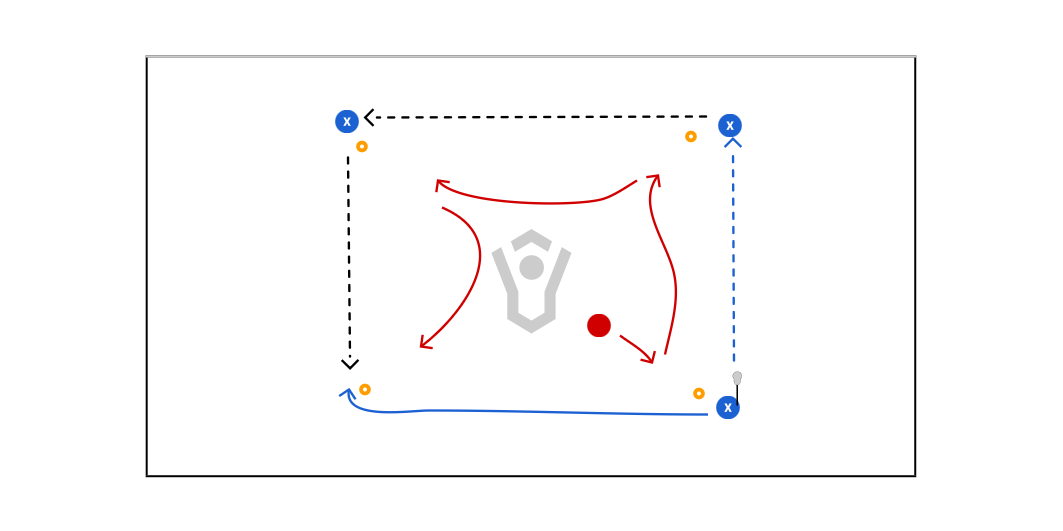
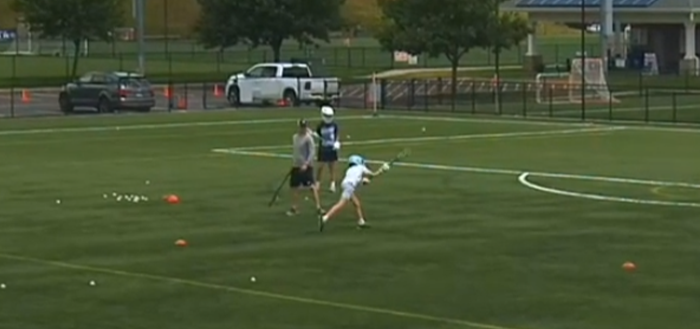
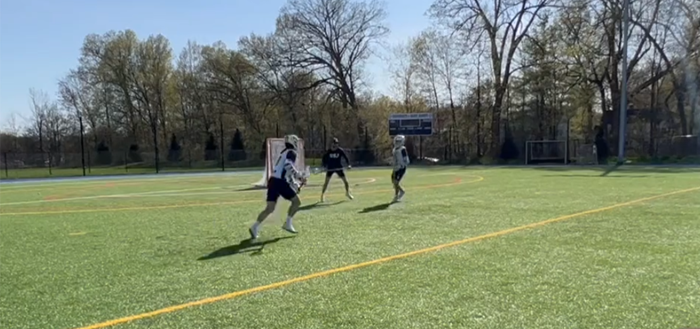
This drill emphasizes spacing, timing, and shooting off a drift. Players can use a step down or hand exchange to create separation from the defender. Athletes practice reading defensive positioning while maintaining fluid movement, preparing them for live attack scenarios.
Pro tip: Focus on smooth hand-offs and communication between players to maximize scoring opportunities. Drifting incorrectly reduces shooting efficiency and can lead to turnovers.
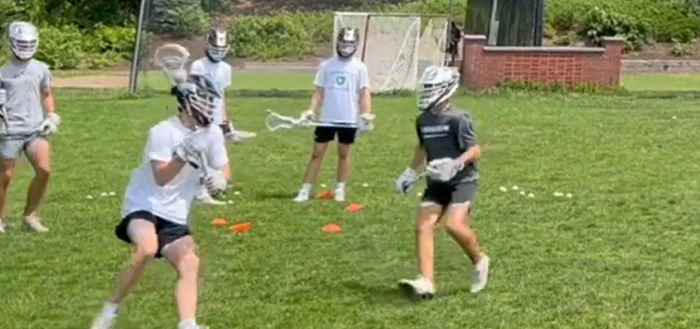
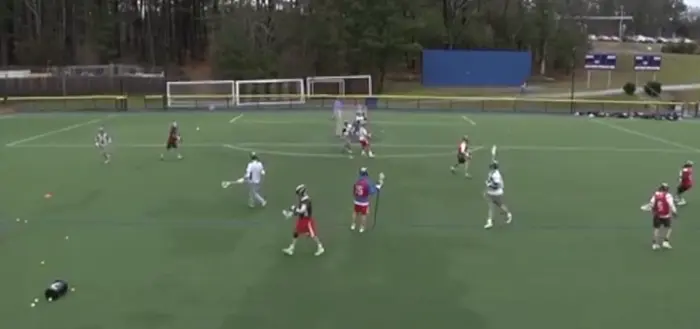
Introduce reading the defense in uneven situations. Two attackers face a single defender, emphasizing decision-making under pressure. Players learn when to pass, dodge, or shoot based on defender positioning and movements.
Key insight: The drill encourages recognition skills, helping players understand how to exploit mismatches and make quick, effective decisions.
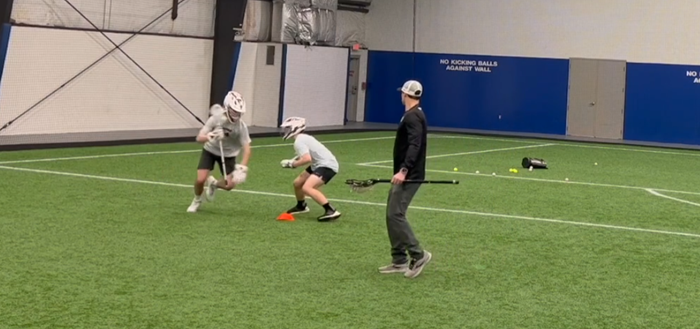
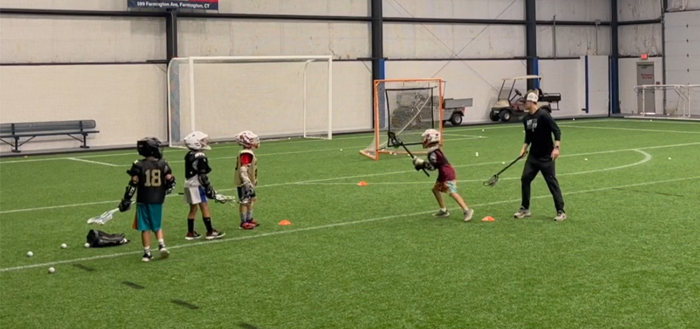
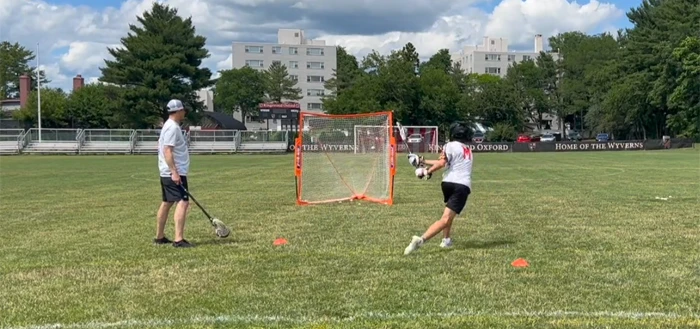
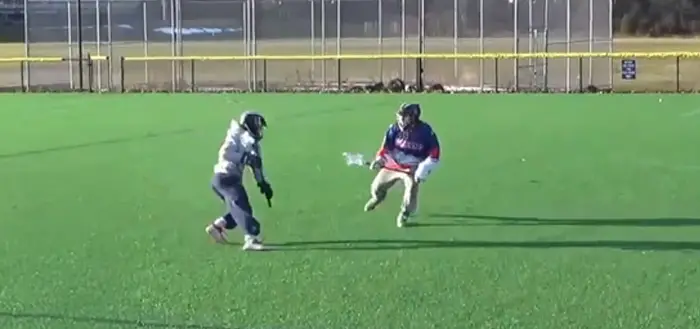
This drill develops deceptive offensive skills. Players practice evasive passes and shots, learning to mislead defenders and create scoring opportunities. It teaches attackers not just to shoot, but also to identify passing options and read defensive reactions.
Coaching tip: Encourage attackers to vary their moves and use fakes to force the defender to commit, creating openings for high-percentage shots or quick passes.
Token opponent drills bridge the gap between static drills and live game scenarios. They allow players to experience defensive pressure while still maintaining a structured environment. This combination helps athletes improve anticipation and recognition, spacing, and timing, preparing them to react instinctively during games.
These drills also address common misconceptions, such as the idea that speed alone creates scoring opportunities. In reality, success comes from patience, reading defenders, and making decisions that balance risk and reward. By repeating these drills consistently, players internalize decision-making processes that translate directly to improved performance under game conditions.
Coaches can layer guided drills with positional exercises. Attackers focus on shooting and dodging, midfielders practice reading defense and transitional movement, and defenders can observe and react to attacker patterns. Advanced players may integrate these drills with lacrosse IQ exercises to enhance field vision, anticipation, and overall decision-making.
By embedding token opponent drills into every practice, athletes develop sharper instincts, maintain proper spacing, and improve composure under pressure. Over time, this leads to more confident, versatile, and game-ready lacrosse players who can handle various offensive and defensive situations effectively.
Guided token opponent drills help players practice attacking under controlled defensive pressure. They focus on reading defenders, improving spacing, timing, and decision-making while maintaining structured play. These drills bridge the gap between isolated skill work and live game scenarios, ensuring players execute strategies effectively under pressure.
In this drill, an offensive player attacks the cage from the wing while a defender chases. The offensive line starts slightly ahead, and on the coach’s whistle, both players move to a top cone as a ball is delivered. The defender may approach high side, low side, or neutral. Players learn to read the defender, choose the correct shooting angle, or pass to maximize scoring opportunities.
This drill emphasizes movement, spacing, and shooting off a drift. Players practice step-downs or hand exchanges to gain separation from defenders. It improves timing, passing, and shooting accuracy while reinforcing communication and coordination between teammates in offensive scenarios.
This drill introduces attacking in uneven situations, where two offensive players face one defender. Athletes learn to read defensive positioning, decide when to shoot or pass, and exploit mismatches. It builds recognition skills critical for effective decision-making in real-game situations.
This drill trains players to be deceptive attackers. Athletes practice evasive passes, fakes, and shots to mislead defenders. It teaches them to combine shooting and passing options effectively, encouraging creativity and adaptability while under pressure.
For optimal improvement, these drills should be incorporated into regular practice sessions 2–3 times per week. Consistent repetition strengthens decision-making instincts, spacing awareness, and shooting accuracy, while providing a safe environment to experiment with offensive moves before live games.
Yes. Beginners gain confidence in basic positioning and decision-making, intermediates improve spacing and reading defenders, and advanced players can focus on lacrosse IQ, deceptive moves, and rapid situational adjustments. Coaches can scale difficulty by adjusting defender aggressiveness or adding additional offensive/defensive players.