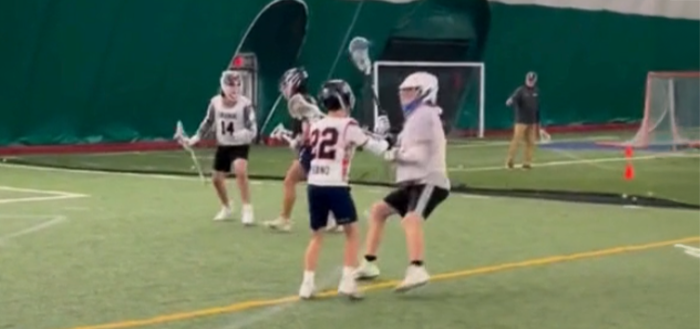
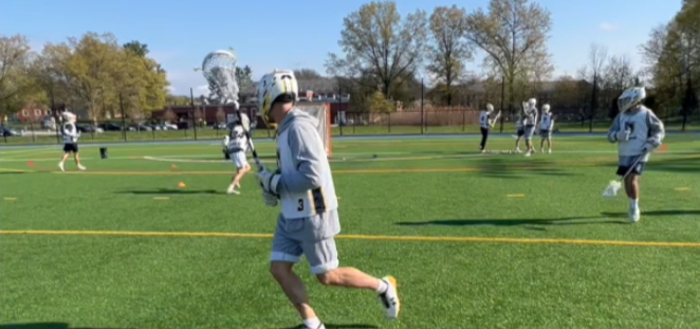
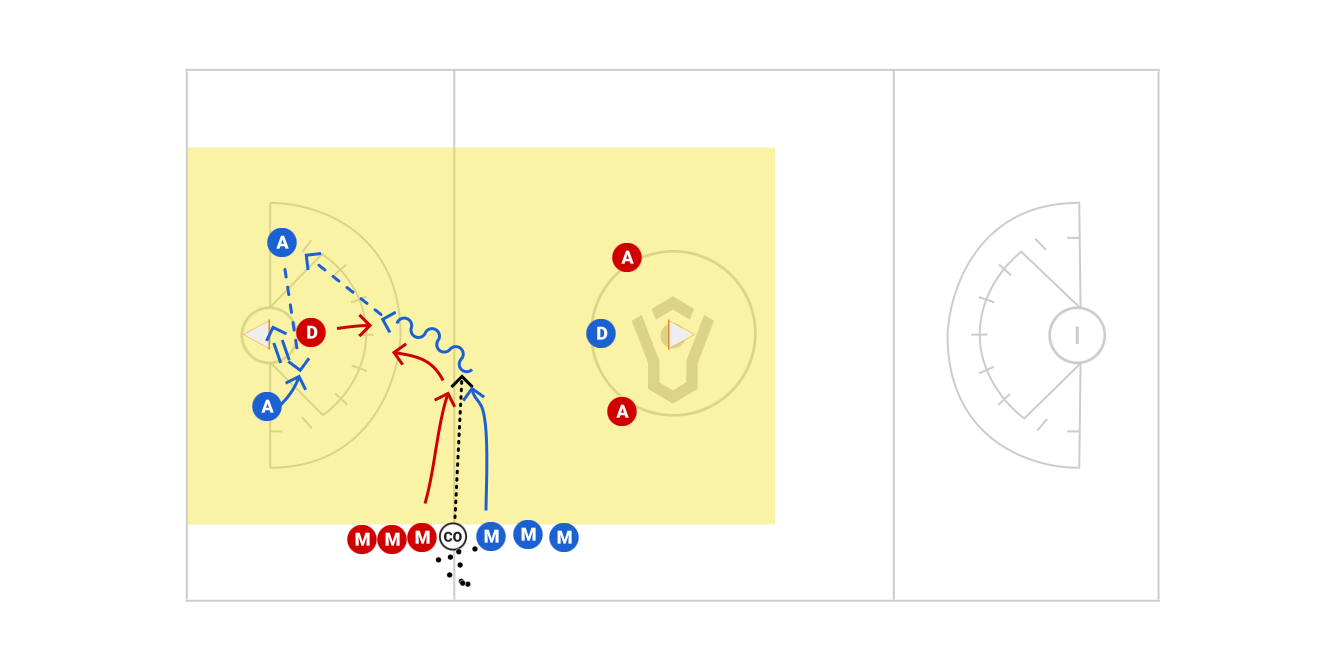
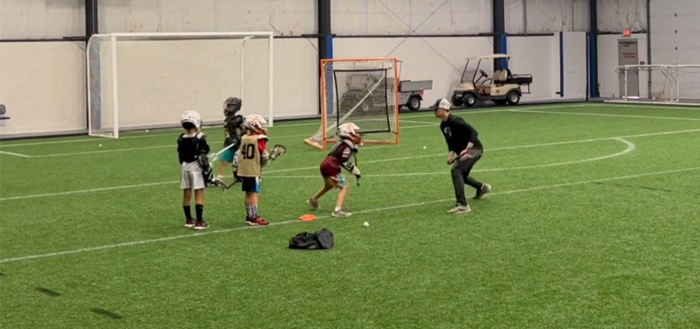
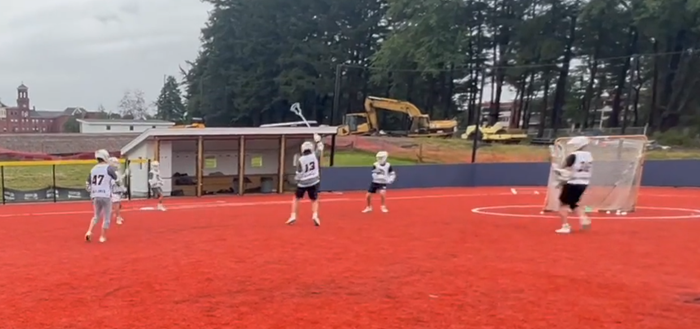
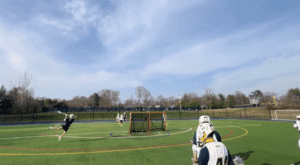
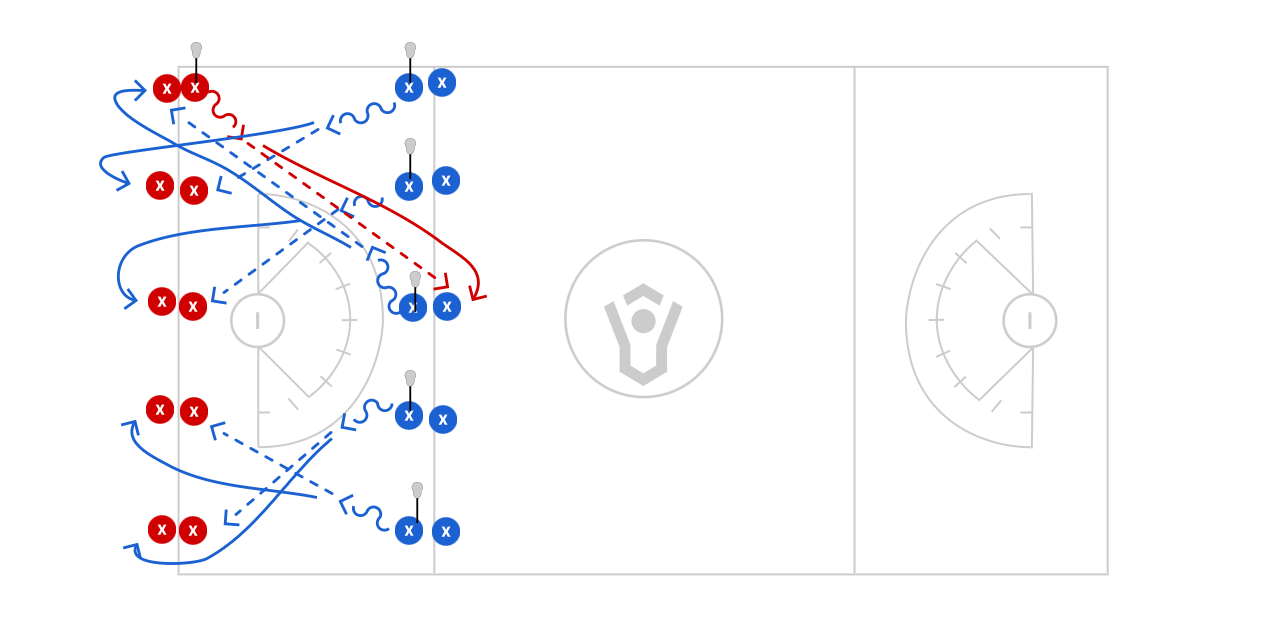
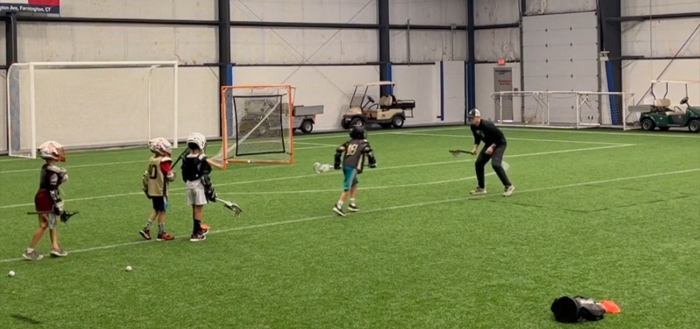
The best lacrosse attack drills for scoring consistency train balanced footwork, quick decision-making, and finishing from realistic angles. Attack players often miss chances because their feet and hands are not connected at game speed. Focus on drills that require a catch, a quick move, and a shot with proper body control. When you pair attack work with lacrosse shooting drills, you build repeatable mechanics that hold up under pressure.
Consistency also improves when attackers learn when not to shoot. Drills that force a pass first and then create a second advantage teach patience and help players recognize better looks. Developing anticipation and recognition makes it easier to see slides early and finish before help arrives.
Feeding improves when attackers keep their eyes up and deliver passes to space, not just to a teammate’s stick. Many turnovers happen because players wait too long and throw late passes after the defense has recovered. Use attack drills that require quick reads, one more ball movement, and accurate delivery to cutters. The mechanics still matter too, so regular work with passing drills helps your feeds stay sharp in tight windows.
A helpful mindset is to treat every dodge as a passing opportunity first. If the defense slides, your job is to move it on time. If they do not slide, you finish. Attack drills that train this read help players become more reliable playmakers and reduce forced shots.
Off-ball movement works best when it has purpose and timing. Instead of drifting, attackers should cut hard, clear through, and re-space so teammates have room to dodge. Off-ball success often comes from reading defenders’ heads and hips, then moving at the moment the ball carrier creates pressure. Players who train lacrosse IQ develop better feel for when to cut, when to fill, and when to stay patient.
Off-ball movement also requires stick readiness. If your stick is not ready to catch and move it quickly, the advantage disappears. Pairing attack movement work with clean passing reps helps attackers execute fast catches, quick transfers, and immediate decisions.
Dodging improves when players focus on footwork, body positioning, and getting to a specific spot, not just trying to beat a defender with speed. A strong dodge usually includes a setup, a change of direction, and a finish or feed at the right moment. Training your footwork builds the base for quicker plant steps and better balance during contact.
Dodging also gets easier when you have an escape plan. If the defender wins the angle, you need a counter move or a reset option. Practicing dodging and escapes helps attackers protect the stick, maintain possession, and create a second advantage rather than forcing a low quality shot.