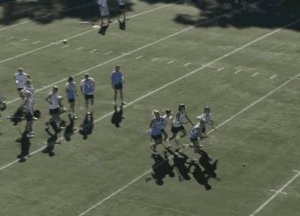
Ground balls are loose balls on the field that are not currently controlled by either team. They can appear after a missed shot, a bad pass, or a faceoff. Winning these balls is essential because it directly impacts possession, which is crucial in lacrosse. The team that controls more ground balls can dictate the pace of the game, create more scoring opportunities, and prevent opponents from gaining momentum. Practicing ground ball skills improves reaction time, hand-eye coordination, and overall game awareness.
The proper technique starts with a low, balanced stance and keeping your stick close to the ground. Your hands should be spaced correctly to maximize leverage, and your body should shield the ball once scooped. Beyond stance and stick positioning, mental awareness is key. Anticipate where the ball might bounce, watch your opponents, and focus on cleanly lifting the ball while maintaining control. Practicing these skills daily with drills like the Ground Ball Rodeo or Hot Potato Game builds muscle memory and confidence in live game situations.
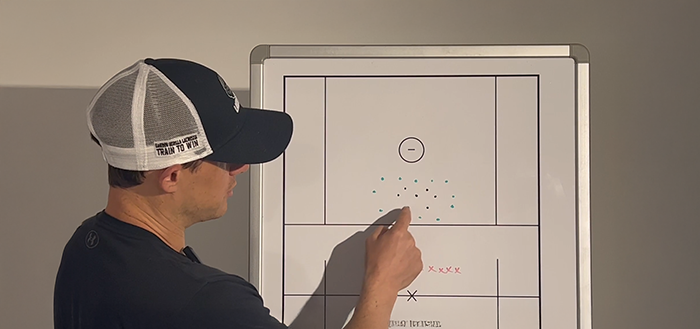
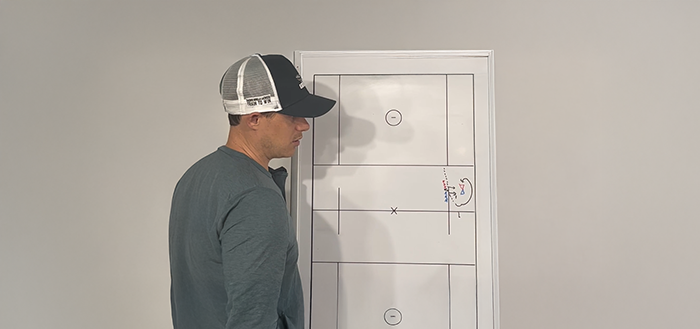
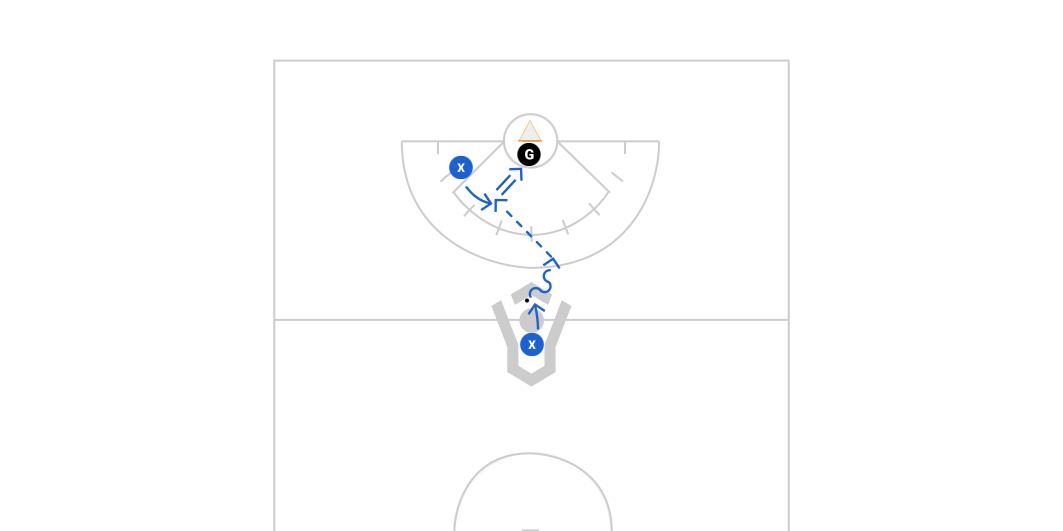
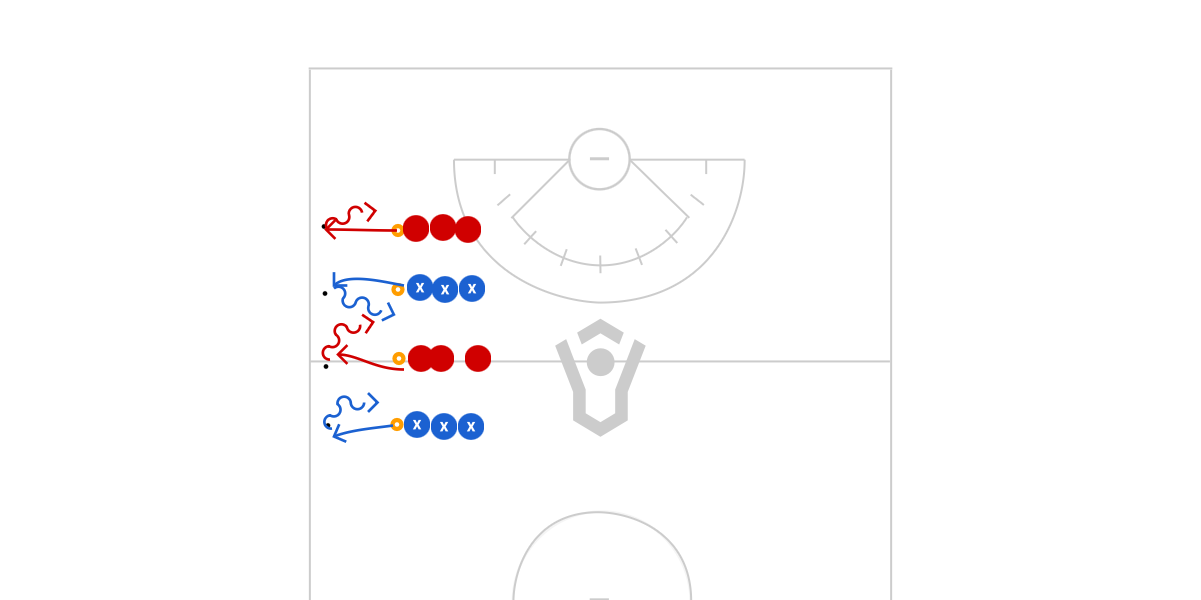
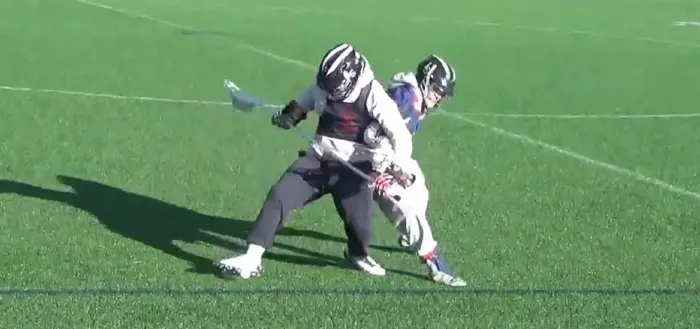
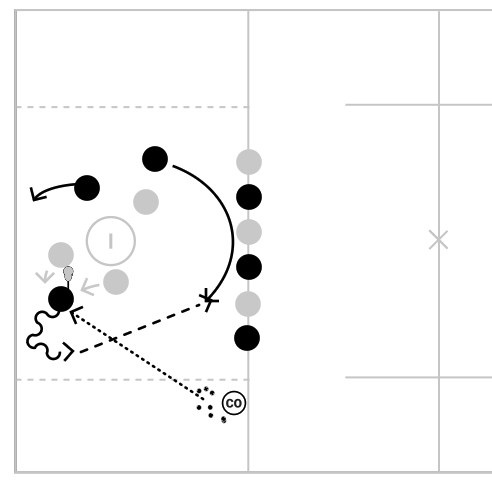
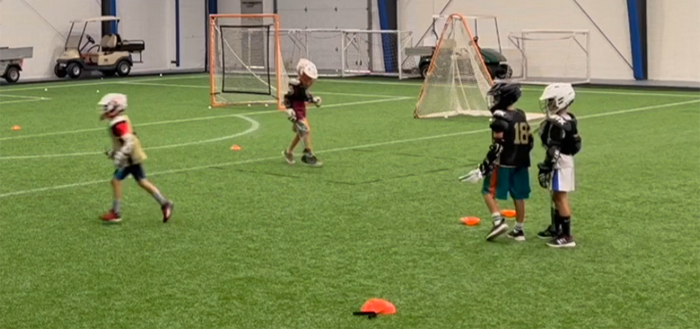
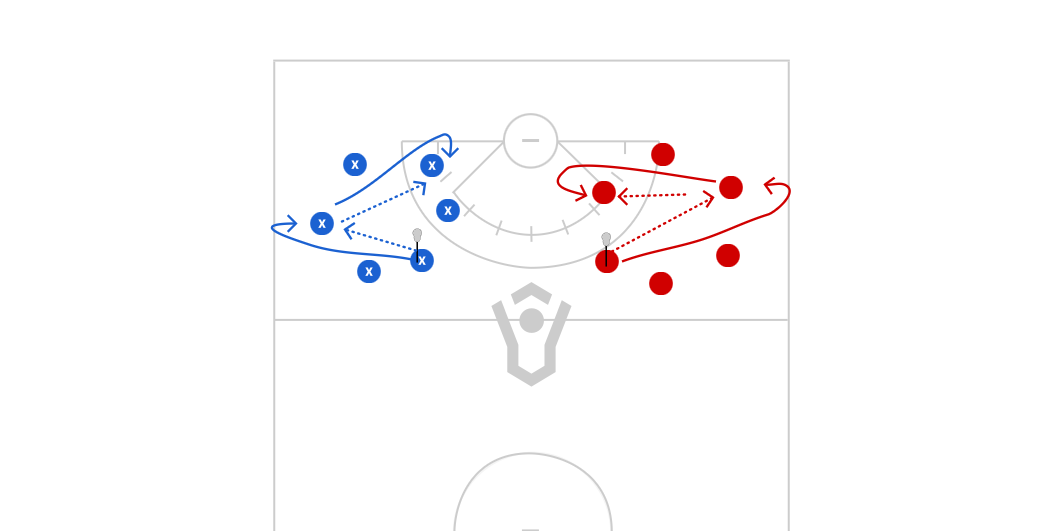
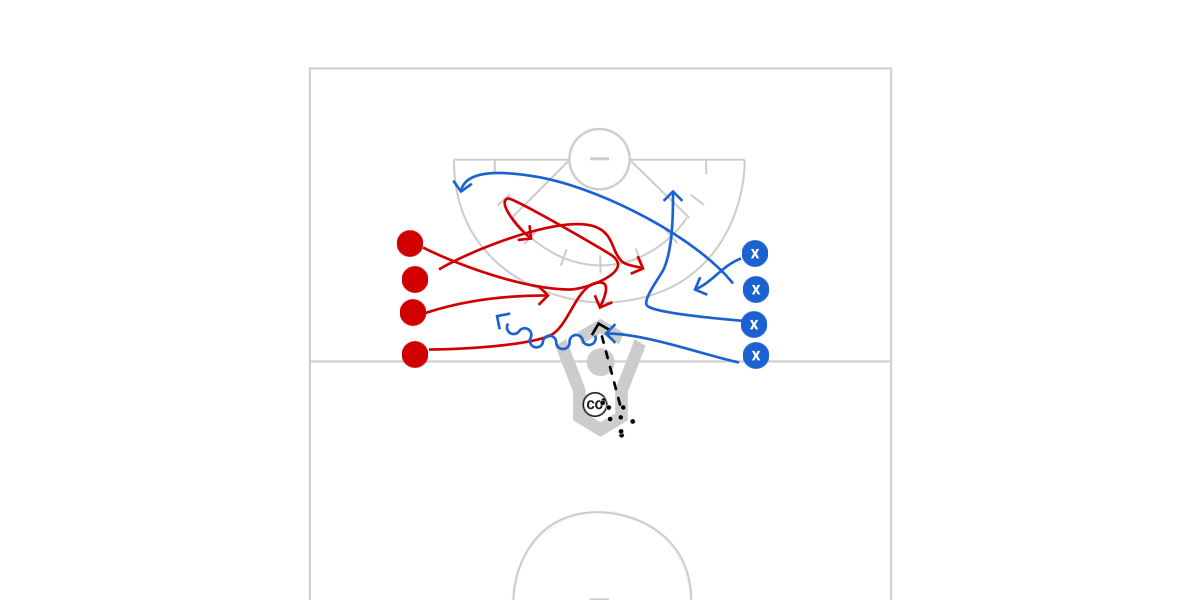
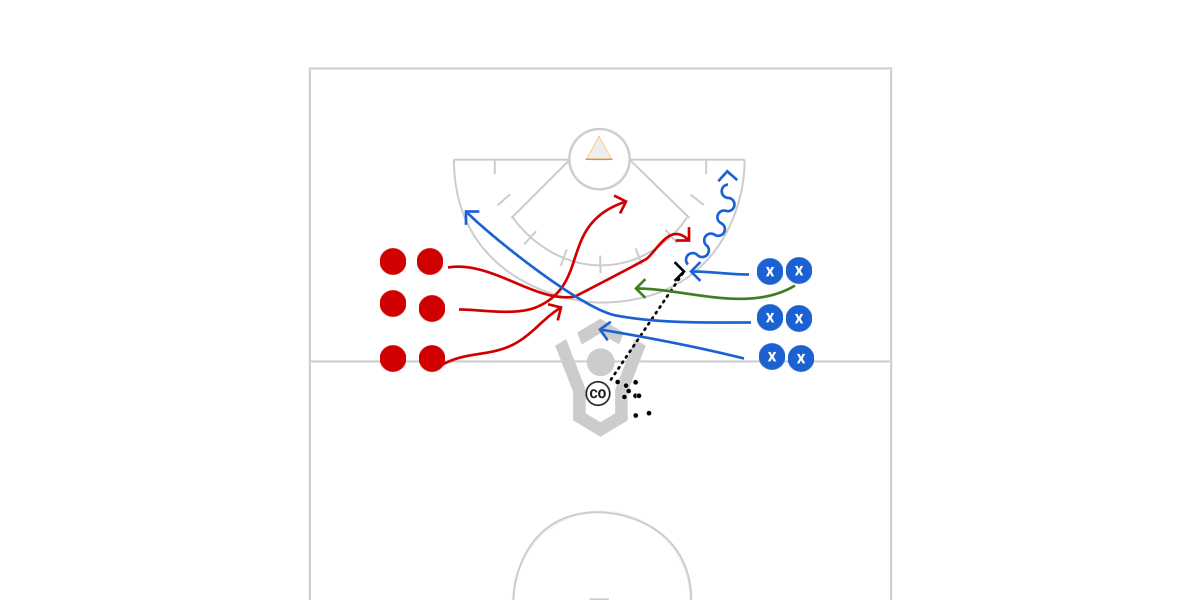
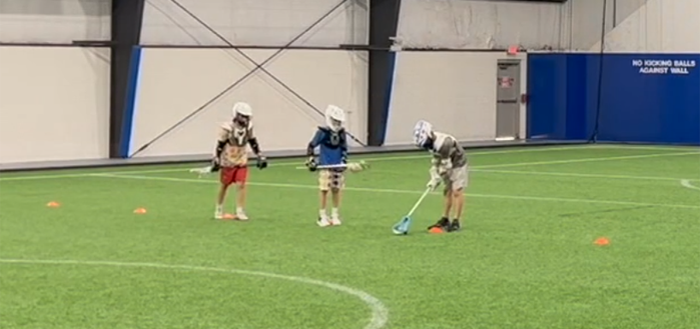
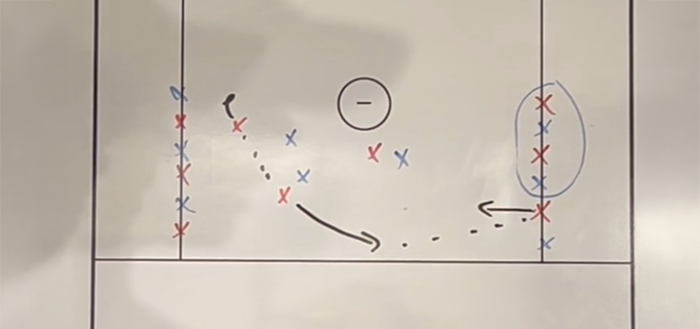
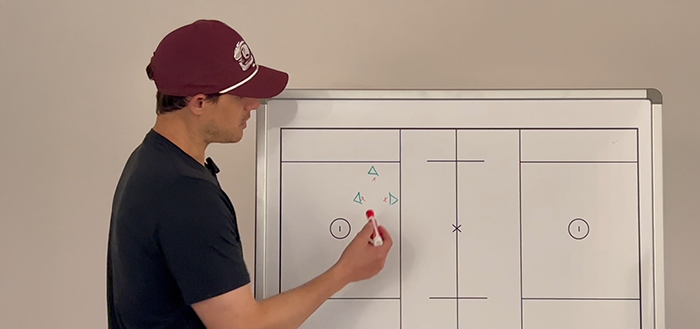
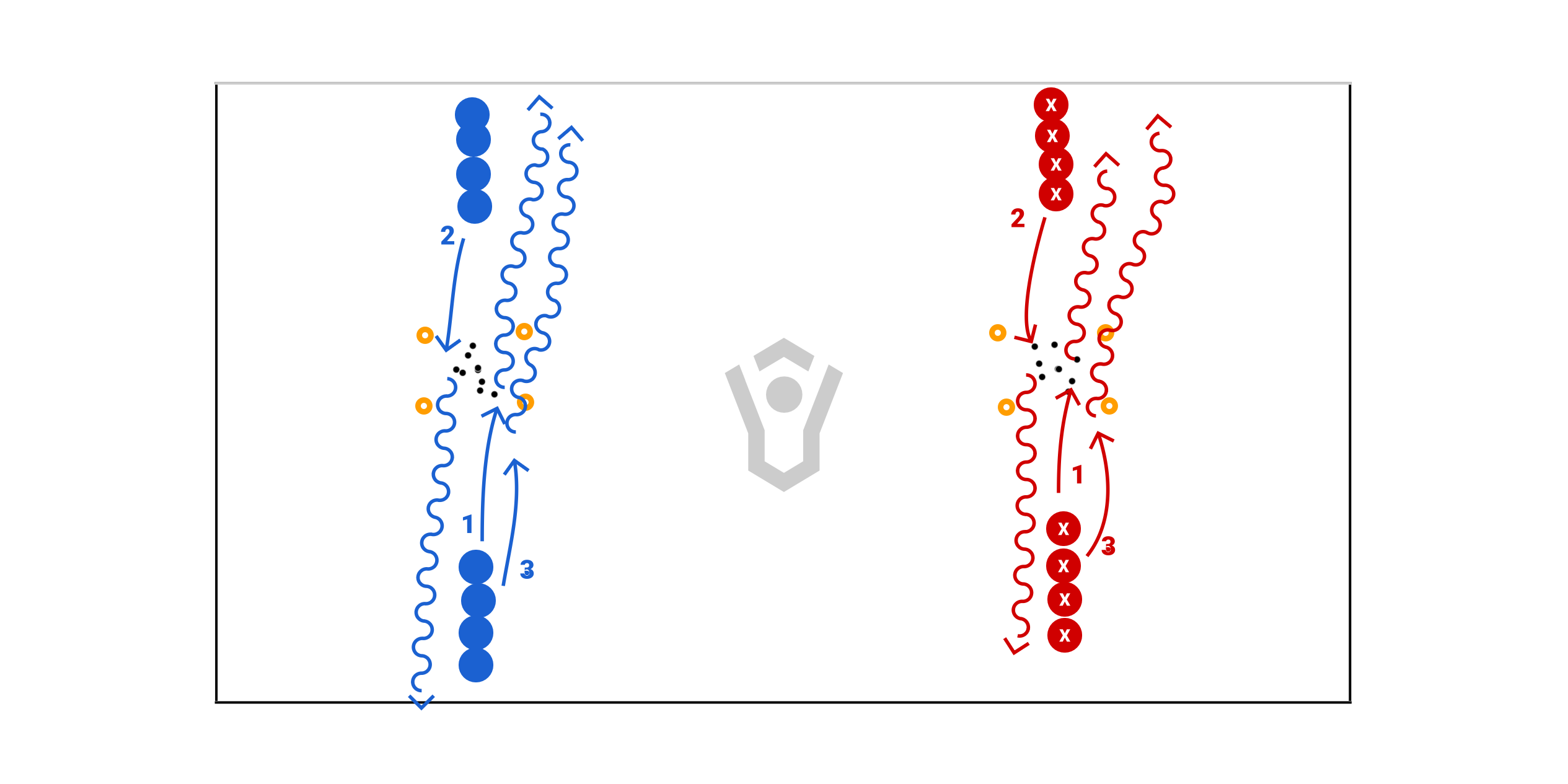
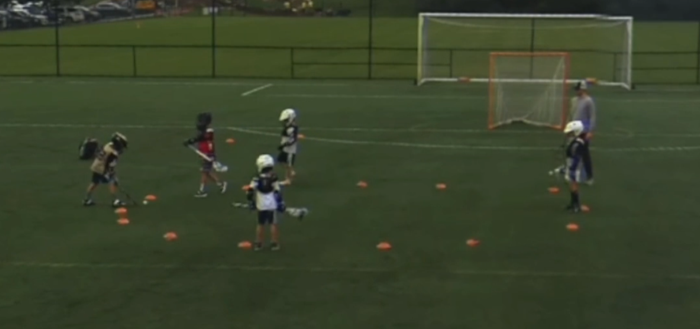
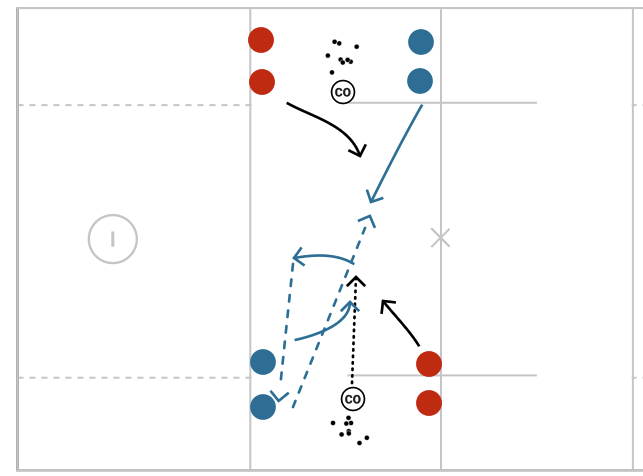
Several drills help players become more efficient at ground ball play. The Ground Ball Rodeo simulates chaotic situations, teaching players to fight through defenders and maintain control. The Hot Potato Game develops speed and quick decision-making under pressure. Diamond Keep Away improves passing accuracy while under defensive pressure, and Ground Balls to the Sideline emphasizes clearing the ball efficiently during play. Incorporating these drills regularly will improve reaction time, ball handling, and overall field awareness.
Ground balls often involve physical contact, chaos, and unpredictability. Mental toughness is as important as physical technique. Staying aggressive, confident, and focused allows you to commit fully to each ground ball battle. Accept that you may occasionally lose a battle, learn from it, and immediately refocus. Players with strong mental resilience can maintain possession in high-pressure situations and support teammates by staying composed when the game becomes hectic.
Common mistakes include approaching the ball too upright, neglecting stick positioning, or failing to protect the ball once scooped. Avoid guessing the bounce without observing the ball’s movement and don’t hesitate to use your body to shield the ball from defenders. Another error is poor communication; letting teammates know your intentions can prevent collisions and turnovers. Focusing on technique, positioning, and situational awareness helps reduce these mistakes and increases the chance of successful ground ball plays.
Teams that consistently win ground balls gain more possessions, allowing them to implement offensive strategies effectively. It reduces pressure on the defense and creates more opportunities to score. Ground ball dominance also disrupts opponents’ rhythm, forcing them to adjust and sometimes make mistakes. Coaches often track ground ball stats to measure a player’s contribution to team success. Players who excel in this area often become leaders on the field because their efforts directly affect game outcomes.
While winning ground balls is challenging, beginners can improve quickly with proper guidance and consistent practice. Start with fundamental drills focusing on stance, stick positioning, and reaction time. As skills develop, introduce more complex drills that simulate in-game chaos. Even new players can see noticeable improvement within weeks if they focus on technique, practice regularly, and maintain mental toughness. Advanced players refine timing, anticipation, and body positioning to dominate ground ball battles consistently.