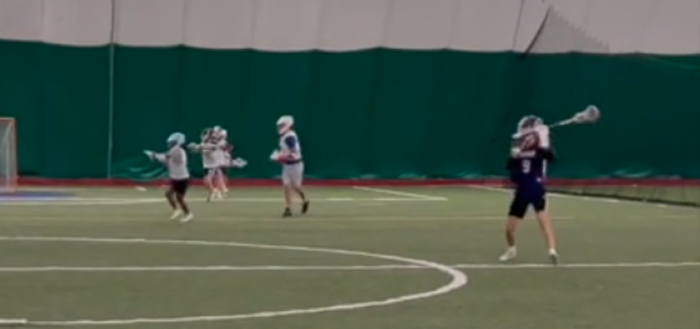
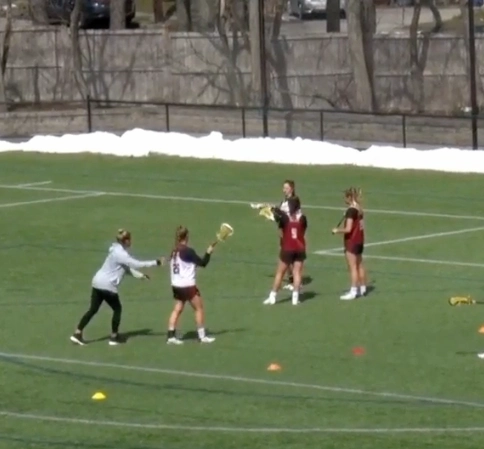
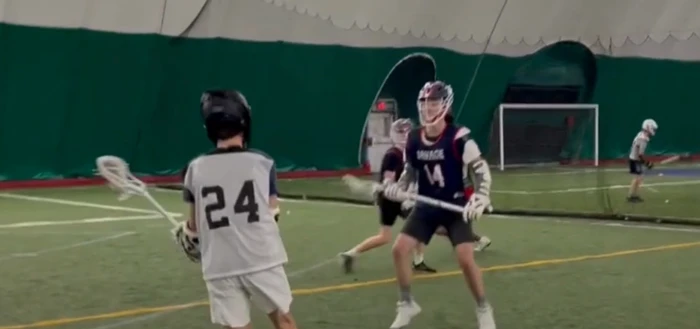
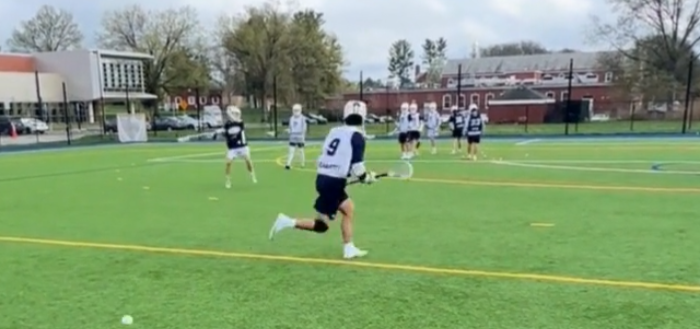
Stick control is a critical lacrosse skill, even when the ball is not in your stick. Players who master off-ball stick control improve their ability to disrupt passes, create defensive pressure, and stay ready to receive the ball on offense. Strong lacrosse stick handling without the ball helps players maintain proper spacing, anticipate plays, and react quickly in both offensive and defensive situations.
Off-ball play often determines the success of a possession. Defenders rely on proper stick positioning to take away passing lanes and contest shots, while offensive players use stick control to stay prepared for quick catches and scoring opportunities. When players neglect stick control without the ball, they become reactive instead of proactive. Maintaining an active, disciplined stick position allows players to influence the game even when they are not directly involved in the play.
Defensively, strong stick control helps players stay connected to the play by closing passing lanes and applying pressure without overcommitting.
Offensively, players with good lacrosse stick handling stay ready to catch and move the ball quickly, keeping the defense from recovering.
Defensive positioning is a major component of off-ball stick control. Players should keep their stick active and in passing lanes, using techniques taught in
defensive stickwork to disrupt ball movement without chasing.
Anticipation plays a significant role in effective stick control. Reading offensive movement and understanding where the ball is likely to go allows players to react early. Drills that develop
anticipation and recognition help players position their stick with purpose rather than guessing.
Offensive spacing depends heavily on off-ball stick readiness. Keeping the stick up and prepared allows players to receive passes cleanly and move the ball immediately, reducing turnovers and improving offensive flow.
Proper grip and hand placement ensure smooth transitions between catching, passing, and shooting. Even without the ball, maintaining correct hand positioning improves reaction speed and overall lacrosse stick handling.
Developing off-ball stick control requires repetition in realistic scenarios. Players should practice drills that emphasize movement, positioning, and decision making rather than focusing only on ball handling. Training without the ball sharpens awareness and helps players contribute consistently throughout a possession.
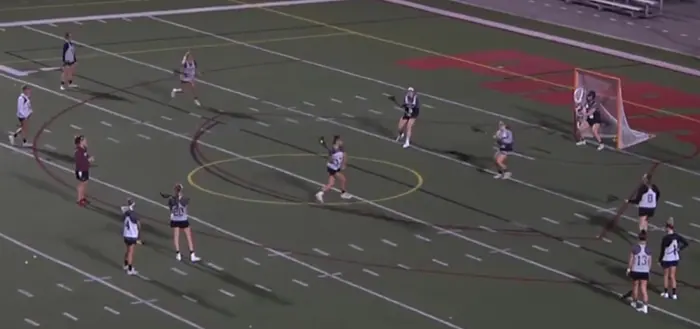
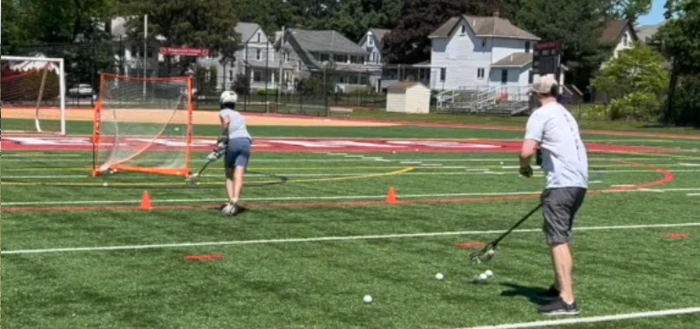
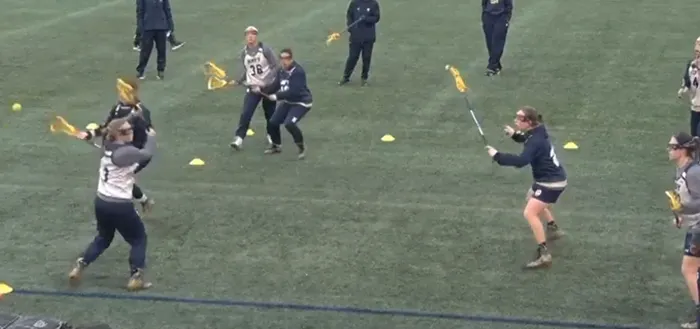
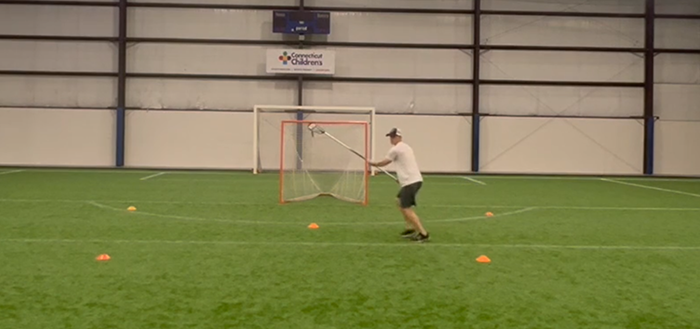
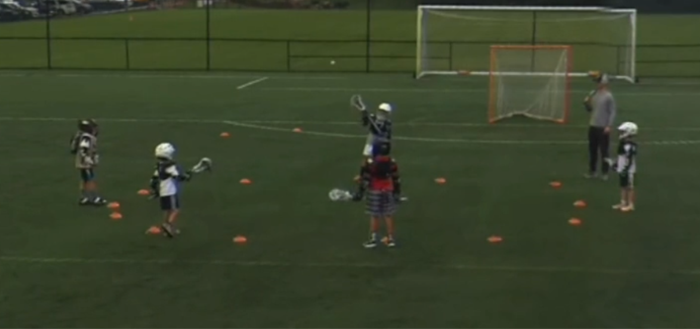
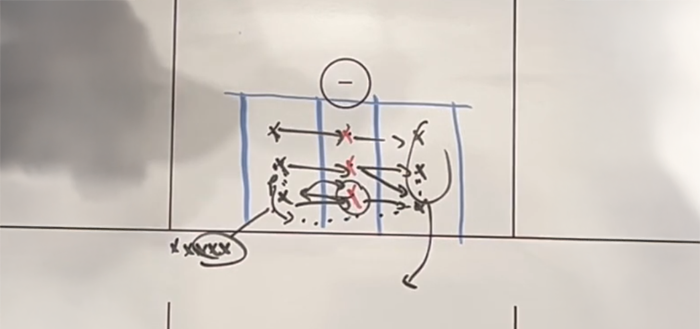
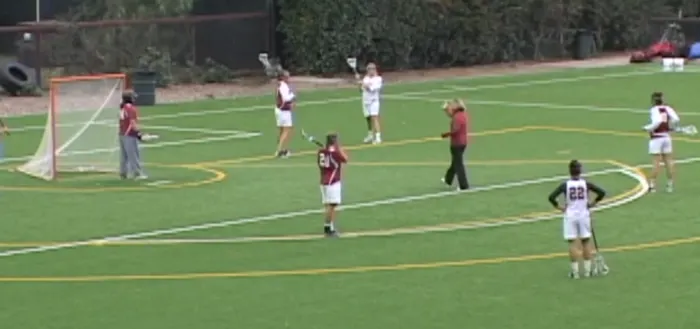
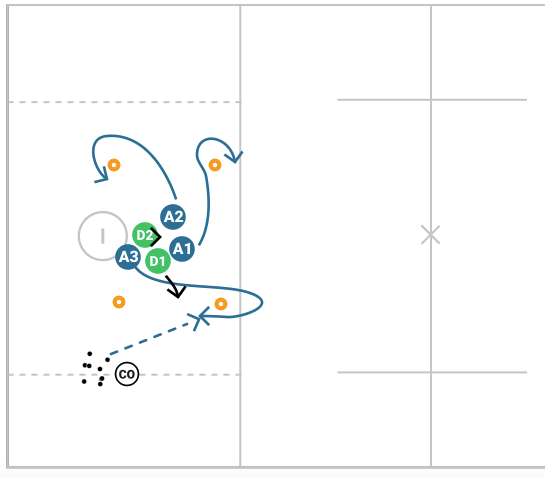
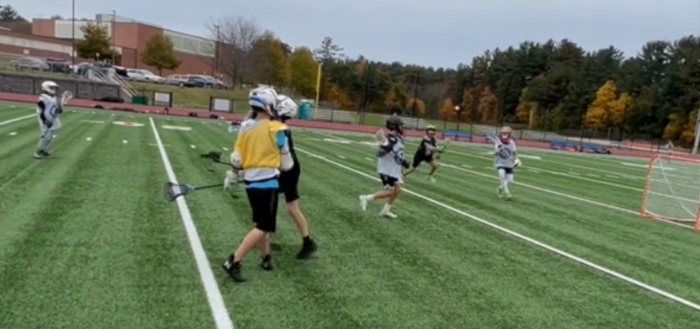
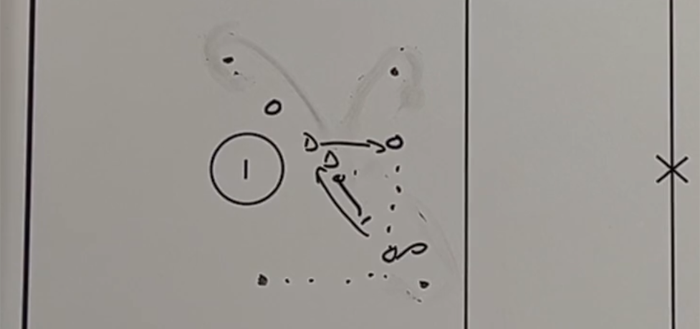
This drill reinforces offensive off-ball movement and stick readiness. Players focus on cutting with timing and maintaining control as they prepare to receive the ball and finish quickly.
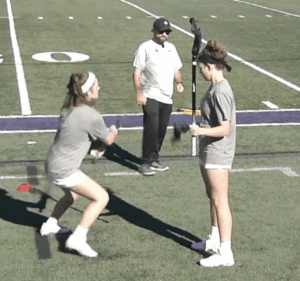
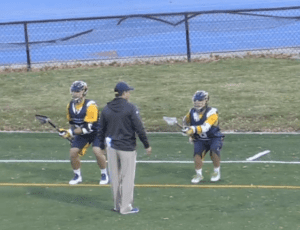
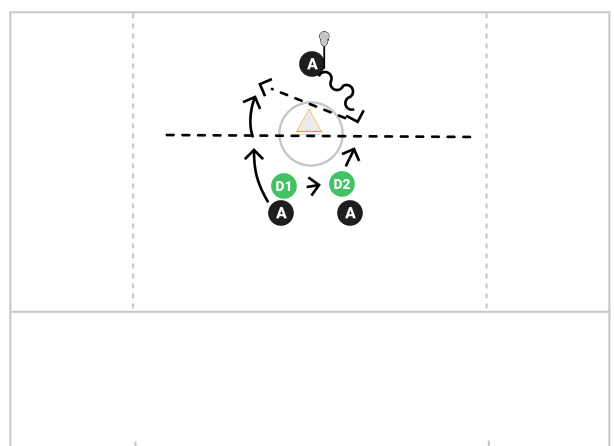
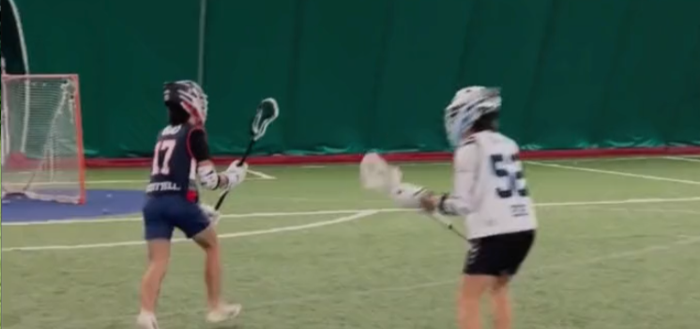
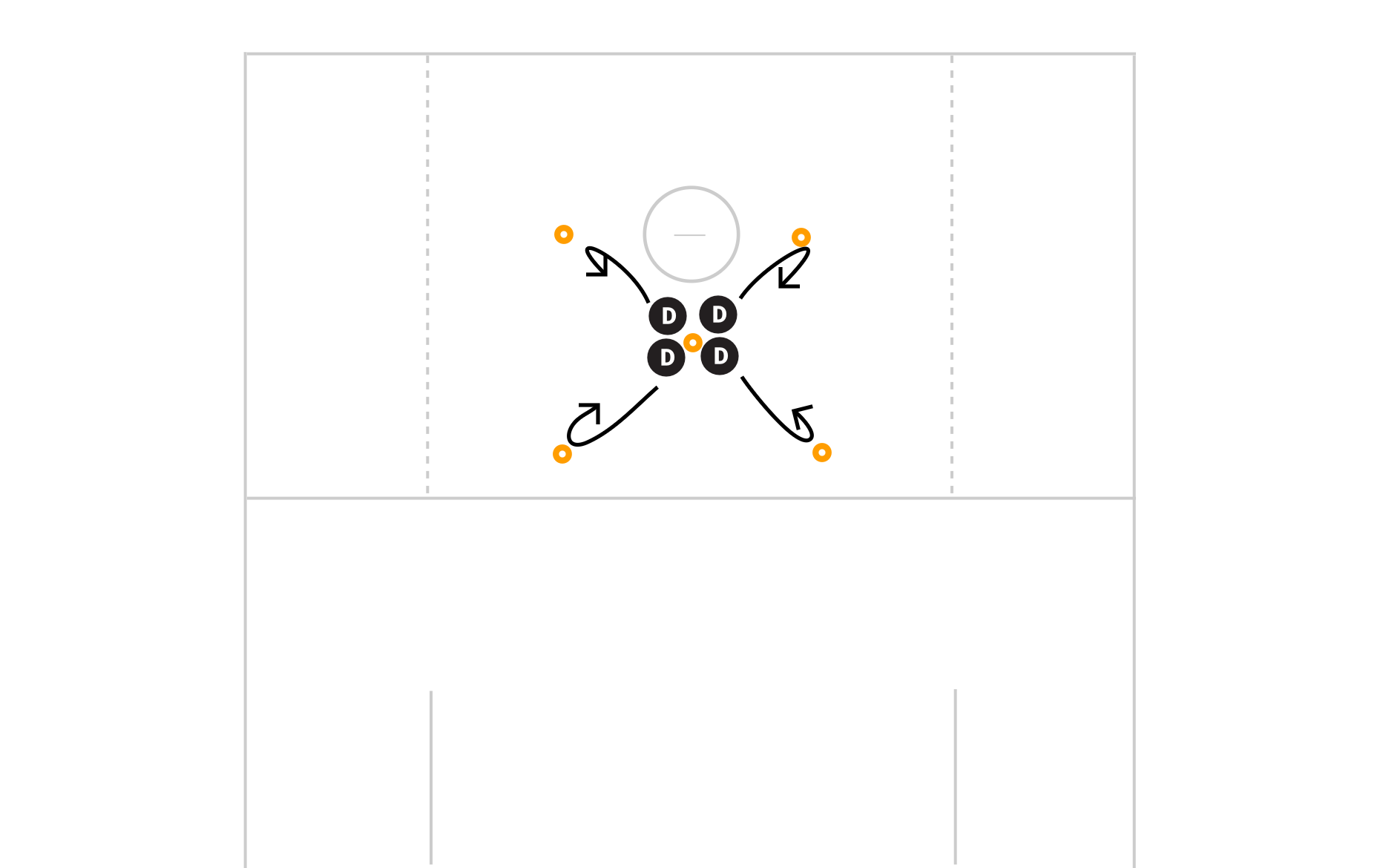
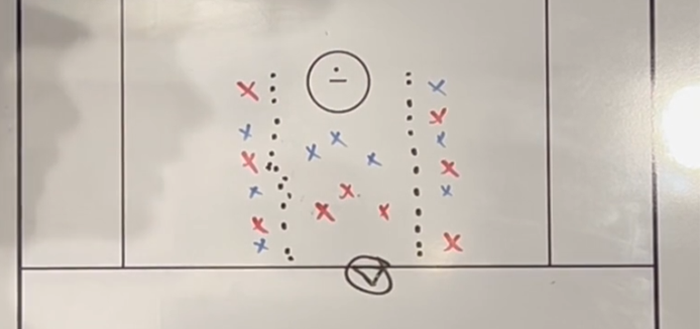
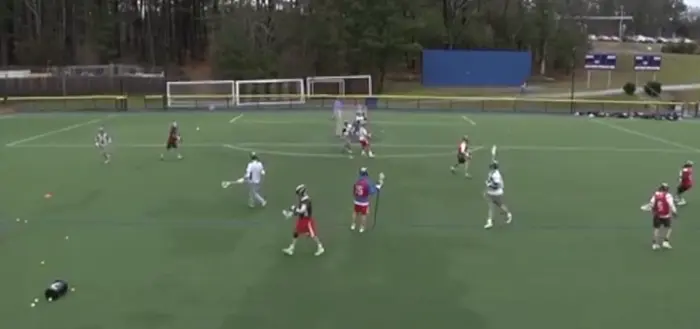
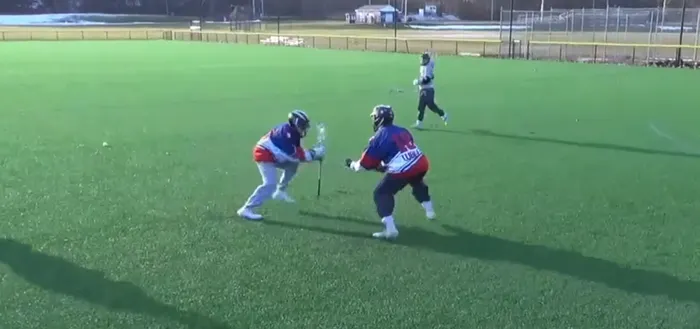
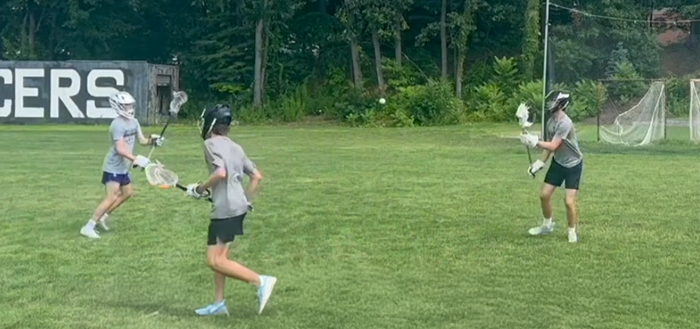
This drill emphasizes defensive angles, footwork, and stick positioning. Players work on closing space while keeping their stick active in passing lanes.
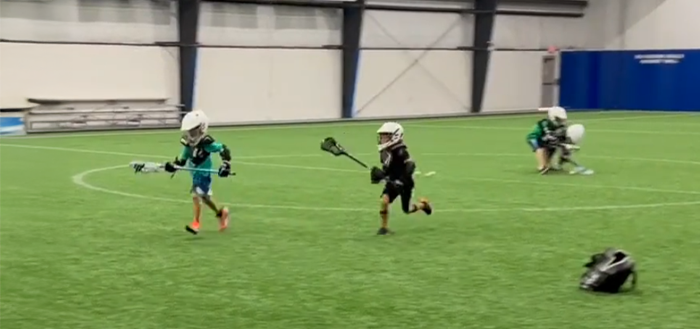
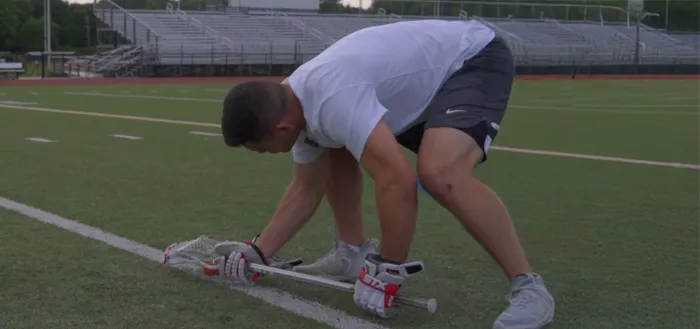
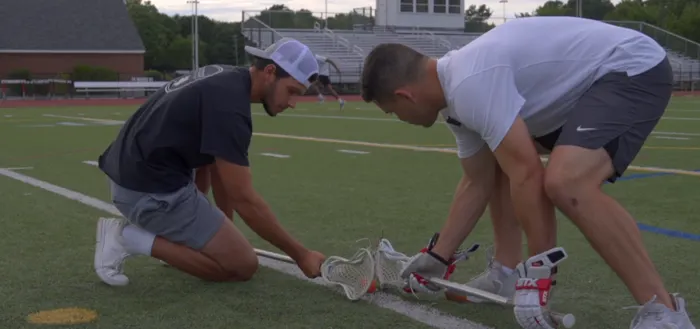
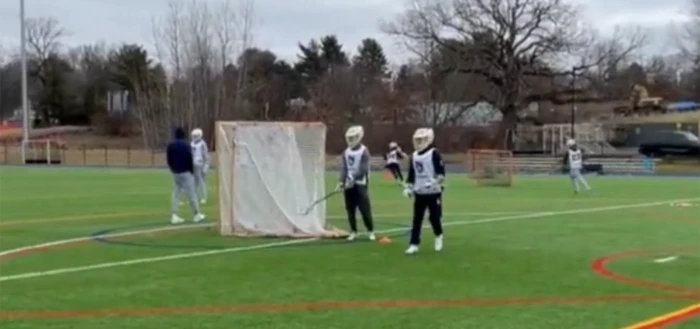
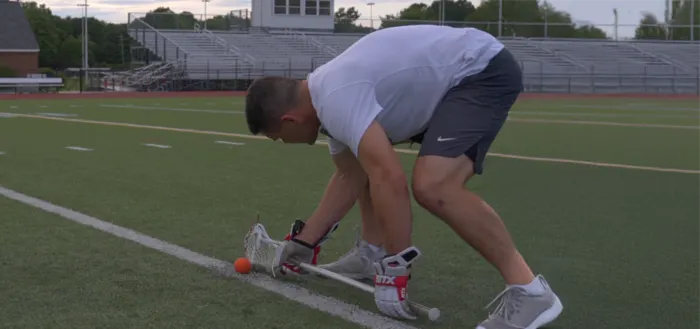
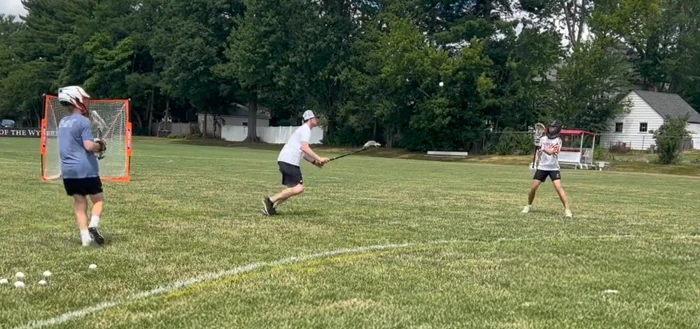
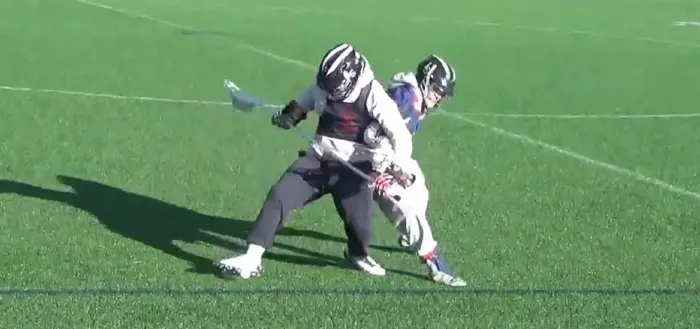
This drill develops strength and control in contested situations, reinforcing stick discipline and quick reactions during loose ball battles.
Stick control without the ball is a defining skill for high-level lacrosse players. Whether disrupting passes on defense or preparing to receive the ball on offense, strong lacrosse stick handling improves consistency and awareness. By focusing on positioning, anticipation, and readiness, players become more reliable contributors and make a greater impact across every phase of the game.
Stick control without the ball allows players to influence the game even when they are not directly involved in the play. Defenders can disrupt passing lanes and apply pressure, while offensive players stay ready to receive the ball and keep the offense moving. Strong off-ball lacrosse stick handling improves consistency and reduces reaction time.
Defensive stick control helps players stay connected to their assignment without overcommitting. By using techniques from
defensive stickwork, defenders can intercept passes, contest shots, and force offenses into lower-quality opportunities.
Anticipation allows players to position their stick before the ball arrives. When combined with
anticipation and recognition training, players react earlier and make cleaner plays instead of chasing after the ball.
Offensive players improve off-ball stick control by staying balanced, keeping their stick ready, and maintaining proper spacing. Practicing movement-based drills that emphasize timing and awareness helps players receive passes cleanly and make faster decisions once the ball arrives.